







More Than Just a Compost Bin
When you hear “zero-waste,” it’s easy to picture a kitchen diligently sorting scraps into compost and recycling. While that’s part of it, the true zero-waste ethos is a radical rethinking of the entire culinary supply chain. It’s a philosophy that sees
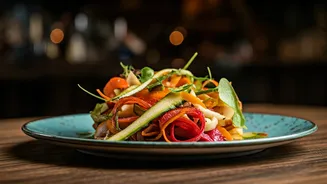
potential in every part of an ingredient, from root to leaf and nose to tail. Think carrot-top pesto, mushroom stems simmered into a deeply savory broth, or citrus peels transformed into oleo-saccharum, a sugary syrup that becomes the star of a craft cocktail. This isn't about scarcity; it's about ingenuity. Chefs at the forefront of this movement are not just cooks but full-circle artisans, challenging themselves to create abundance from what was once considered trash. The goal is ambitious: to send absolutely nothing to a landfill.
The Pioneers of Conscientious Cooking
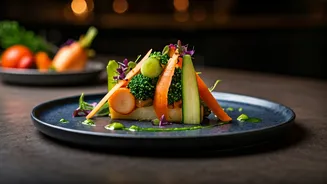
While Europe has seen high-profile examples like Douglas McMaster’s Silo in London, the movement is firmly taking root in the U.S. In Brooklyn, Rhodora Wine Bar made waves by billing itself as the country's first “zero-waste” wine bar. Every detail was considered, from sourcing wine in kegs to reduce glass bottle waste to using a high-tech composter that turns food scraps into soil for local farms overnight. Their plates featured dishes built around ingredients that are often overlooked—like fish collars or cheese rinds—transformed into something delicious. Across the country, chefs are adopting similar principles, even if they don't fly the “zero-waste” banner. They're working directly with farmers to use “ugly” produce that would otherwise be discarded and designing menus that flex daily based on what’s available, ensuring every last bit is honored on the plate.
Why Younger Diners Are All In
This trend isn't happening in a vacuum. It’s being fueled by a demographic that consistently puts its money where its values are: Millennials and Gen Z. For these generations, sustainability isn't a buzzword; it's a baseline expectation. They grew up in an era of climate anxiety and are acutely aware of the environmental impact of their choices. A restaurant that demonstrates a genuine commitment to reducing its footprint isn't just a novelty—it's a destination. This isn’t about performative activism; it’s about aligning their spending with their worldview. They’ll happily pay a premium for a meal that is not only delicious and Instagrammable, but also tells a story of ethical sourcing and environmental responsibility. In a crowded marketplace, a zero-waste philosophy has become a powerful differentiator, signaling a depth of purpose that resonates far beyond the menu.
An Ethos That Extends Beyond the Plate
The most committed zero-waste restaurants apply their philosophy to the entire dining experience. You won’t find paper menus; you’ll scan a QR code. The furniture might be crafted from reclaimed wood, and the napkins are, of course, cloth. Single-use plastics are completely eliminated, from straws to cling wrap. Even the décor has a purpose, with some restaurants growing their own herbs in vertical gardens that double as living art installations. This holistic approach creates a powerful and immersive experience. It communicates to the diner that their choice to eat here is part of a larger, positive cycle. The meal becomes more than just food; it’s participation in a system designed for a healthier planet, proving that luxury and responsibility don't have to be mutually exclusive.