
Beyond the Restaurant Menu
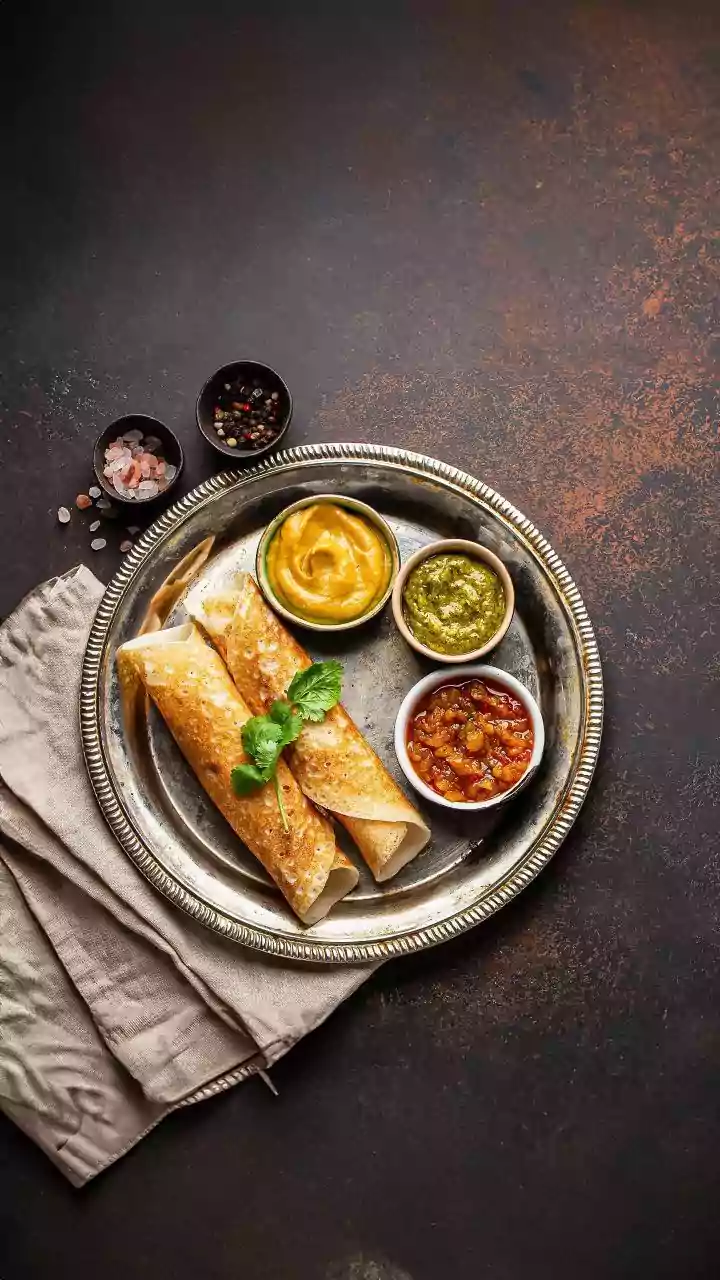
For decades, the mainstream American understanding of Indian food has been largely defined by restaurant menus: chicken tikka masala, naan, and maybe a samosa appetizer. But that’s like judging American cuisine solely on steakhouse fare. The real, everyday
heartbeat of Indian food culture is found in its snacks, known collectively as *namkeen* (savory) or *chaat* (a category of savory street snacks). These aren't just appetizers; they are a fundamental part of daily life, enjoyed with afternoon tea, during a movie, or as a quick bite on a busy street. They represent a vast and regionally diverse world of flavor—crunchy, crispy, fried, baked, sweet, spicy, and tangy—often all in the same mouthful.
The Flavor Profile You're Missing
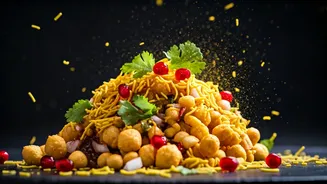
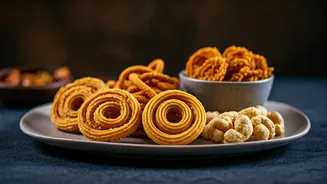
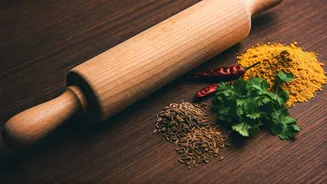
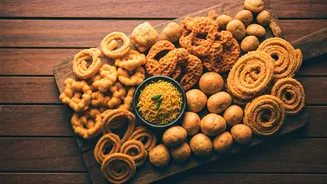
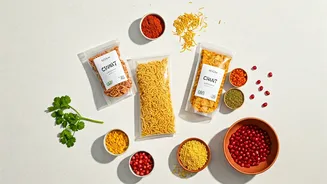
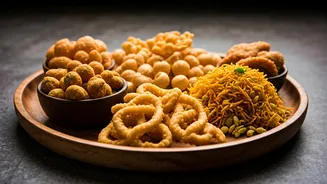
What makes these snacks so compelling? It’s the complexity. While a standard American chip might alternate between salt, cheese, or barbecue, Indian snacks are a masterclass in layering tastes and textures. A single bite of *bhel puri*, a popular street snack, delivers the crunch of puffed rice and fried noodles (*sev*), the soft bite of potatoes and chickpeas, the sweetness of tamarind chutney, the heat of green chili chutney, and the tangy punch of *chaat masala*—a signature spice blend containing things like dried mango powder (*amchur*), black salt, and cumin. Snacks like *chakli* (a spiral-shaped, crunchy snack made from rice flour) or *mathri* (a flaky, savory biscuit) offer a satisfying crunch that’s miles away from a simple cracker. It's a full-sensory experience that makes other snacks feel, well, a little one-dimensional.
The Diaspora Drives the Demand
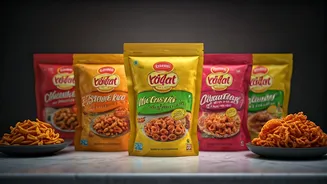
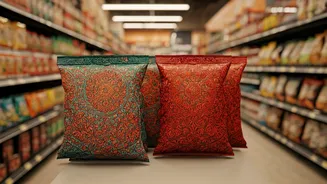
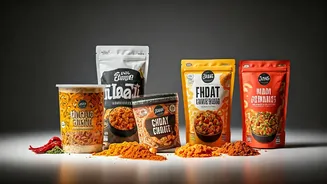
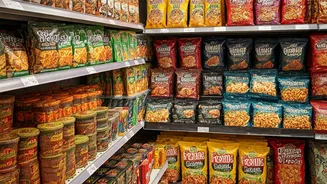
So, why the sudden buzz? A huge part of the trend is being driven by second- and third-generation Indian Americans. For years, accessing authentic-tasting snacks meant a trip to a specialty Indian grocery store, often with packaging and branding that felt dated. Now, a new wave of entrepreneurs is reclaiming these flavors and presenting them in a modern context. Brands with slick packaging, clean ingredient lists, and a strong online presence are popping up, founded by people who grew up with these snacks and want to share them with a wider audience. They are not just selling a product; they are selling nostalgia, cultural pride, and a piece of their heritage, perfectly positioned for the modern, globally-curious consumer.
From Niche Grocer to TikTok Famous
Social media has acted as a massive accelerant. On platforms like TikTok and Instagram, creators are demystifying Indian cuisine one snack at a time. You’ll find videos of people unboxing care packages from relatives in India, taste-testing a dozen varieties of *sev*, or showing how to assemble the perfect plate of *pani puri* at home. These viral moments do more than just entertain; they educate a new generation of eaters and create authentic demand. When a creator with a million followers raves about the addictive quality of spicy *chivda* (a savory trail mix), it sends a powerful signal to both consumers and retailers that there's a market hungry for more.
Your Starter Pack for Indian Snacking
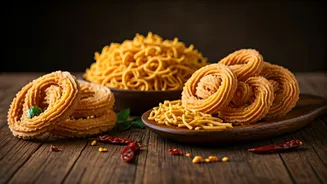
Feeling ready to dive in? Don't just grab the first colorful bag you see. Look for these classics to start your journey: - **Murukku/Chakli:** A crunchy, savory spiral made from rice and lentil flour. Incredibly satisfying and often spiced with sesame or cumin seeds. - **Bhel Puri Mix:** All the dry ingredients you need for the famous puffed rice salad. Just add chopped onions, potatoes, and chutney for an instant street-food experience. - **Sev:** Crispy, fried chickpea flour noodles. Comes in various thicknesses and spice levels. Essential as a topping for almost any *chaat*. - **Mathri:** A flaky, savory biscuit, sometimes flavored with carom seeds or black pepper. The perfect companion for a cup of chai. - **Gathiya:** A soft-yet-crunchy chickpea flour stick, often found in Gujarati cuisine. It has a unique texture that’s highly addictive.