




The Sun's Journey and a Resting Earth
Mithuna Sankranti marks a celestial event: the sun's transit into the zodiac sign of Mithuna, or Gemini. Occurring in mid-June, it heralds the onset of the monsoon season in many parts of India, a critical time for an agrarian society. But this festival
is more than just an astronomical marker. In states like Odisha, it coincides with a vibrant, three-day festival called Raja Parba, which is dedicated to Bhudevi, the Earth Goddess. The belief is that during this time, the earth menstruates and is given a period of rest before the intensive farming season begins. It’s a profound celebration of fertility, womanhood, and the planet's own need for rejuvenation.
A Festival of No-Plow, No-Cook
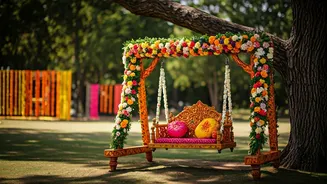
To honor the resting earth, all agricultural activities like plowing and sowing cease. This principle extends into the kitchen. Traditionally, to avoid 'injuring' the earth with fire, lighting a stove or cooking is avoided during the first days of Raja Parba. Instead, families prepare food in advance or consume uncooked dishes. Women take a break from household chores, spending their time on swings, playing games, and dressing in their finest attire. It’s a joyous festival that beautifully intertwines ecological respect with community celebration, where giving Mother Earth a break is the ultimate act of gratitude.
The Star of the Show: Poda Pitha
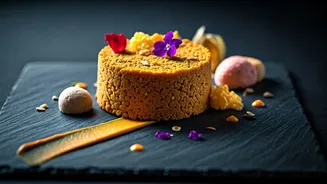
The most iconic dish of the festival is Poda Pitha, which translates to 'burnt cake.' This isn’t a mistake, but the entire point. Prepared on the day before the festival begins, a batter of ground rice, coconut, jaggery (a traditional unrefined sugar), and cardamom is wrapped in banana leaves and slow-cooked overnight in the embers of a clay hearth. The result is a dense, moist cake with a caramelized, smoky crust and a sweet, fragrant interior. It’s a perfect festival food: delicious, long-lasting, and requiring no active cooking during the celebration itself. It embodies the spirit of preparation and reverence.
Experiment 1: The 'Uncooked' Feast
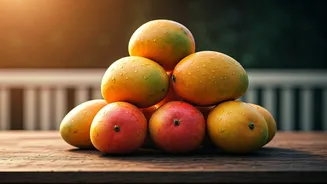
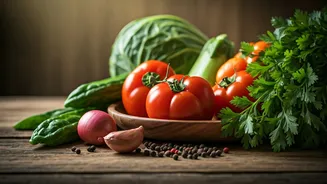
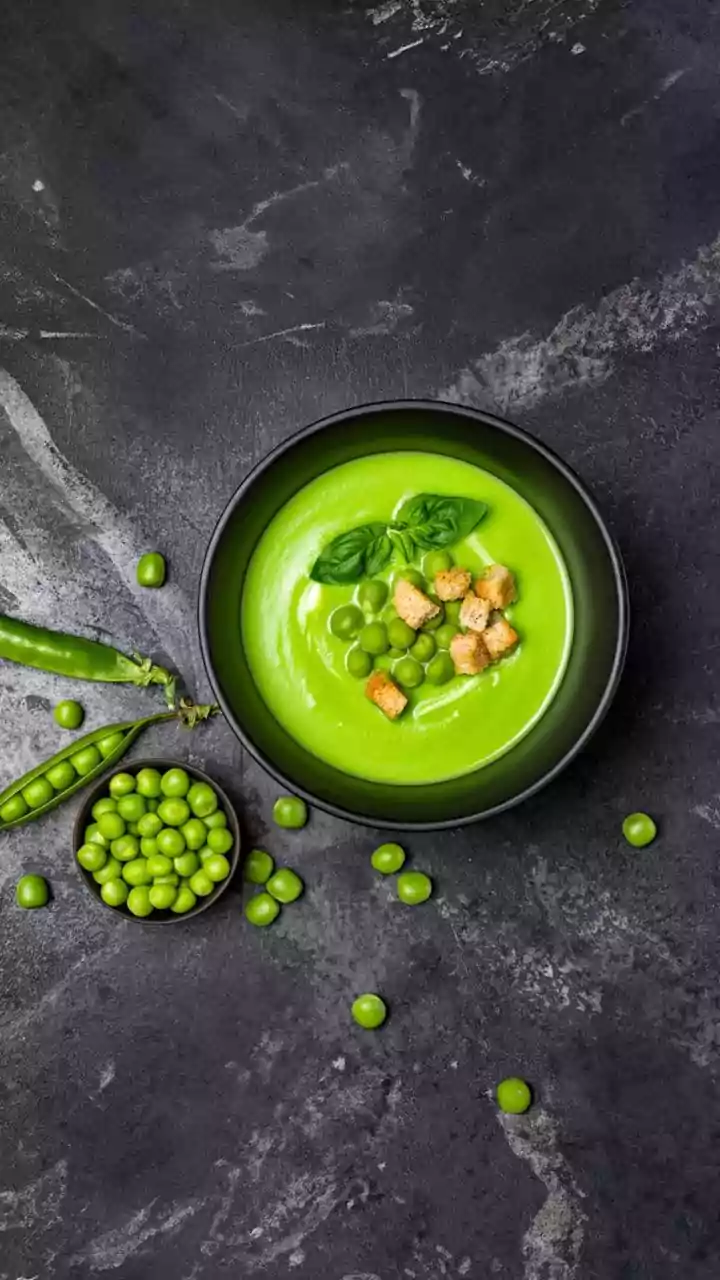
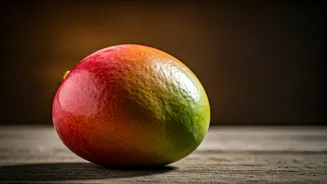
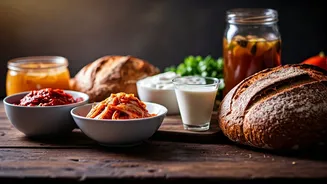
You can channel the 'no-cook' spirit of Mithuna Sankranti in your own kitchen. Think of it as a call to embrace the best of summer's raw bounty. Instead of firing up the stove, try creating a vibrant platter of uncooked delights. This could be a beautiful bowl of soaked oats or chia pudding prepared the night before, topped with fresh mangoes, berries, and nuts. Or, lean into savory with a crisp summer salad featuring seasonal vegetables like cucumber, tomatoes, and bell peppers, dressed in a simple lemon vinaigrette. Even a chilled soup like a classic Spanish gazpacho or a cucumber-avocado blend perfectly captures the essence of a refreshing, no-heat meal.
Experiment 2: The 'Burnt' Cake, Reimagined
While a traditional clay hearth might be out of reach, you can create your own version of Poda Pitha. The goal is slow heat and deep caramelization. A slow-cooker is your best friend here. Try a dense banana bread or a spiced apple cake recipe, but bake it in a parchment-lined slow cooker on low for 4-6 hours. The gentle, consistent heat will yield an incredibly moist cake with a deeply browned, flavorful crust that mimics the original. Alternatively, use a cast-iron skillet in your oven. Pour in a batter for a simple molasses or brown sugar-heavy cake and bake it at a lower temperature (around 300°F) for a longer period. The key is to embrace the dark, caramelized edges as a feature, not a flaw—a tribute to the 'burnt' cake that nourishes a festival.