
The Irresistible Rise of Linen
If one fabric could define the next wave of interior design, it’s linen. Once reserved for breezy summer clothing or high-end bedding, this ancient textile is now taking center stage across the entire home. You’ll see it in rumpled, inviting sofas, flowing
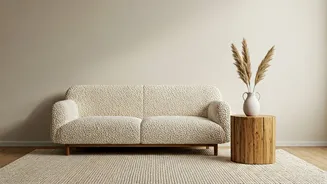
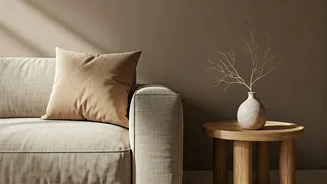
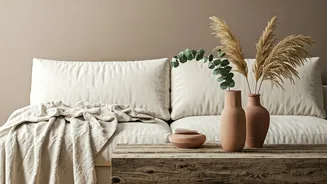
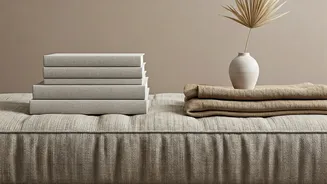
curtains that filter light beautifully, and tactile tablecloths that make every meal feel special. But why linen, and why now? The appeal is twofold. First, its aesthetic is one of “perfect imperfection.” The natural crinkles and soft texture of linen reject the rigid, formal look of previous years, instead offering a relaxed, lived-in elegance often associated with “quiet luxury.” It feels authentic and unpretentious. Second, it connects to a growing desire for sustainability. Made from the flax plant, linen is durable, biodegradable, and requires less water and pesticides to grow than cotton, making it a more conscious choice for an eco-aware consumer. It’s a material that not only looks good but feels good to invest in.
A Warmer, Softer Neutral Palette
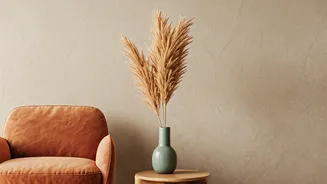
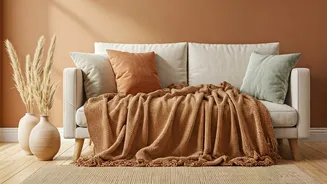
For the last decade, gray dominated the neutral landscape. While versatile, it often left rooms feeling cool, corporate, or impersonal. The emerging palette for 2026 is a direct response to this, shifting dramatically toward warmth and comfort. Think less about stark whites and steel grays and more about colors that feel like a hug. We’re seeing a surge in mushroom, a sophisticated grayish-beige; warm taupes; creamy off-whites; and soft, earthy browns. These colors create an enveloping, cohesive backdrop that makes a space feel instantly calming. They pair beautifully with the natural materials currently in vogue, from light oak woods to terracotta pots and, of course, linen textiles. This isn't a return to the heavy beige of the 1990s. Today’s warm neutrals are complex and layered, with subtle undertones of pink, green, or yellow that add depth and character. The goal is to build a serene and sophisticated foundation that you can layer with personal touches, textures, and pops of muted color like sage green or dusty rose.
Harnessing 'Earthy Energy'
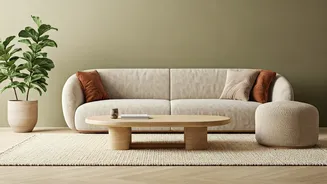
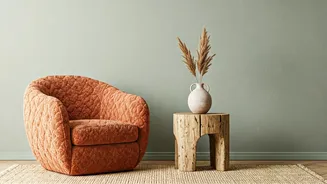
This isn’t just about color; it’s about a feeling. “Earthy energy” is the core concept tying all these trends together. It’s a holistic approach to design that aims to ground us and reconnect us with the natural world, providing a necessary antidote to our digitally saturated lives. This manifests in several key ways. First is through biophilic design—the practice of incorporating nature into our built environment. This means more than just a few houseplants; it’s about maximizing natural light, using organic shapes, and choosing materials that evoke the outdoors. Think curved sofas that mimic natural forms, live-edge wood tables, and unpolished stone accents. Second is the celebration of texture. Instead of smooth, glossy surfaces, the future is full of tactile experiences: rough-hewn wood, nubby bouclé fabrics, hand-thrown ceramics, and woven rattan or jute. These elements engage the senses and make a home feel rich and layered. Ultimately, this trend is about creating a home that functions as a retreat—a place to decompress, recharge, and feel connected to something real and tangible.