



Beyond the Golden Triangle
For many American travelers, a trip to India means the Golden Triangle: the historic circuit of Delhi, Agra, and Jaipur. It’s a fantastic introduction to the country’s Mughal history and vibrant culture, but it’s also a well-worn path. For those craving
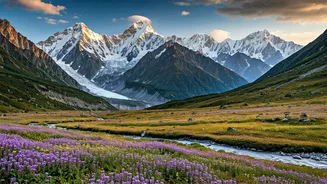
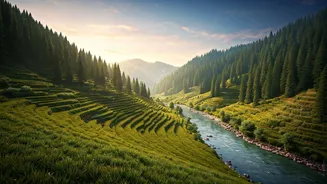
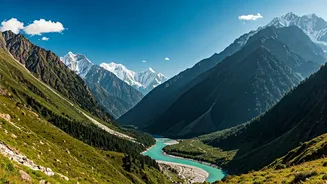
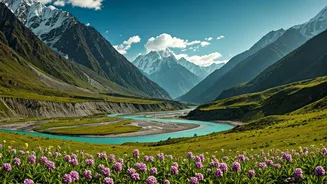
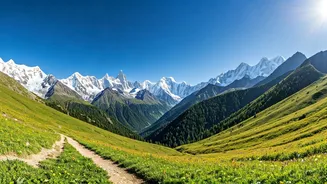
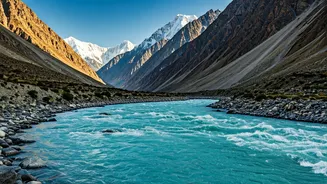
solitude, towering mountains, and air that feels scrubbed clean, the real magic lies elsewhere. Enter Kumaon, a division in the northern state of Uttarakhand. This is the India you haven't seen on a postcard. It’s a region of winding mountain roads, terraced green hillsides, and sleepy villages where life moves at a different pace. Instead of chaotic markets, you’ll find quiet forests of pine and deodar. Instead of ancient forts, you’ll find sacred peaks that locals believe are the homes of gods. Kumaon isn’t about ticking off a list of sights; it’s about immersing yourself in some of the most spectacular and soul-stirring landscapes the Himalayas have to offer.
The Roar of Birthi Falls
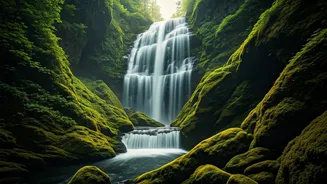
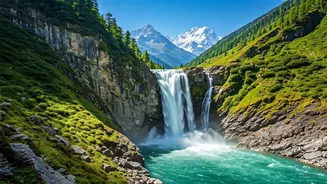
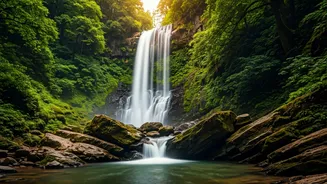
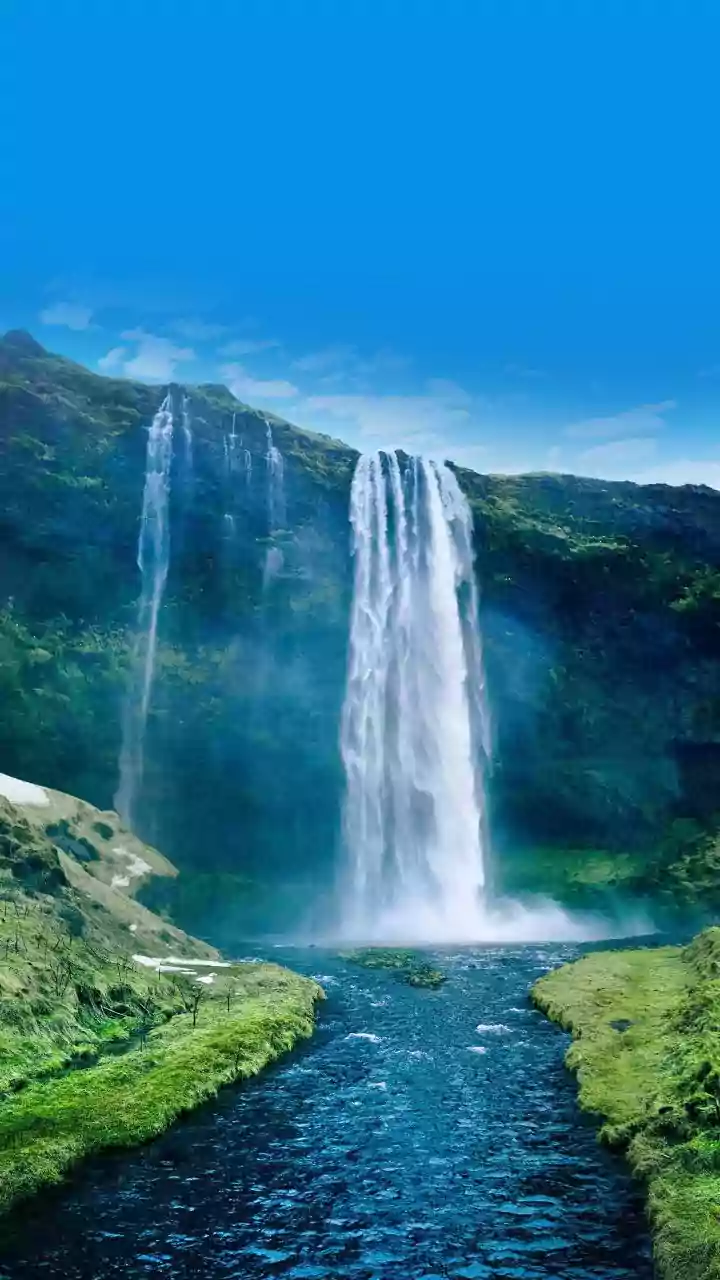
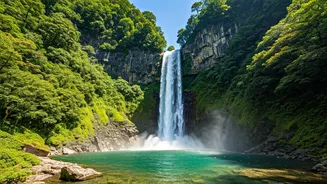
Nothing embodies the raw power of Kumaon better than Birthi Falls. Located on the winding road to the town of Munsiyari, this isn't a demure, picturesque trickle. It’s a thundering behemoth, plummeting over 400 feet down a sheer rock face. Even from the road, the sound is a deep, resonant roar that fills the valley. The spray creates a perpetual mist, nourishing a lush, green ecosystem at its base. While you can admire it from a distance, a short and relatively easy trek of less than a mile brings you closer to the plunge pool. Here, the scale is truly humbling. The air is cool and charged with energy, the force of the water a visceral reminder of nature’s power. Unlike many major attractions, Birthi feels wild and accessible. There’s a simple tea stall nearby, but the experience is refreshingly free of commercial clutter. It’s just you, the mountain, and the magnificent cascade.
Munsiyari: Your Himalayan Basecamp
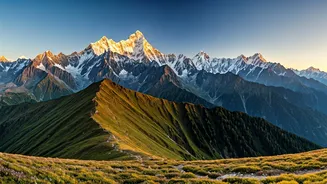
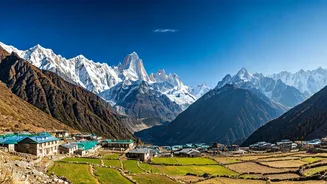
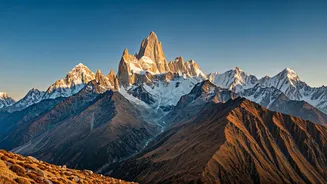
Birthi Falls is a highlight on the journey to Munsiyari, a town that serves as the region’s primary hub for adventure and relaxation. Perched at an altitude of over 7,000 feet, Munsiyari is often called the “Gateway to the Johar Valley.” For centuries, it was a crucial stop on the salt trade route to Tibet. Today, it’s a basecamp for some of India’s most epic treks. But you don’t have to be a hardcore mountaineer to enjoy it. The town’s main draw is its jaw-dropping, panoramic view of the Panchachuli peaks—a group of five snow-capped Himalayan summits that dominate the skyline. Waking up to see the first rays of sun hit these jagged giants is an unforgettable experience. The town itself is small and unassuming, with a handful of guesthouses and local restaurants serving simple, hearty mountain fare. It’s the perfect place to acclimatize, take gentle hikes, and disconnect from the rush of modern life.
How to Plan Your Kumaon Trip
Getting to Kumaon requires a bit more effort than flying into a major metropolis, but that’s part of its charm. The journey is the destination. Most travelers fly into Pantnagar Airport or take a train to Kathgodam, then hire a private car and driver for the multi-day road trip into the mountains. The drive itself is an adventure, with each hairpin turn revealing a new, stunning vista. The best times to visit are during the spring (March to May) and autumn (September to November), when the skies are clear and the weather is pleasant. The summer monsoon (July and August) brings heavy rains and potential landslides, making travel difficult. Accommodations in Kumaon range from basic guesthouses to comfortable, family-run hotels. Don't expect five-star luxury; instead, embrace the warm hospitality and authentic local experience. This is slow travel at its best, designed for those who want to feel a genuine connection to a place.