



From Niche Practice to Mainstream Obsession
For decades, Pilates was the well-kept secret of dancers, physical therapists, and a small circle of fitness devotees. Developed by Joseph Pilates in the early 20th century, his method, which he called “Contrology,” was designed to unite mind, body, and spirit.
The focus was never on explosive power or brute force, but on precise, controlled movements originating from a strong core. While other fitness trends have revolved around high-intensity intervals and lifting heavy, Pilates has always championed a different kind of strength: the quiet, deep, and sustainable kind. This shift away from the “no pain, no gain” mentality of the 2010s is a major reason for its current appeal. People aren't just looking to get shredded anymore; they're seeking functional strength, better posture, and a workout that feels restorative rather than punishing.
The Celebrity and Social Media Effect
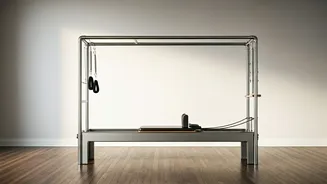
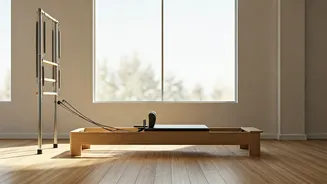
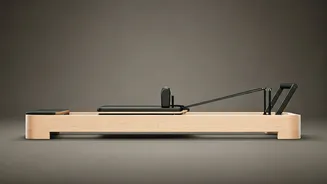
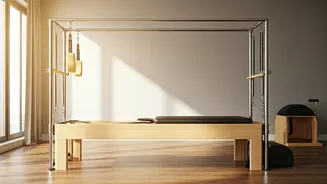
You can’t talk about the Pilates boom without mentioning its A-list disciples. Celebrities like Hailey Bieber, Kendall Jenner, and Lori Harvey have become walking advertisements for the practice, showcasing their Pilates-honed physiques and expensive reformer sessions to millions of followers. Their influence has transformed the Pilates studio from a simple gym space into a backdrop for the coveted “clean girl aesthetic.” The matching sets, slicked-back buns, and minimalist studio lighting are as much a part of the trend as the exercises themselves. On platforms like TikTok and Instagram, the reformer machine has become an accessory, a signal of wellness, discipline, and disposable income. It's a visual shorthand that says, “I invest in myself.” This social media visibility has made the practice aspirational, turning a once-niche workout into the ultimate lifestyle flex.
Strength Without the Bulk
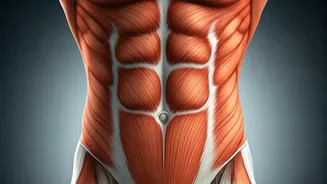
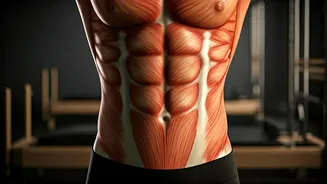
The core promise of Pilates aligns perfectly with today’s desired fitness aesthetic: long, lean lines and defined, functional muscle. Unlike traditional weightlifting, which often focuses on hypertrophy (making muscles bigger), Pilates uses bodyweight or light spring resistance to build strength through a full range of motion. The result isn't bulk, but a sculpted, toned appearance that emphasizes posture and alignment. The relentless focus on the core—the deep abdominal muscles, obliques, and lower back—creates a foundation of stability that makes you look taller and move with more grace. In a world saturated with workouts that promise to burn as many calories as possible, Pilates offers something different: the promise of control, poise, and a strength that’s felt as much as it is seen. This is the “core strength” in the headline, and it’s both a physical reality and a powerful metaphor for the self-possession so many are chasing.
It’s a Vibe, Not Just a Workout
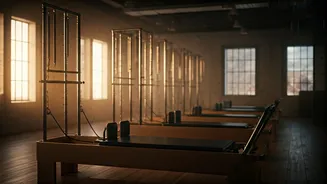
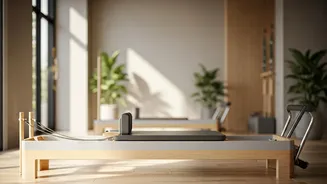
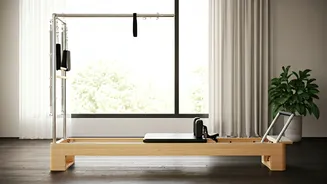
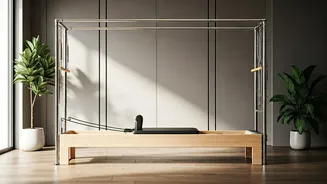
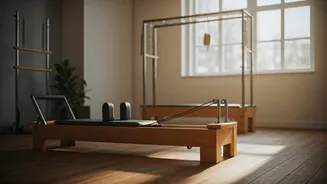
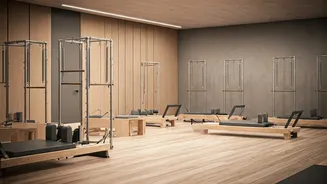
Ultimately, the new appeal of Pilates is about the entire experience. Boutique studios often feel more like serene spas than sweaty gyms, with natural light, calming color palettes, and a sense of community. The class itself is a moving meditation. You have to be completely present to execute the movements correctly, forcing you to disconnect from your phone and your worries for a full 50 minutes. This built-in mindfulness is a powerful antidote to our hyper-connected, over-stimulated lives. The flex, then, isn’t just having a toned core; it’s about having the time, money, and discipline to commit to a practice that is as much about mental clarity as it is about physical fitness. It signals a holistic approach to wellness, a commitment to showing up for yourself in a way that’s both challenging and deeply nourishing.