




The Health Halo Meets the Frying Pan
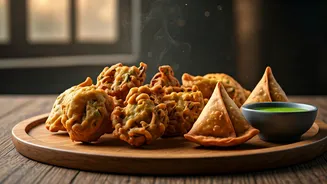
For generations, many of India’s most beloved snacks and celebratory dishes have been born in hot oil. Think of the crispy, golden shell of a samosa, the crunchy texture of a pakora, or the perfectly fried bhatura puffing up in a kadai. Deep-frying is not
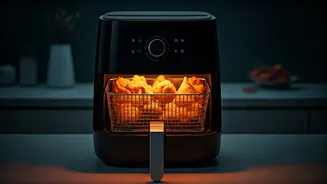
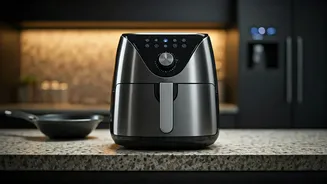
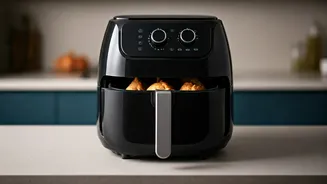
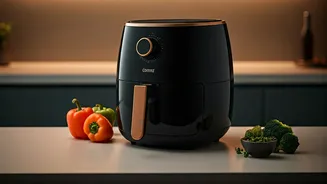
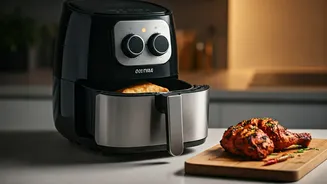
just a cooking method; it's a core part of the culinary texture and identity of countless regional cuisines. But as health consciousness rises globally, a conflict emerges in the modern Indian kitchen: how do you reconcile a love for these classic flavors with a desire for healthier eating? Enter the air fryer. This countertop convection oven has become the perfect compromise, promising the crispiness of frying with a fraction of the oil. It allows home cooks to reduce fat and calories without completely giving up the foods they grew up loving. This isn't about replacement; it's about adaptation.
Reimagining the Classics, One Basket at a Time
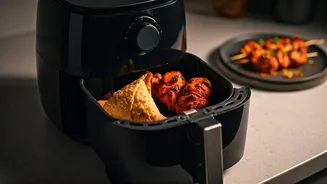
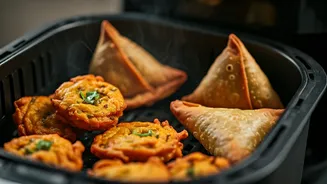
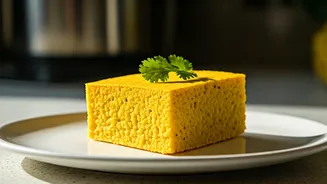
So, what exactly is getting the air-fryer treatment? The answer, increasingly, is almost everything. Samosas, the quintessential Indian snack, are a prime candidate. Instead of being submerged in oil, frozen or freshly made samosas are lightly brushed with oil and air-fried to a surprisingly crisp finish. Vegetable pakoras (fritters made with chickpea flour) and paneer tikka skewers, traditionally cooked in a tandoor oven, achieve a beautiful char in the air fryer. Even mainstays like stuffed parathas and regional specialties like Gujarati muthiya (steamed and pan-fried dumplings) are being successfully adapted. The appeal is twofold: it's not just healthier, it's also significantly less messy and more convenient. There's no large pot of oil to manage, no splattering, and far less to clean up—a major win for busy households.
But Does It Taste the Same?
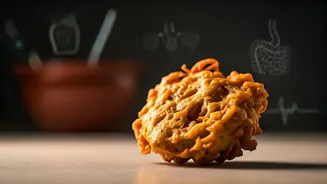
This is the million-dollar question, the source of spirited debate in family WhatsApp groups and online foodie forums. Can an air-fried samosa truly compare to its deep-fried counterpart? The honest answer is: not exactly. An air fryer is essentially a small, powerful convection oven. It excels at creating a dry, crisp exterior. A deep-fried item, however, is cooked by being fully immersed in hot fat, which cooks it quickly and evenly while also imparting a unique flavor and a richer, more decadent mouthfeel. Most enthusiasts agree that while an air-fried pakora might be 85-90% as satisfying as the original, the dramatic reduction in oil makes it a worthwhile trade-off for an everyday snack. The deep-fried version is saved for special occasions, while the air-fried one becomes a weeknight possibility. It’s not about finding a perfect replica, but about creating a delicious, guilt-free 'good enough' version.
A Symbol of the Modern Indian Kitchen
The embrace of the air fryer is more than just a passing fad; it's a window into the evolution of Indian food culture. For decades, the pressure cooker was the symbol of the modern, efficient Indian kitchen. Today, the air fryer is joining its ranks, sitting alongside the Instant Pot and the food processor as a tool of convenient modernity. It represents a generation of cooks—both in India and across the diaspora—who are deeply connected to their culinary heritage but are also open to innovation. They are using new technology not to erase tradition, but to make it more compatible with a contemporary lifestyle. This fusion of old and new ensures that cherished family recipes aren't lost, but are instead adapted to fit the health and time constraints of the 21st century, making them accessible for the next generation to cook and enjoy.