



From 'Bleisure' to Slow Business Travel
For years, the concept of 'bleisure'—tacking a personal weekend onto a business trip—has been a known corporate travel perk. But what we're seeing now is a deeper, more integrated evolution. This isn't just about adding a Saturday museum visit after a Friday
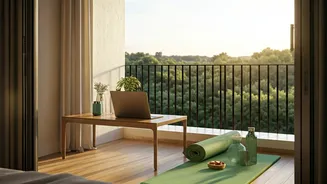
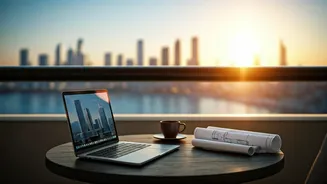
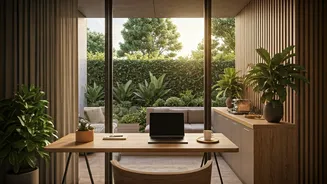
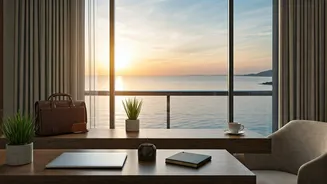
conference; it's about fundamentally changing the rhythm of the work trip itself. Employees are turning week-long assignments into 10-day stays, working remotely from their hotel or a local café for a few extra days to soak in the destination without the pressure of a packed tourist itinerary. This approach, often called 'slow business travel,' prioritizes well-being and local immersion over efficiency-at-all-costs. Instead of racing back for a red-eye flight, professionals are opting to explore a neighborhood, visit a local market, or simply work from a park, blending their professional obligations with personal enrichment.
The Post-Pandemic Work Culture Catalyst
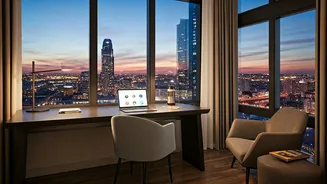
This shift didn't happen in a vacuum. The pandemic fundamentally broke the traditional 9-to-5, in-office model for millions of American workers. Having proven that productivity isn't tied to a specific desk in a specific city, employees now expect more flexibility. This newfound autonomy is extending to business travel. Companies, eager to retain top talent in a competitive market, are becoming more accommodating. If an employee can work effectively from their home office, they can likely work just as effectively from a hotel room in Denver for two extra days. Furthermore, a widespread reckoning with burnout has made both employees and employers more conscious of mental health. A slower travel pace is seen as an antidote to the exhaustion that often accompanies corporate travel, making the experience less of a grind and more of a sustainable part of the job.
The Business Case for Slower Trips
While it might seem counterintuitive, allowing for longer, slower trips can be a smart business move. For many companies, the primary cost of extending a trip isn't the flight—it's the extra accommodation. However, many employees are willing to cover their own lodging for the personal days, making it a low-cost perk for employers. The real return on investment comes from employee satisfaction and retention. A report from American Express Global Business Travel highlighted that a majority of business travelers intended to add personal vacation time to their trips. Companies that support this are viewed as more modern and employee-centric. Happier, more rested employees are more creative, engaged, and less likely to burn out. This can lead to higher-quality work and a stronger company culture. The main challenges for businesses lie in setting clear policies around expenses, productivity expectations, and ensuring fairness for employees whose roles don't allow for such flexibility.
Making the Slow Trip Work for You
For employees interested in embracing this trend, the key is clear communication and planning. It’s not a vacation in disguise; it’s an extension of your flexible work environment. Frame the request with your manager by outlining your work plan, confirming your availability during core hours, and clarifying which expenses you intend to cover personally. On the trip, set boundaries. Dedicate clear blocks of time for focused work and for personal exploration. The goal is to avoid the trap of feeling like you should be working all the time or feeling guilty for not sightseeing enough. Use the extra time to live like a local rather than a tourist. Find a favorite coffee shop, go for a run in a nearby park, or have a leisurely dinner. This approach allows you to return to your home base feeling refreshed and culturally enriched, not depleted and jet-lagged.