

First, What Are Prebiotics Anyway?
Before we get to the big reveal, let's clear up a common point of confusion. You've likely seen 'probiotics' advertised on everything from yogurt to kombucha. Probiotics are the beneficial live bacteria that reside in your gut, helping with digestion
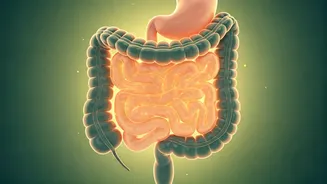
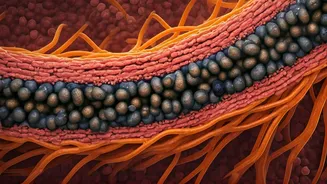
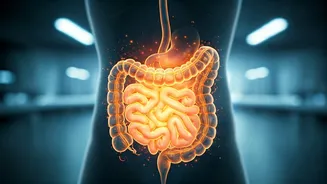
and supporting your immune system. They're the 'good guys' in your gut microbiome. Prebiotics, on the other hand, are the food for these good guys. They are specific types of dietary fiber that your body can't digest. Instead, they travel to your lower digestive tract where they become a five-star meal for your healthy gut bacteria. Think of it this way: if probiotics are the seeds you plant in your garden, prebiotics are the fertilizer that helps them flourish and multiply. Without enough prebiotics, your probiotic population can't thrive, no matter how much fermented food you eat.
The Unassuming Hero: Green Bananas
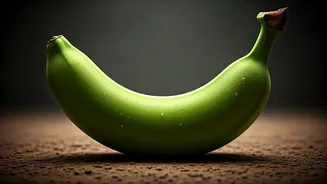
So, what’s the simple superfood? It’s the green, unripe banana. While you might be used to waiting for your bananas to turn bright yellow and sweet, their nutritional profile is dramatically different when they're still firm and green. That starchy, slightly bitter taste is a sign that they are packed with one of the most powerful prebiotics available in a whole food. While other foods like garlic, onions, and asparagus are excellent sources of prebiotics, the concentration found in green bananas is particularly high. They offer a unique type of fiber that serves as an especially effective fuel source for your gut microbes. Best of all, they are affordable, accessible, and easy to find in any grocery store, making them a simple addition to your wellness routine.
The Secret Is Resistant Starch
The magic ingredient in green bananas is something called 'resistant starch.' As the name implies, this type of starch 'resists' digestion in the small intestine. While a ripe banana’s starch has converted into simple sugars (which is why they taste sweet), a green banana is full of this complex, fibrous starch. When resistant starch reaches your colon, it begins to ferment. This fermentation process releases compounds called short-chain fatty acids (SCFAs), such as butyrate. Butyrate is the primary energy source for the cells lining your colon and has been linked to numerous health benefits, including reduced inflammation, improved gut barrier function, and a healthier microbiome. By providing a dense source of this specific fiber, a small amount of green banana can significantly boost the fuel available to your beneficial bacteria, helping them multiply and create a healthier gut environment.
How to Add It to Your Diet
Eating a raw, unripe banana might not sound appealing, but incorporating it into your diet is surprisingly easy. The key is to blend it or cook it. * **Smoothies are your best friend:** The easiest method is to peel a green banana (it can be tougher than a ripe one, so use a knife) and add half of it to your morning smoothie. When blended with other fruits, protein powder, or nut butter, its starchy texture and mild flavor disappear completely. It just adds a pleasant thickness. * **Try green banana flour:** Available online and in health food stores, this flour can be used in baking. You can substitute a portion (about 25%) of the regular flour in recipes for pancakes, muffins, or bread to add a prebiotic kick without affecting the taste much. * **Cook them like a vegetable:** In many parts of the world, green bananas or plantains (a close cousin) are treated like potatoes. You can boil and mash them, slice them thin and bake them into chips, or add them to savory stews and curries. Cooking will break down some of the resistant starch, but a significant amount remains. One word of caution: if your diet is currently low in fiber, introduce green bananas slowly. A sudden large dose can cause gas or bloating as your gut microbiome adjusts to the new fuel source. Start with a small amount, like a quarter or half a banana in a smoothie, and see how you feel.