





The Unsung Hero of Hydration
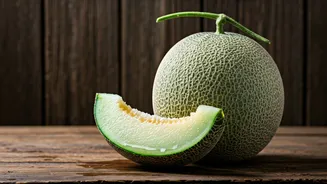
When you think of a summer melon, your mind likely pictures a bright red slice of watermelon or a sweet, orange cantaloupe. But the true heavyweight champion of heatwave survival might be a fruit you’ve probably walked past: the winter melon. Also known
as an ash gourd, wax gourd, or 'petha' in India, this humble giant looks more like a pale green, frosty zucchini than a juicy fruit. Its unassuming, waxy exterior hides a secret that has been understood for centuries in Asia: an almost unparalleled ability to cool and hydrate the body. Unlike its sugary cousins, the winter melon isn't something you slice and eat on a picnic blanket. It's a culinary workhorse with a subtle flavor profile, making it a versatile ingredient that’s as much a vegetable as it is a fruit.
More Than Just Water
So what makes this melon so special? First, the obvious: it’s about 96% water. That puts it in the same league as cucumber and lettuce for sheer hydrating power. But its benefits go much deeper than just H2O. Winter melon is incredibly low in calories, sugar, and fat, but it provides a decent dose of fiber and small amounts of key electrolytes like potassium. This combination helps replenish what you lose through sweat without loading you up with sugar, which can sometimes hinder hydration. Furthermore, in both Traditional Chinese Medicine and Ayurveda, winter melon is prized for its 'cooling' energetic properties. While the science on this is still developing from a Western perspective, these ancient traditions have long used it to reduce internal heat, support kidney function, and act as a natural diuretic. It’s not just about adding water to your system; it's about helping your body manage heat more effectively from the inside out.
A Melon for All Seasons (and Reasons)
The name 'winter melon' is a bit of a misnomer. It’s grown in the summer, but its thick, waxy rind allows it to be stored for months, making it available well into the winter. This longevity is another part of its 'built for survival' resume. But its real magic lies in its culinary versatility. With a very mild, neutral taste—somewhere between a cucumber and a zucchini—it acts like a sponge, soaking up the flavors of whatever it's cooked with. In China, it’s the star of a clear, savory winter melon soup, often served in an intricately carved melon rind as a tureen. In India, it's famously candied to create a translucent, chewy sweet called petha. It can be stir-fried, stewed, or even blended into a refreshing, slightly grassy juice. This adaptability means you can incorporate it into your diet in countless ways, moving beyond the simple fruit salad.
Your Guide to Finding and Using It
Ready to give this heat-busting gourd a try? Your best bet is to head to a well-stocked Asian or international supermarket. Look for one that feels heavy for its size and has a firm, unblemished rind. You might see a fine, powdery white coating on the skin—that’s the 'ash' or 'wax' that gives it its name, and it’s a sign of freshness. Don’t be intimidated by its size; most markets sell it in more manageable wedges. To prepare it, you'll need to peel away the tough green skin and remove the seeds and the spongy core, similar to a pumpkin. The crisp, white flesh is what you're after. For a simple start, try dicing it and adding it to a chicken or vegetable broth with some ginger and scallions for the last 15 minutes of cooking. It will turn translucent and tender, offering a subtle, refreshing bite to a comforting soup.