





The Science Behind the Sizzle
So, what's the big deal with fermentation? At its core, fermentation is a natural process where microorganisms like yeast and bacteria convert carbs—such as sugar and starch—into alcohol or acids. This not only preserves the food but also creates a host
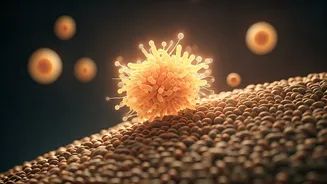
of beneficial byproducts. The most famous of these are probiotics, the “good” live bacteria that have become synonymous with digestive wellness. When you eat fermented foods, you’re introducing these beneficial microorganisms into your digestive system. A healthy gut microbiome, which is the community of trillions of microbes living in your gut, is increasingly linked by researchers to everything from improved digestion and a stronger immune system to better mental health. This connection is the primary engine driving the fermented food craze.
More Than Just Probiotics
While probiotics get most of the attention, the benefits don't stop there. The fermentation process can also make nutrients in food more bioavailable, meaning your body can absorb them more easily. For example, fermenting soy into products like miso or tempeh reduces compounds that can interfere with mineral absorption. Fermentation can also create new nutrients, including certain B vitamins. This process essentially “pre-digests” the food, making it easier on your system. It's a powerful combination: enhanced nutrition, beneficial bacteria, and often a complex, tangy, and deeply satisfying flavor that processed foods just can't replicate. It represents a return to whole, functional foods that work with our bodies, not against them.
Kombucha: The Trendy, Tangy Tonic
Arguably the poster child of the fermentation boom, kombucha is a fizzy, sweetened black or green tea fermented with a symbiotic culture of bacteria and yeast (SCOBY). Its popularity has exploded, moving from niche health food stores to mainstream supermarket aisles and even bars. With its slightly sweet, slightly vinegary taste, it serves as a healthy alternative to sugary sodas. Commercial brands offer a wide array of flavors, from ginger-lemon to berry, making it an accessible entry point for anyone curious about fermented drinks.
Kimchi: Korea's Spicy Staple
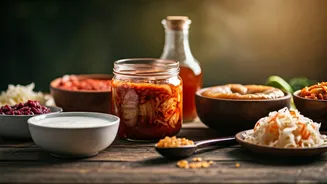
This traditional Korean side dish is a flavor powerhouse. Typically made from fermented napa cabbage, Korean radishes, and a spicy, savory blend of gochugaru (chili powder), scallions, garlic, ginger, and jeotgal (salted seafood), kimchi is rich in vitamins A and C, and of course, probiotics. It's incredibly versatile, adding a punch of spicy, umami, and sour flavor to everything from fried rice and tacos to simple scrambled eggs. Its growing popularity in the U.S. reflects a broader interest in global cuisines and their inherent health benefits.
Yogurt and Kefir: The Dairy Dynamos
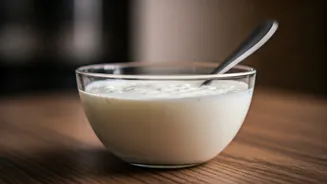
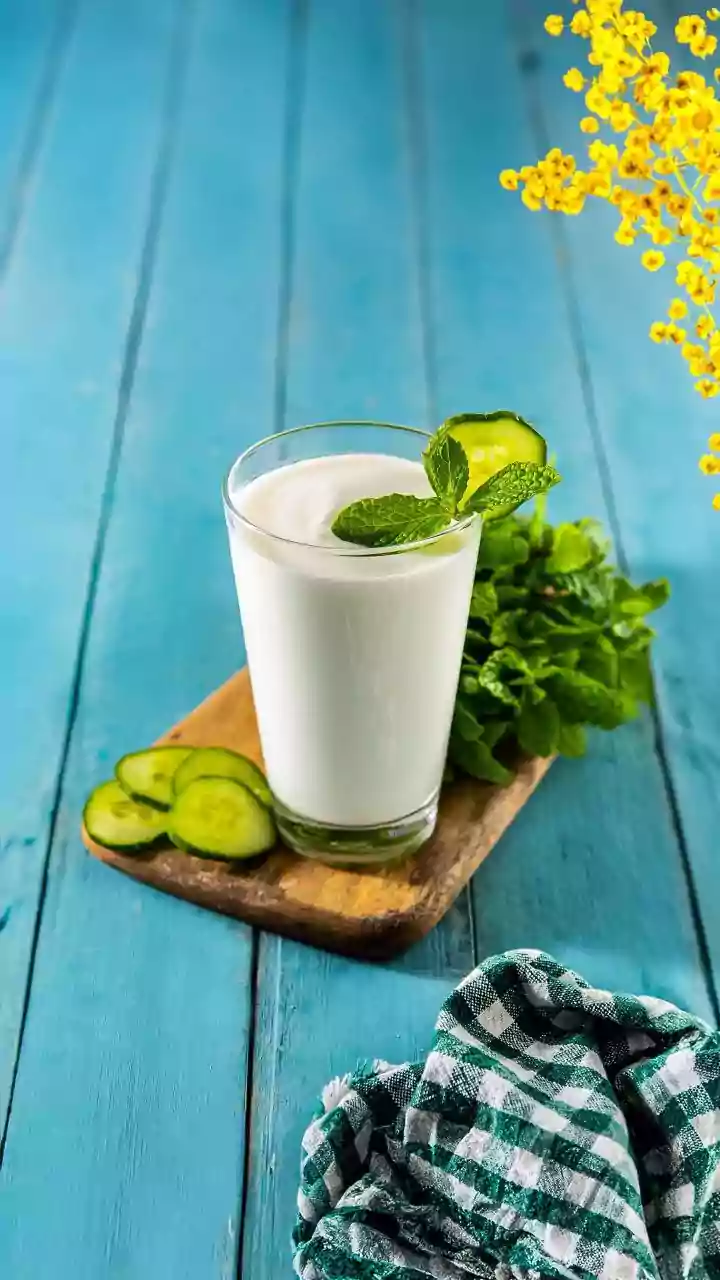
Yogurt is perhaps the most familiar fermented food for Americans. It's made by fermenting milk with beneficial bacteria cultures. For the biggest probiotic punch, look for labels that say “live and active cultures.” Kefir, its tangier, thinner cousin, is often described as a drinkable yogurt. It’s typically made by adding kefir “grains”—colonies of yeast and bacteria—to milk. Kefir often contains a more diverse range of probiotic strains than yogurt, making it a particularly potent choice for gut health.
Sauerkraut: More Than a Topping
Forget the bland, canned stuff. Traditional sauerkraut is simply shredded cabbage that has been fermented by various lactic acid bacteria. It’s crunchy, sour, and packed with probiotics and fiber. When buying, look for raw, unpasteurized sauerkraut in the refrigerated section of the grocery store. The shelf-stable versions have been heat-treated, which kills the beneficial live cultures. It’s a fantastic addition to salads, sandwiches, and grain bowls, providing a zesty crunch and a dose of digestive support.