




From ‘Doing’ Europe to ‘Being’ in the Himalayas
For decades, the aspirational Indian vacation was often a whirlwind tour of Europe or Southeast Asia—a blur of capital cities, famous monuments, and photo ops to prove you were there. It was a trip built on acquisition, collecting passport stamps and landmark
selfies. But for a growing cohort of young, upwardly mobile Indians, that model is losing its luster. They are now turning inward, not just geographically toward India’s own vast and varied landscapes, but philosophically. The new travel currency isn't how many places you can see, but how deeply you can experience one. It’s the difference between snapping a picture of a tea plantation in Munnar and spending a week at a homestay learning how the tea is picked, processed, and brewed from a family that has done it for generations. This is the heart of slow travel: a conscious decision to move at a pace that allows for spontaneity, connection, and a real feeling for a place.
The Drivers of a Deeper Journey
This shift isn't happening in a vacuum. Several powerful forces are fueling it. The first is the global post-pandemic recalibration. After years of lockdowns and digital saturation, travelers everywhere are craving authenticity. In India, this is amplified by a generation that came of age online and is now seeking tangible, offline experiences. The rise of remote work has also been a game-changer. The “workation”—relocating to a scenic spot for weeks or months while still logging in for the 9-to-5—has exploded in popularity. Hill stations like Manali and coastal towns in Goa are now dotted with young professionals who are blending work with weekend treks, surf lessons, and local café culture. There's also a growing disillusionment with the performance of travel on social media. Instead of perfectly filtered sunsets, the new aspirational content is messy, authentic, and story-driven: learning a local craft, volunteering on a sustainable farm, or simply reading a book in a quiet corner of a forgotten town.
What 'Real Texture' Looks and Feels Like
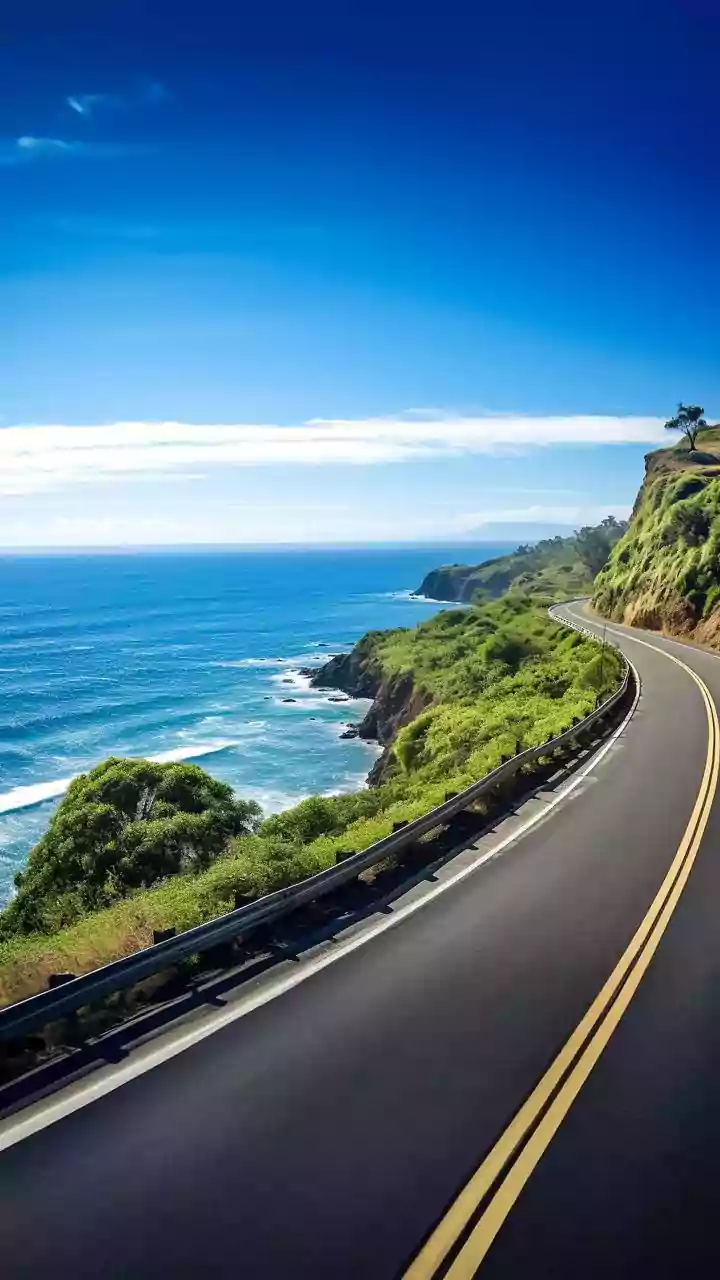
So what does a trip with “real texture” involve? It’s multisensory and participatory. It might mean bypassing a luxury hotel for a family-run guesthouse in Rajasthan, where the itinerary includes a cooking class on how to make a proper dal baati churma. It could be a motorcycle trip through the winding roads of Ladakh, stopping not just at scenic overlooks but in small villages to share a cup of butter tea with locals. In the backwaters of Kerala, it’s choosing a small, man-powered canoe over a large, noisy houseboat to better absorb the quiet rhythms of village life along the canals. This kind of travel prioritizes people over monuments. The goal is no longer just to see the Taj Mahal, but to understand the context around it—to explore the artisan workshops in Agra, listen to stories from the guides whose families have lived in its shadow for centuries, and taste the street food in the surrounding markets. It’s about creating memories that are rooted in feeling and interaction, not just sight.
A Global Movement with a Local Soul
While slow travel is a global phenomenon, its expression in India is unique. For many young Indians, this is an act of rediscovery. They are exploring their own country with the same curiosity once reserved for foreign lands, uncovering the immense diversity of its culture, food, and geography—from the remote tribal villages of Nagaland to the serene ashrams of Rishikesh. This domestic exploration is made easier by improved infrastructure, budget airlines, and a boom in boutique travel companies and curated homestay platforms like SaffronStays or Postcard Hotels that cater specifically to this desire for authentic luxury. This isn't a rejection of the world, but a realization that some of the most profound travel experiences can be found right at home, by simply slowing down and looking closer.