




1. The Water Intrusion Check
This is the single most ignored test, and it can save you from a world of damp, musty, and expensive trouble. Your car is designed with channels and drains to route water away from the cabin, but they get clogged with leaves, pine needles, and grime.
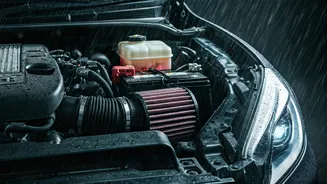
The most important spot is the cowl or plenum area, located at the base of your windshield where the wipers rest. Pop the hood and clear out any debris you see there. A clogged plenum can send water straight into your car’s HVAC system and onto the passenger-side floor. Next, check your door seals. Run a finger along the rubber gaskets; they should be soft and pliable, not cracked or brittle. A failing seal can let water seep in, leading to moldy carpets and damaged electronics. If you have a sunroof, open it and check that its drainage tubes (usually in the front corners) are clear.
2. The Hydroplaning & Stopping Test
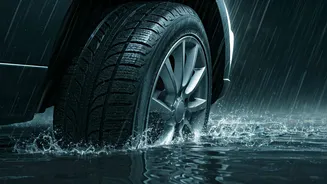
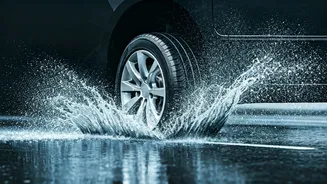
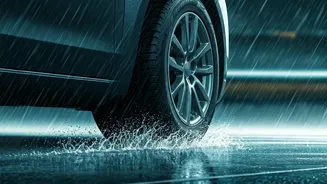
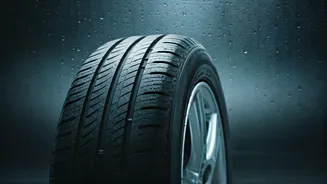
Everyone knows to check tire tread. But it’s not just about the classic “penny test.” Tire pressure is just as critical for wet-weather performance. Underinflated tires can’t properly channel water away, dramatically increasing your risk of hydroplaning—that terrifying moment when your car essentially surfs on a thin layer of water, losing all traction. Check your pressure when the tires are cold, and inflate them to the manufacturer's recommended PSI, which you’ll find on a sticker inside the driver’s doorjamb, not on the tire itself. Just as important are your brakes. Wet brake rotors don’t bite as effectively. You don’t need to be a mechanic to test them. On your next drive in dry weather, pay attention: do they feel spongy? Do they pull to one side? Any unusual noises? A heavy storm is the worst time to discover your brakes aren't at 100%.
3. The Total Visibility Test
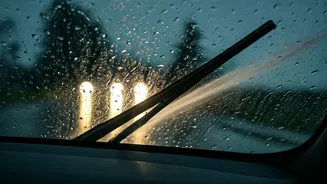
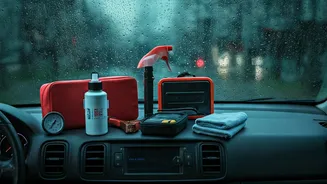
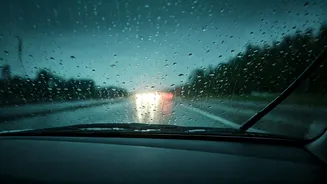
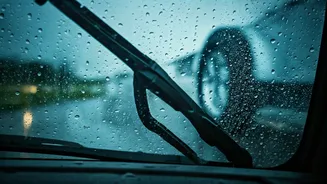
You replaced your wipers. Good. But that’s only half the battle for visibility. First, are they the right wipers? Cheap blades can chatter and smear from day one. Invest in a quality set of beam-style wipers, which apply more even pressure to the glass. Next, top off your washer fluid with a formulation designed to repel rain and cut through road grime. Then, turn your attention inward. The inside of your windshield builds up a hazy film from off-gassing plastics and your own breath. This film catches light and moisture, causing severe fogging and glare in the rain. Clean it thoroughly with a dedicated automotive glass cleaner and a microfiber towel. Finally, test your defroster—both front and rear—to make sure it’s blowing strong and hot.
4. The Lights & Communication Test
In a torrential downpour, your lights aren’t just for helping you see; they are essential for helping others see you. Walk around your car and test every single light: headlights (both low and high beams), taillights, brake lights, and, most importantly, your hazard lights. Have a friend step on the brake pedal while you check from behind. Over time, plastic headlight lenses can become yellowed and oxidized, severely reducing their brightness. If yours are cloudy, use a simple restoration kit from an auto parts store. It’s a cheap and easy fix that can make a massive difference in your ability to see—and be seen—when visibility drops to near zero.