





The End of 'One Size Fits All'
Imagine a grocery aisle once dominated by a handful of legacy brands offering the same chips, biscuits, and sodas to a billion people. That picture is rapidly fading. Today, the Indian consumer, particularly in urban centers, is increasingly specific
about their needs. They aren't just buying food; they are curating their lifestyle, and they expect brands to keep up. This shift is driven by rising incomes, greater global exposure via the internet, and a growing consciousness around personal well-being. The result is a market fragmenting from a monolith into a mosaic of niches, where 'good enough for everyone' is no longer good enough for anyone.
Health Is the New Wealth
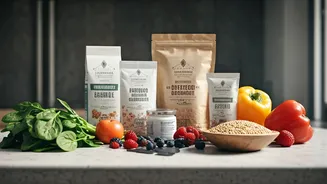
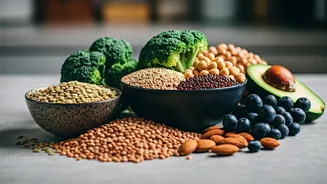
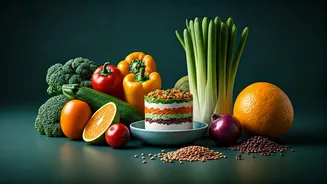
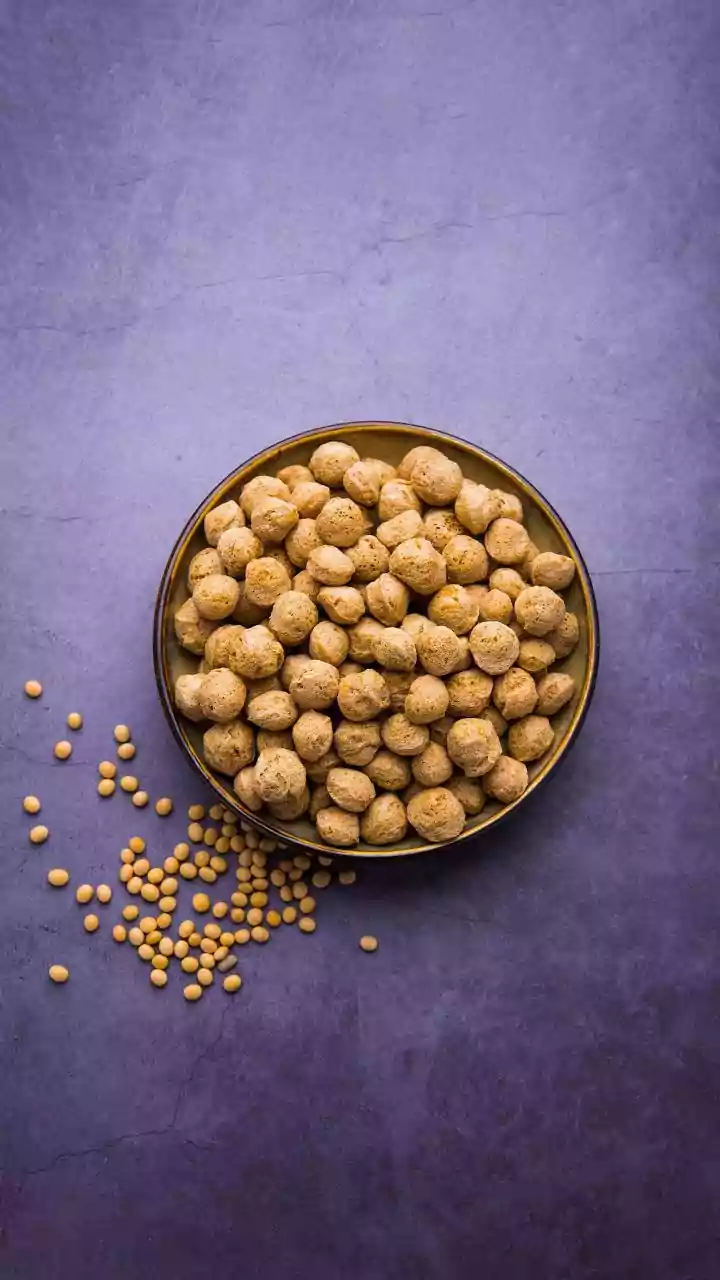
The single biggest driver of this change is a profound focus on health. This isn't just about cutting calories. It's a sophisticated demand for functional benefits. Indian consumers are actively scanning labels for what’s *in* their food, not just what’s been removed. They want high-protein snacks, drinks fortified with vitamins, and products with 'clean labels'—meaning no artificial preservatives, colors, or unpronounceable chemicals. Brands built on this premise are thriving. For example, The Whole Truth Foods has gained a cult following by putting all its ingredients, good and bad, on the front of the package. This demand for transparency and wellness has forced even multinational giants like Nestlé and Unilever to reformulate products and launch healthier sub-brands to stay relevant.
The Power of Personalization
If health is the 'what,' personalization is the 'how.' The rise of direct-to-consumer (DTC) e-commerce has been a game-changer, allowing startups to bypass traditional retail and speak directly to specific customer segments. Need a gluten-free, vegan protein bar? There’s a brand for that. Looking for coffee beans roasted to your exact preference? You can subscribe to a service. This move toward bespoke products mirrors trends seen in the U.S. but is happening at an accelerated pace. Companies are leveraging data to offer customized meal plans, nutrition advice, and products tailored to individual dietary goals, creating a level of brand loyalty that mass-market products can no longer command.
A Return to Roots
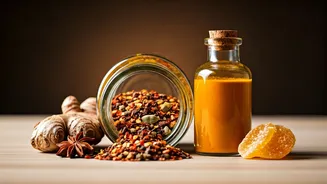
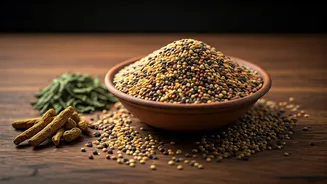
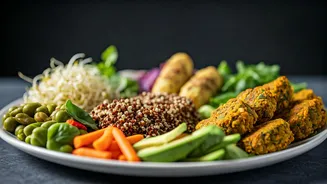
This modern, health-conscious movement is also deeply intertwined with a rediscovery of tradition. Consumers aren't just looking for kale and quinoa; they're embracing indigenous 'superfoods' that have been part of Indian diets for centuries. Millets, turmeric, ashwagandha, and jackfruit are being repositioned from humble staples to premium wellness ingredients. Brands are finding enormous success by giving these traditional foods a modern, convenient makeover. Think millet-based cereals, ready-to-eat jackfruit curries, and turmeric lattes. This 'new-stalgia' allows consumers to connect with their cultural heritage while still meeting their contemporary health goals, creating a powerful emotional connection that foreign brands often struggle to replicate.
The Challenge for Global Brands
For global food and beverage giants, this new landscape is both a massive opportunity and a daunting challenge. The Indian market is too big to ignore, but the old playbook of launching a single, standardized product nationwide is now obsolete. Success requires deep localization, agility, and a willingness to cater to niche tastes. Some are adapting by acquiring successful local DTC brands, while others are investing heavily in R&D to create region-specific products. The lesson is clear: the Indian consumer is no longer a passive recipient. They are an active, discerning partner in the creation of their food, and brands that fail to listen and adapt will quickly be left behind.