


The Emerald Corridor
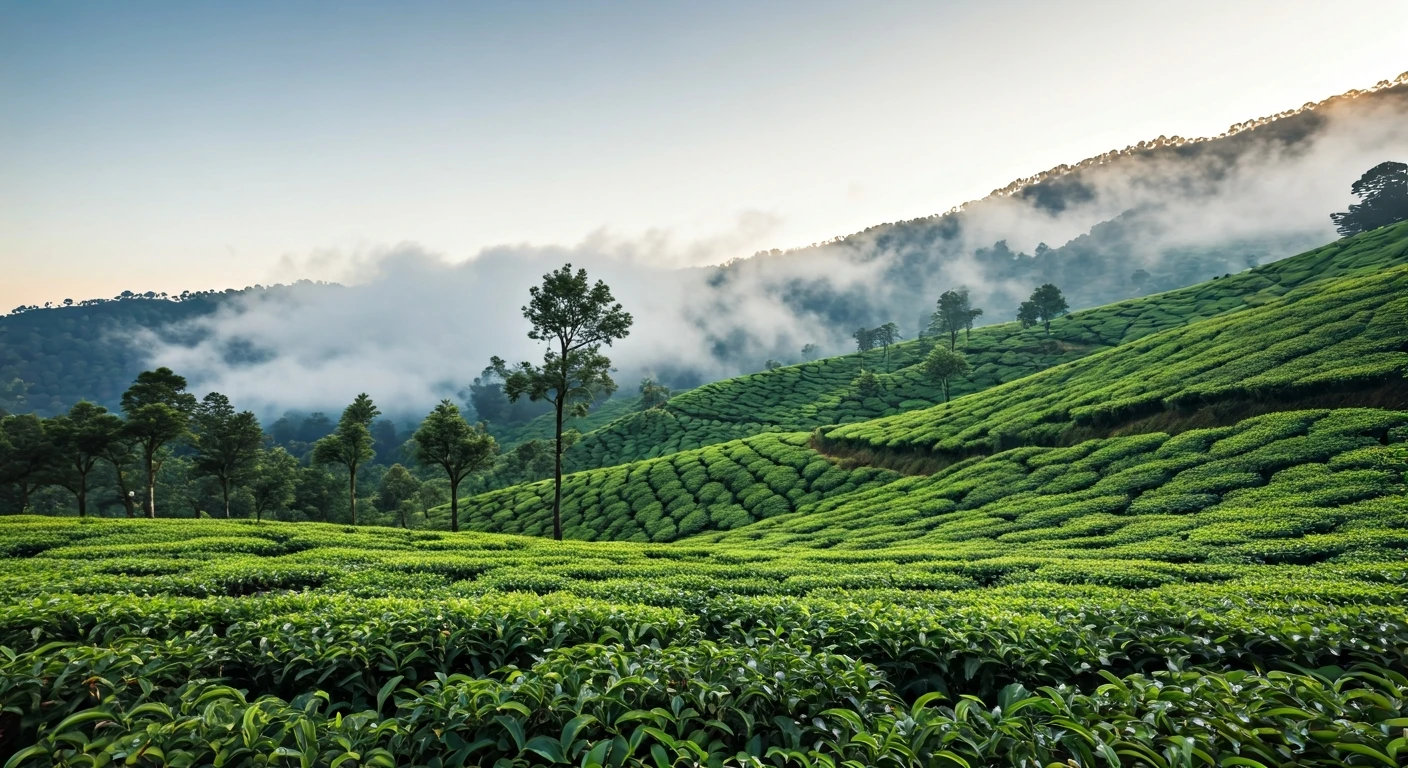
On a clear day, the drive through Coastal Andhra Pradesh is a study in vibrant green. Stretching along the Bay of Bengal on India's southeastern coast, the region is a fertile powerhouse. National Highway 16—a modern, multi-lane road that forms the backbone
of the journey—slices through a landscape dominated by shimmering paddy fields, vast aquaculture ponds, and groves of coconut palms swaying in the sea breeze. Towns and cities like Visakhapatnam, Vijayawada, and Kakinada pulse with commercial energy, their markets overflowing with mangoes, chilies, and fresh seafood. The air is thick with humidity and the smell of salt and soil. For the driver, it’s a straightforward, almost hypnotic experience: a smooth ribbon of asphalt unspooling through a land of plenty. It feels efficient, predictable, and quintessentially modern. But this entire ecosystem—the crops, the economy, the very rhythm of life—is predicated on an annual event that obliterates predictability: the monsoon.
When the Sky Opens
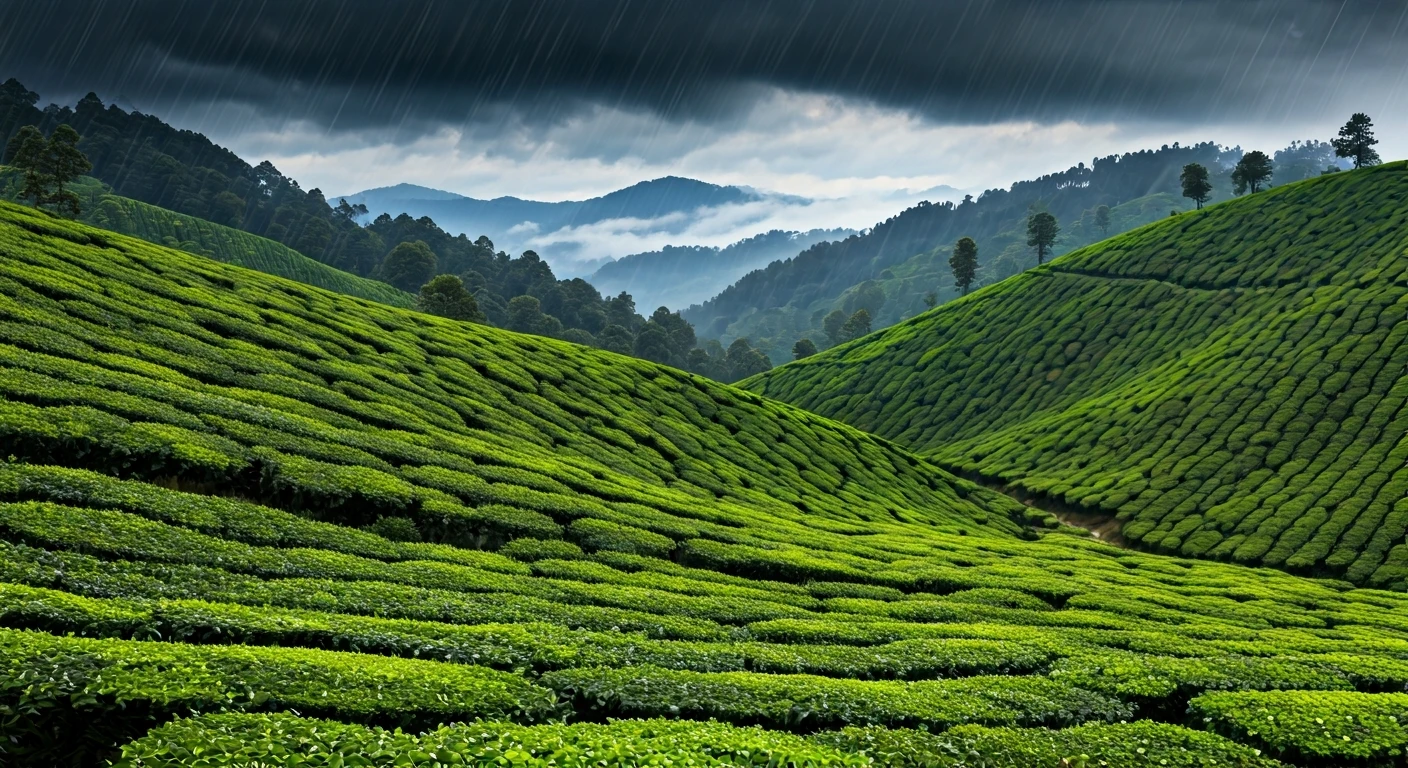
The southwest monsoon doesn't just arrive in Coastal Andhra; it takes over. Sometime around June, the character of the sky changes. Clouds gather with a purpose, turning the horizon a bruised purple. The first rains aren't a gentle mist but a percussive drumming, an overture to a months-long performance. For an American, the closest comparison might be a relentless Florida thunderstorm, but one that can last for days, not hours. The downpour is a biblical-scale event that turns dusty roads to mud and fills the air with the intoxicating scent of petrichor—the smell of rain on dry earth. The temperature drops, providing a welcome respite from the oppressive pre-monsoon heat. Rivers swell, reservoirs fill, and the entire landscape seems to exhale in relief. For the region’s farmers, this is life itself. But for the driver on NH16, this life-giving force introduces a new, chaotic variable to the equation of travel.
The Highway Becomes a Test
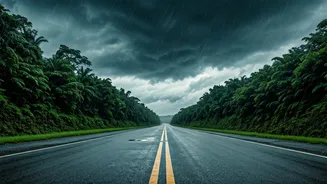
Under the deluge, the pristine highway dissolves into a gauntlet. The rain is so thick that visibility can drop to just a few car lengths. Windshield wipers, even on their highest setting, struggle to keep up, smearing a curtain of water that distorts the road ahead. Giant trucks, colorfully painted and overloaded, become ghostly silhouettes that emerge from the gray with alarming speed. The biggest challenge, however, lies beneath. The smooth asphalt hides its new imperfections. Potholes, submerged under inches of murky water, become invisible traps waiting to swallow a tire. Low-lying sections of the highway can become waterlogged, forcing traffic to slow to a crawl as vehicles wade through impromptu rivers. On this four-lane expressway, you’ll find yourself sharing the journey not just with cars and trucks, but with tractors hauling farm goods and three-wheeled auto-rickshaws that seem perilously unsuited for the conditions. This is where patience ceases to be a virtue and becomes a non-negotiable tool for survival. Honking, weaving, and aggressive driving yield no advantage—they only increase the risk. The road demands you slow down, pay attention, and accept its new, slower rhythm.
Forced Stops and Unexpected Joys
The reward for this enforced patience is a more authentic connection to the place. When the rain becomes too intense to drive, the only option is to pull over. This is when the magic happens. You might find yourself at a roadside dhaba—a simple, open-air eatery—huddled under a tin roof, listening to the roar of the downpour. The forced stop becomes an opportunity. You order a small, steaming glass of sweet chai and a plate of hot, crispy pakoras (fried vegetable fritters). Suddenly, you’re not just a traveler passing through; you are a participant in a shared experience. You watch as a family on a scooter pulls over, laughing as they dash for cover, their brightly colored saris drenched. You see truck drivers, masters of this road, sharing stories over their own cups of tea. These are the moments a hurried journey would miss. The monsoon forces you to abandon your schedule and submit to a greater force, and in that submission, you find small, unexpected joys and a deeper appreciation for the resilience and warmth of the people who call this region home.