
The Snack You've Never Heard Of
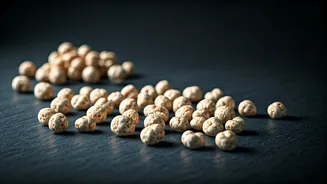
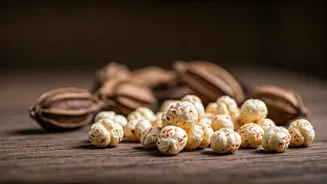
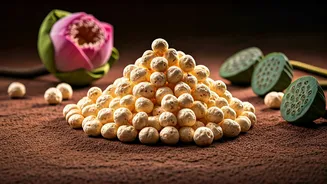
First, let's clear up the confusion. Makhana are often called fox nuts or lotus seeds, but they don't come from a lotus flower. They are the seeds of the prickly water lily (Euryale ferox), a plant that grows in the stagnant ponds and wetlands of Asia.
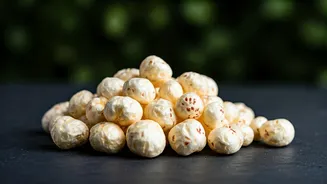
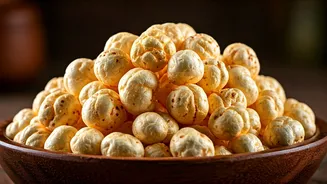
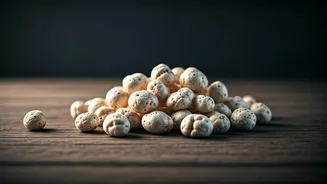
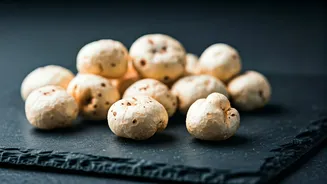
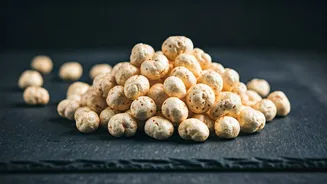
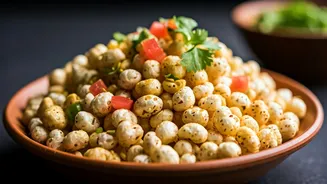
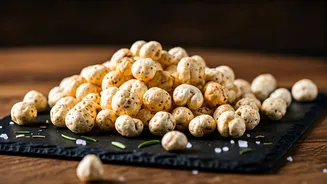
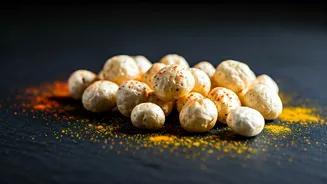
Once harvested, these tiny black seeds are dried, roasted at high heat, and cracked open. The heat causes the kernel inside to pop and expand into a light, airy, and wonderfully crunchy puff, similar in texture to a cheese puff or a piece of unseasoned popcorn. On their own, they have a subtle, neutral, and slightly earthy flavor, making them a perfect blank canvas for spices, seasonings, or even a sweet caramel coating.
From Bihar's Ponds to Your Pantry
For centuries, makhana has been a humble staple in the Mithila region of Bihar, a state in eastern India that accounts for nearly 90% of the world's production. The harvesting process is incredibly labor-intensive. Farmers wade through murky, waist-deep water, gathering the thorny seed pods from the pond floor. The seeds are then cleaned, dried, graded by hand, and roasted in hot sand-filled pans—a traditional technique passed down through generations. This deep cultural connection and unique origin were officially recognized in 2022 when 'Mithila Makhana' was granted a Geographical Indication (GI) tag. Much like Champagne from France or Parmesan from Italy, this tag certifies its authenticity and protects the livelihood of the thousands of families involved in its cultivation.
Why It's the Ultimate 'Superfood Snack'
The real reason makhana is having a moment is that it perfectly aligns with modern wellness trends. Think of it as the snack you don't have to feel guilty about. Makhana is naturally gluten-free, low in calories, and has a low glycemic index, making it suitable for diabetics. It's packed with plant-based protein, fiber, and essential minerals like magnesium, which is crucial for muscle and nerve function. Unlike popcorn, which often comes drenched in butter and salt, makhana is traditionally roasted without oil, giving it a lower fat content. This impressive nutritional resume makes it an ideal choice for anyone seeking a satisfying crunch without the usual junk-food consequences. It's the rare snack that's both deeply traditional and perfectly suited for the 21st-century health-conscious consumer.
The Modern Glow-Up
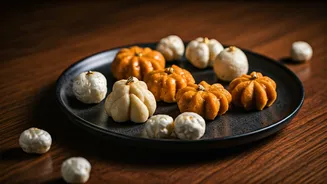
While makhana has long been used in India for religious fasting rituals or as a component in savory curries and sweet puddings, its recent transformation into a branded, ready-to-eat snack is what's driving its global popularity. Entrepreneurs in India began packaging and flavoring the puffs, turning a regional commodity into a chic, modern product. Now, you can find makhana in flavors ranging from classic salt and pepper to more adventurous options like peri-peri, cheddar cheese, and chocolate. This evolution has helped it cross over from Indian grocery stores into the aisles of mainstream American retailers like Whole Foods and Trader Joe's, and it's a fixture on Amazon. It's no longer just a food; it's a versatile snack platform, ready to be seasoned, sold, and enjoyed by a new generation of snackers worldwide.