


Beyond the Postcard Image
It’s easy to see why the Andaman and Nicobar Islands have become a bucket-list destination. Radhanagar Beach on Havelock Island (officially Swaraj Dweep) consistently ranks among the world’s most beautiful. The diving and snorkeling opportunities are
sublime, with clear waters and vibrant marine life. But to travel here solely for the beaches is to read only the cover of a very complex and profound book. This is a place of staggering ecological fragility, deep historical trauma, and, most critically, home to some of the planet’s last uncontacted and semi-contacted Indigenous peoples. A truly great trip to the Andamans requires not just a plan for relaxation, but a plan for responsible engagement with its sensitive realities.
The Human Boundary: Respecting Tribal Sovereignty
This is the most important, non-negotiable rule of Andaman travel. The islands are home to several Indigenous groups, including the Jarawa, who have limited contact with the outside world, and the Sentinelese, who remain isolated and hostile to outsiders. For decades, tourists engaged in deplorable “human safaris” along the Andaman Trunk Road, which cuts through the Jarawa Tribal Reserve, tossing food and gawking at tribe members. Today, Indian law strictly forbids any attempt to contact, photograph, or interact with these tribes. The road has protective measures, but the ethical obligation is on you. Do not seek out these communities. Do not travel with any operator who even hints at such an experience. Respecting their isolation is a matter of their survival, protecting them from diseases to which they have no immunity and preserving their cultural autonomy. Their existence is not a tourist attraction.
A Fragile Underwater Kingdom
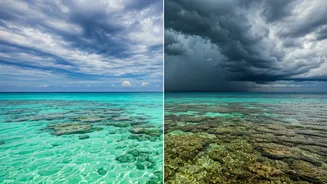
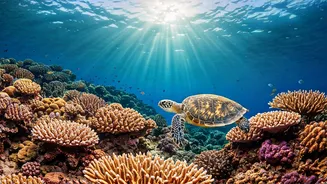
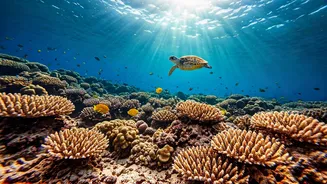
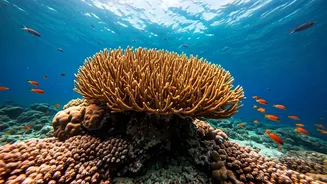
The coral reefs surrounding the islands are the main event for many. They are kaleidoscopic wonderlands teeming with fish. But they are also extraordinarily fragile ecosystems under threat from climate change, coral bleaching, and irresponsible tourism. When you book a snorkeling or diving trip, vet your operator. Do they have clear environmental guidelines? Do they forbid touching coral or marine life? Do they use proper anchoring techniques to avoid damaging the reef? Choose companies with a demonstrated commitment to conservation. Opt for reef-safe sunscreen, as common chemical ingredients can be devastating to coral. The future of this underwater paradise depends on the cumulative choices of every single visitor.
The Weight of a Dark History
The capital, Port Blair, isn’t just a transit hub; it’s a site of immense historical significance. The Cellular Jail, known as Kala Pani or “Black Water,” was a colonial prison used by the British to exile and torture Indian independence activists. A visit here is a sobering and essential part of understanding the islands’ place in the Indian national consciousness. The light-and-sound show, while a bit theatrical, powerfully narrates the stories of the political prisoners who suffered and died within its walls. Visiting the jail reframes the Andamans not as a detached utopia, but as a place deeply woven into the fabric of modern India’s struggle for freedom. It adds a layer of gravitas that a simple beach holiday lacks.
Smarter Island Hopping
Most travelers stick to the well-trodden circuit of Port Blair, Havelock (Swaraj Dweep), and Neil (Shaheed Dweep). While beautiful, these islands bear the brunt of tourism. Consider exploring slightly further afield to less-crowded but permissible destinations like Long Island or Diglipur in the north. This helps distribute the economic benefits and environmental pressure of tourism. Wherever you go, prioritize eco-friendly accommodations—lodges that manage waste responsibly, conserve water, and employ local staff. A little research can lead you to a more authentic and sustainable experience, away from the biggest crowds and contributing more directly to the communities that call these islands home.