

The Desert We Think We Know
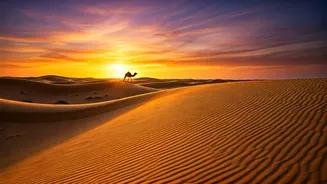
For travelers, Jaisalmer has long been synonymous with one thing: the Thar Desert in all its magnificent, arid glory. Known as the “Golden City,” its identity is fused with the sweeping sand dunes that surround it. The classic Jaisalmer experience involves
a bumpy camel safari deep into the Sam or Khuri dunes, where you watch the sun burnish the landscape in shades of orange, red, and gold. It’s a vision of stark, powerful beauty—a world seemingly defined by the absence of water and life-sustaining green. For decades, tourists have flocked here during the cooler, drier months from October to March to experience this iconic landscape. The expectation is set: sand, sun, and solitude. Anything else would seem like a trick of the light, a desert mirage born from heat and hope.
An Unbelievable Transformation
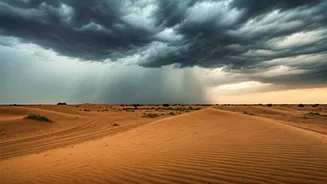
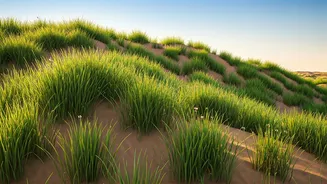
But visit during the monsoon season, typically from July to September, and you might not recognize the place. The very dunes that were barren and golden just weeks before can be found blanketed in a delicate, yet vibrant, carpet of green. This isn't a mirage. The landscape, once a study in monochrome, becomes a breathtaking tapestry of contrasting colors: the soft green of new life against the foundational gold of the sand. Local wildlife, often scarce, emerges to feast on the sudden bounty. Peacocks strut across the verdant slopes, and desert foxes and chinkara gazelles find renewed sustenance. For the uninitiated visitor, the sight is utterly confounding. It’s a desert, but it’s alive with the kind of lushness you’d expect in a meadow, creating a surreal and unforgettable spectacle.
The Science of the Green Carpet
This remarkable phenomenon is a testament to nature’s resilience. The greening of the dunes is not caused by magic, but by biology and meteorology working in perfect concert. Buried beneath the sand, the seeds of incredibly hardy, drought-resistant grasses and small shrubs lie dormant for most of the year. These are not delicate plants; they are survivors, adapted over millennia to the harsh desert climate. Species like Lonavala grass (*Cenchrus biflorus*), locally known as *bhurat*, are masters of patience. When the monsoon rains finally arrive, they provide just enough moisture to trigger germination. Within days, these seeds spring to life, sending up shoots that quickly anchor themselves and cover the dunes in a soft, green fuzz. It’s a rapid, opportunistic explosion of life, seizing the brief window of opportunity before the intense sun and heat return.
A Fleeting, Fragile Spectacle
The very thing that makes the green dunes so special is also what makes them so rare for most visitors: their ephemeral nature. This verdant paradise is a fleeting affair. The green carpet lasts only as long as the moisture does, typically for a few weeks during and immediately after the peak of the monsoon. As the rains recede and the scorching desert sun reclaims its dominance, the grasses wither, turning a pale yellow before disintegrating back into the sand. The seeds for the next generation are left behind, ready to wait another year—or longer, if the monsoon is weak—for their brief moment of glory. This fleeting beauty adds a layer of profoundness to the experience. You are not just seeing a landscape; you are witnessing a moment in a delicate, life-or-death cycle that plays out every year.
A New Reason to Visit
For years, the monsoon was considered the “off-season” in Jaisalmer, a time when tourism ground to a halt. But as images and stories of the green dunes have spread, that perception is beginning to change. Intrepid travelers and photographers are now timing their visits to coincide with the rains, eager to witness this alternate vision of the Thar Desert. It offers a completely different experience—cooler temperatures, dramatic skies, and a landscape pulsing with life. It’s a reminder that destinations we think we know can still hold profound surprises. Seeing Jaisalmer’s dunes cloaked in green is to see the desert not as a barren wasteland, but as a dynamic ecosystem, patiently waiting for its chance to bloom.