

The Nostalgia Economy
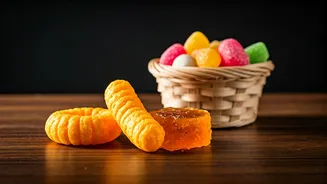
The driving force behind this movement is simple: Millennials and older Gen Z-ers who grew up on Lunchables, Gushers, and Dunkaroos now have adult money. They are the first generation to wield their consumer power through a lens of powerful, digitally-fueled
nostalgia. This isn't just about buying a snack; it's about buying back a feeling—the uncomplicated joy of an after-school treat or a Saturday morning cartoon marathon. Marketers understand this deeply. They know that a familiar flavor profile can trigger a potent emotional response, creating an instant connection to a product. By reviving these old-school tastes, brands are tapping into a pre-existing emotional reservoir. The consumer isn’t just paying for ingredients; they’re paying for a comforting trip back in time, a small, edible escape from the complexities of adult life.
From Guilty Pleasure to 'Better-For-You'
The twist, of course, is that while we crave the flavors of our youth, our adult sensibilities about health and wellness have changed dramatically. The original snacks were often a cocktail of high-fructose corn syrup, hydrogenated oils, and artificial dyes with names you couldn't pronounce. The new premium versions perform a clever bait-and-switch. They keep the nostalgic form factor and flavor profile but give the ingredient list a complete makeover. Think of brands like Magic Spoon, which reimagines sugary cereals with high protein and zero sugar. Or consider the countless 'puffs' and 'crackers' made from cauliflower or chickpeas that directly mimic the shape and texture of Cheetos and Goldfish. This allows consumers to indulge without the guilt. It’s the perfect compromise: the comforting taste of junk food, but with a nutritional profile that aligns with modern, health-conscious values.
The Instagram-Ready Unboxing
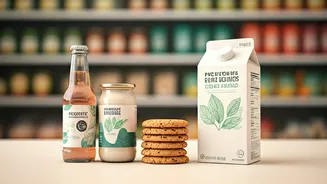
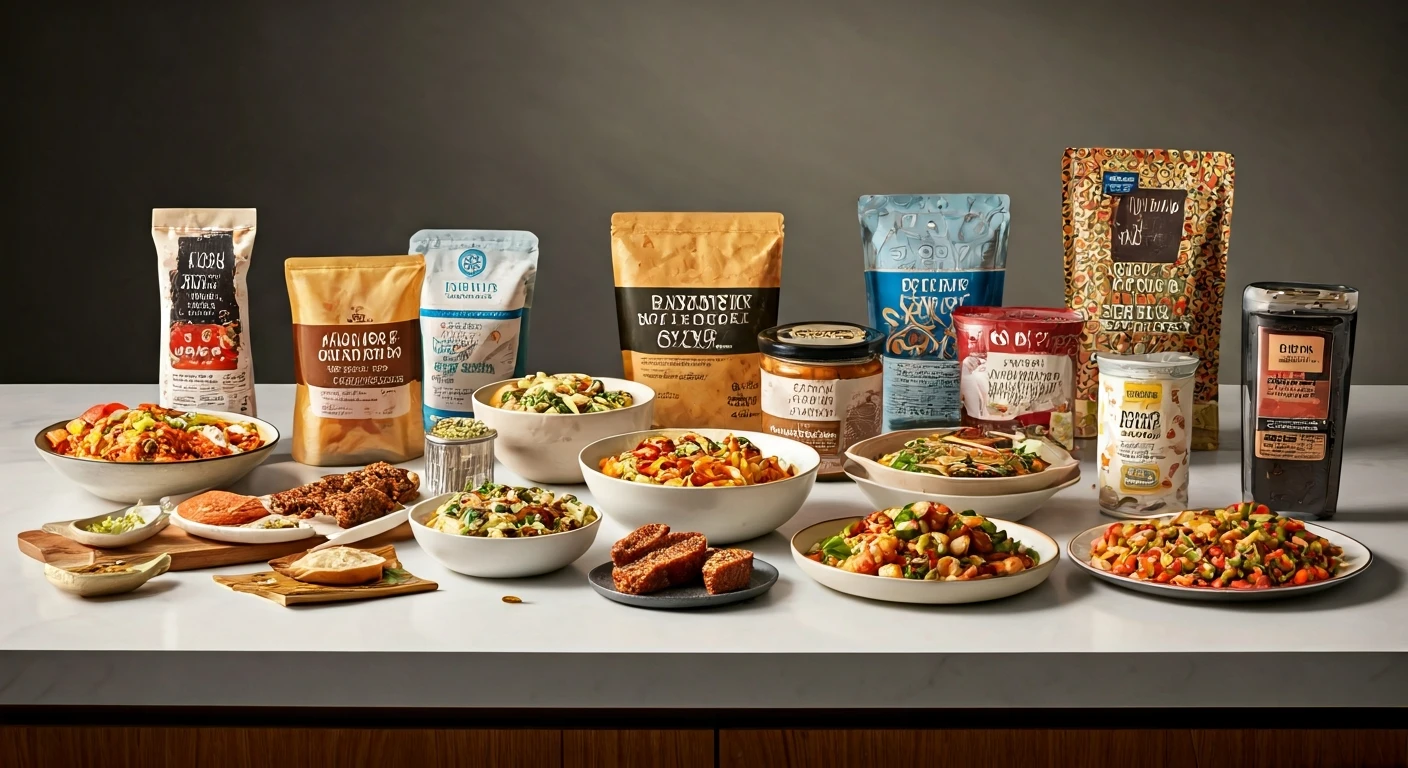
The transformation isn't just internal; it’s a masterclass in rebranding. The loud, cartoonish packaging of the '90s has been replaced by minimalist design, matte finishes, and sophisticated typography. The old snacks were designed to scream for a child's attention in a crowded grocery aisle. The new snacks are designed to look beautiful on a kitchen counter or in a curated Instagram post. This aesthetic shift is crucial. It elevates the product from a cheap commodity to a status symbol. Unboxing a sleek, direct-to-consumer package of high-end, faux-Pop Tarts from a brand like A-Sha feels different from tearing open a foil pouch. It signals that you are an adult with discerning taste who still knows how to have fun—a core part of the Millennial identity. The packaging makes the high price point feel justified; it’s not just a snack, it’s an experience.
A New Definition of Comfort Food
Ultimately, the rise of the premium old-school snack is about the evolution of comfort food itself. In a world of constant stress and uncertainty, particularly in the wake of the pandemic, the demand for comfort has skyrocketed. But the definition of comfort has been upgraded. We no longer want to feel bad about the things that make us feel good. This trend perfectly marries two powerful cultural currents: the yearning for nostalgic simplicity and the aspirational drive for self-improvement and wellness. These snacks offer a permission slip to indulge, reassuring us that we can have the comforting flavors we remember without compromising the healthier lifestyle we aspire to. They aren't just a snack; they are a form of edible self-care, a small, delicious, and beautifully packaged way to have our (healthier) cake and eat it, too.