




The Summer Comfort Food Paradox
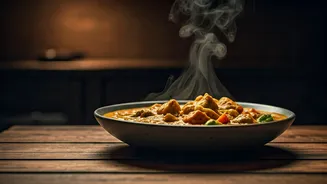
Think of the pillars of Desi comfort cuisine: a velvety dal makhani slow-cooked for hours with butter and cream; a fragrant lamb biryani, rich with ghee and spices; a deep, warming bowl of chicken korma. These are dishes that nourish the soul, designed
to envelop you in a hug of flavor and warmth. But when the July sun is beating down and the humidity is thick enough to swim through, a heavy, cream-laden curry can feel less like a hug and more like a weighted blanket you can’t escape. This is the classic comfort food paradox. The dishes we associate with home, celebration, and satisfaction are often fundamentally at odds with the weather for a solid third of the year. For decades, the answer was simply to wait for fall or to brave the heat-induced food coma. But a new generation of South Asian-American chefs is rewriting the rules, refusing to relegate their most beloved flavors to the colder months. They’re asking a simple but revolutionary question: what if comfort food could be refreshing?
Innovation Meets Tradition
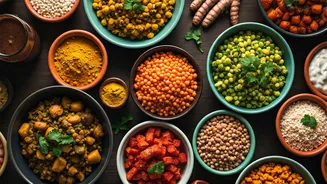
The magic of this trend isn’t about stripping away what makes a dish great. It’s about smart, creative substitutions and a shift in technique that honors the original flavor profile while making it summer-appropriate. The heavy cream that defines dishes like butter chicken or malai kofta is being swapped for thick, tangy Greek yogurt, whipped cashew cream, or even a splash of coconut milk, providing creaminess without the weight. Ghee and oil are used more judiciously, with chefs leaning on high-heat grilling, searing, and roasting to build flavor instead of relying solely on a rich, slow-cooked sauce. Perhaps the biggest shift is a full-throated embrace of seasonality. Instead of the traditional potatoes and cauliflower, summer menus are bursting with grilled corn, blistered cherry tomatoes, sweet peas, and tender zucchini, all folded into familiar spice blends. Fresh herbs are no longer just a garnish; they’re a core component. A shower of fresh mint, cilantro, and dill can cut through richness and add a cooling, vibrant note that instantly lightens a dish. It’s a technique that feels both modern and deeply traditional, echoing the regional variations across the subcontinent that have always been tied to local, seasonal produce.
The Classics, Reimagined
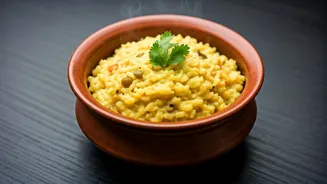
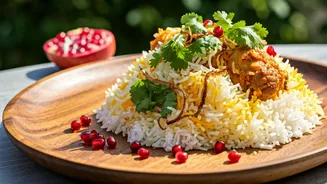
Across the country, this movement is taking delicious forms. The hearty, fried samosa is being deconstructed into a lighter “samosa chaat” salad, with crispy baked pastry chips, spiced chickpeas, and a drizzle of yogurt and tamarind-mint chutney. Instead of a heavy, layered biryani, chefs are creating pilafs with lighter grains like quinoa or barley, studded with summer vegetables and topped with grilled tandoori-spiced chicken or shrimp. Even the humble dal is getting a makeover. While the dark, creamy dal makhani goes into hibernation, its sunny cousin, dal tadka, takes center stage. Made with quicker-cooking yellow lentils, it’s finished with a *tadka* (a tempering of spices in hot oil or ghee) that might include mustard seeds, cumin, and fresh curry leaves, offering a burst of flavor that feels bright and energetic. Similarly, kebabs are moving from the heavy curry pot to the open flame of the grill, served not with heavy bread but alongside a crisp, refreshing kachumber salad of chopped cucumber, tomato, and onion.
More Than Just a Summer Fling
This lightening of Desi classics isn’t just a seasonal gimmick; it’s a sign of a cuisine hitting its stride in America. It reflects a growing confidence among chefs to play with tradition, to infuse their personal stories and their American context into the food of their heritage. They are moving beyond the “canon” of dishes expected by Western diners and are creating food that is more personal, more adaptable, and more in tune with the way Americans eat today—with an emphasis on freshness, vegetables, and balance. This evolution proves that South Asian food is not a monolith. It’s a dynamic, living culinary tradition that can be both deeply authentic and brilliantly innovative. By adapting comfort classics for the summer, these chefs are doing more than just creating delicious, weather-appropriate food. They are expanding the very definition of what Desi food can be, ensuring its flavors are craved and celebrated all year long.