

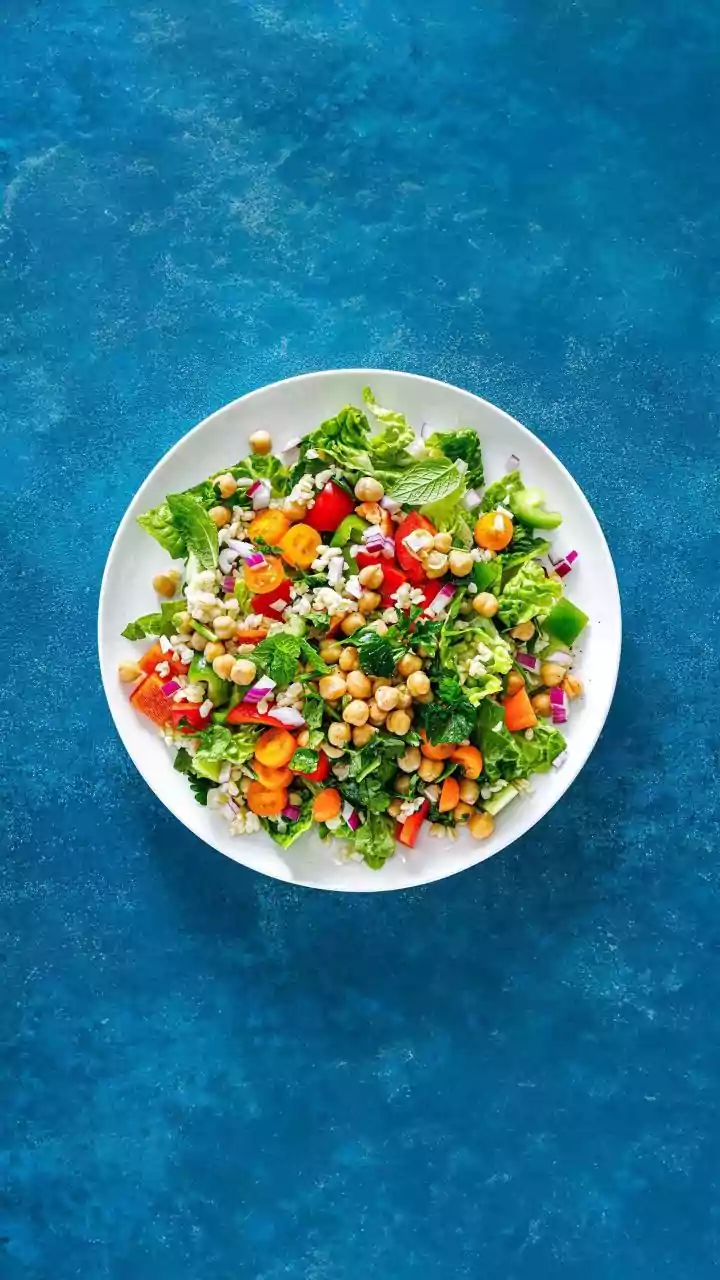






Week 1: Hydrate and Add, Don't Subtract
The first week is all about building a foundation without feeling deprived. Forget about what you *can't* have and focus on what you can *add*. Your two primary goals are simple. First, focus on hydration. Aim to drink a glass of water before each meal
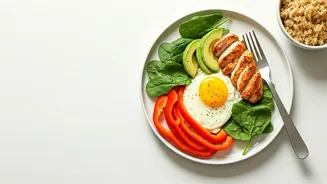
and replace at least one sugary beverage (soda, sweetened iced tea, fancy coffee drink) with plain water, sparkling water, or unsweetened herbal tea each day. Many people mistake thirst for hunger, and proper hydration can improve energy levels and curb unnecessary snacking. Second, add one serving of vegetables to every lunch and dinner. It doesn't have to be complicated. It can be a side of baby carrots, a handful of spinach tossed into your pasta sauce, or some sliced bell peppers with your sandwich. The goal isn’t a radical diet overhaul; it's about making small, positive additions that will naturally start to crowd out less nutritious choices.
Week 2: Prioritize Protein and Mindful Moments
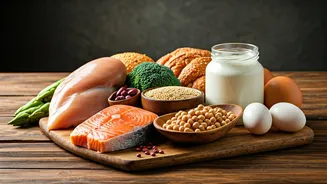
Now that you've established a baseline, it's time to focus on satiety and awareness. This week's goal is to include a source of lean protein with every meal. Protein is crucial for feeling full and satisfied, which helps regulate appetite and prevent energy crashes. Think eggs at breakfast, grilled chicken or beans in your salad at lunch, and fish or tofu for dinner. This simple shift can make a huge difference in managing cravings throughout the day. Your second task is to practice mindful eating for at least one meal a day. This means putting away your phone, turning off the TV, and paying attention to your food. Chew slowly. Savor the flavors and textures. Notice your body’s signals of fullness. This isn’t about calorie counting; it's about reconnecting with your body's natural hunger cues and building a healthier relationship with food.
Week 3: Smarten Up Your Snacks
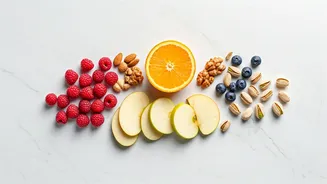
The afternoon slump is real, and it’s often when we reach for highly processed, sugary snacks that offer a quick burst of energy followed by a crash. This week, the challenge is to swap out your go-to processed snacks for whole-food alternatives. Before you reach for the chips or cookies, have a plan. Stock your desk, bag, or pantry with better options. This could be an apple with a tablespoon of peanut butter, a small handful of almonds, a Greek yogurt, or a hard-boiled egg. The key is to have these items readily available so that when hunger strikes, the healthy choice is also the easy choice. You don’t have to banish your favorite treats forever, but by consciously choosing a whole-food snack most days, you'll provide your body with more stable energy and valuable nutrients.
Week 4: Plan for Success and Listen to Your Body
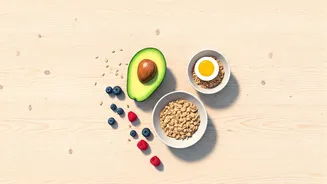
In the final week, we bring it all together by focusing on planning and self-compassion. Your main task is to reduce decision fatigue by planning ahead. You don't need a complex, color-coded spreadsheet. Just take 15 minutes on Sunday to jot down a few meal ideas for the week ahead and create a corresponding grocery list. This small act of preparation prevents the last-minute panic that often leads to takeout or processed meals. As you implement this, also practice listening to your body. Did a meal leave you feeling sluggish? Or energized? Are you eating because you're hungry or because you're bored or stressed? This challenge isn't about rigid rules. It's about learning what works for *your* body. If you miss a day or have a less-than-perfect meal, don't worry. The goal is progress, not perfection.