
The New Recipe for Success
For years, the pinnacle of Indian dining outside of India was often a formal, fusion-heavy affair, while inside the country, the most revered food was found at home or in old-school institutions. That’s changing, and fast. The current “glow-up” is fueled
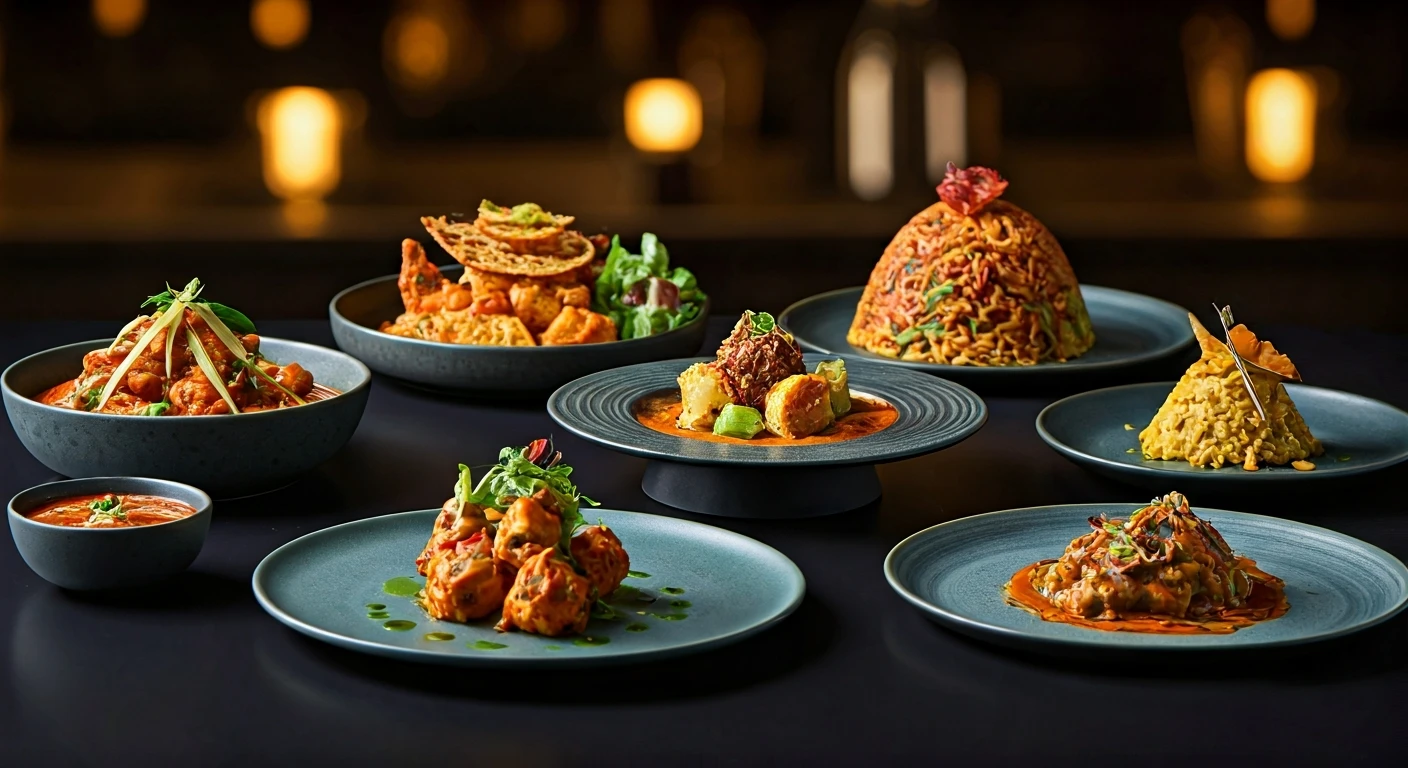
by a perfect storm of factors. A booming economy has created a new class of discerning diners with disposable income and global tastes. Young Indians who have traveled or lived abroad are returning, bringing with them an appreciation for international dining concepts—from small-plate bars to chef’s-table experiences. Crucially, this isn’t about mimicking the West. Instead, it’s about applying modern techniques and a new sense of pride to hyper-local ingredients and forgotten regional recipes. Chefs are becoming storytellers, excavating culinary traditions from their own backyards and presenting them with confidence and flair. The result is a dining landscape that is dynamic, creative, and unapologetically Indian.
Mumbai: The Coastal Vanguard
If there’s a ground zero for this movement, it’s Mumbai. As India's financial and entertainment hub, the city’s energy is palpable in its restaurants. The scene is less about quiet fine dining and more about buzzing, high-energy spaces that are both accessible and ambitious. Trailblazers like The Bombay Canteen redefined the game by creating a stylish, retro-chic café celebrating regional and seasonal Indian food in a fun, shareable format. It made Indian food cool for Indians themselves. Now, you see this spirit everywhere. You can find places like Masque, an ingredient-driven restaurant in the heart of the city that champions a tasting-menu-only concept focused on produce from the Himalayas and beyond, earning it a top spot on Asia’s 50 Best Restaurants list. The city's bars are also in on the act, swapping out imported spirits for craft gins infused with Indian botanicals and creating cocktails with local flavors like kokum and tamarind. In Mumbai, the restaurant isn't just a place to eat; it's the main event.
Delhi: A Modern Take on Tradition
While Mumbai buzzes with what's new, Delhi’s glow-up is rooted in its deep, layered history. As the former seat of the Mughal Empire, the capital has a formidable culinary legacy. The challenge for chefs here is to innovate without disrespecting tradition. And they are rising to it spectacularly. The most famous example is Indian Accent, a restaurant that has consistently been ranked among the world's best. Chef Manish Mehrotra’s approach is to take familiar Indian flavors and present them in wildly inventive ways—think blue cheese naan or a street-food classic deconstructed into a fine-dining masterpiece. This playful but respectful approach has given other chefs permission to experiment. Now, you see modern restaurants reinterpreting hearty North Indian and Mughlai classics, lightening them up, and presenting them in contemporary, art-filled dining rooms. It’s a scene that proves tradition doesn't have to be a straitjacket; it can be a launchpad for creativity.
Bengaluru and Beyond: The Next Frontiers
This culinary renaissance isn’t confined to the two biggest metros. It’s a nationwide story. In Bengaluru, India’s tech capital, a young, globally-minded population is hungry for new experiences. The city’s pleasant climate has fostered a thriving farm-to-table scene, with restaurants boasting their own organic gardens and championing local farmers. The focus here is often on the diverse and often-overlooked cuisines of South India, moving far beyond the standard dosa and idli. In Goa, the laid-back beach state, a new crop of chefs are opening intimate, design-forward restaurants that celebrate the region's unique Portuguese-influenced seafood traditions. Even in cities like Kolkata and Chennai, young entrepreneurs are opening cafes and bistros that champion local ingredients, from Bengal's gondhoraj lime to Tamil Nadu's unique rice varieties. This city-by-city blossoming is the most exciting part of the story, creating a rich tapestry of distinct culinary identities across the subcontinent.