

The New Definition of Easy
The biggest barrier for aspiring plant parents has always been the fear of failure. We’ve all heard horror stories of finicky fiddle-leaf figs dropping leaves at the slightest inconvenience. But the industry has responded by popularizing a new class of nearly
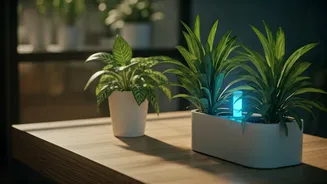
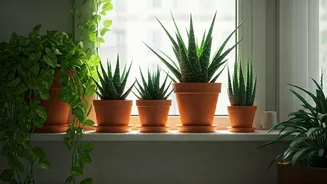
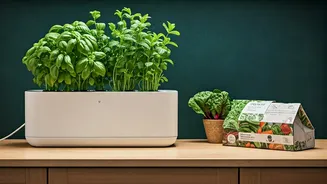
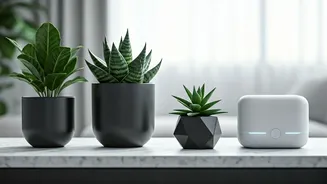
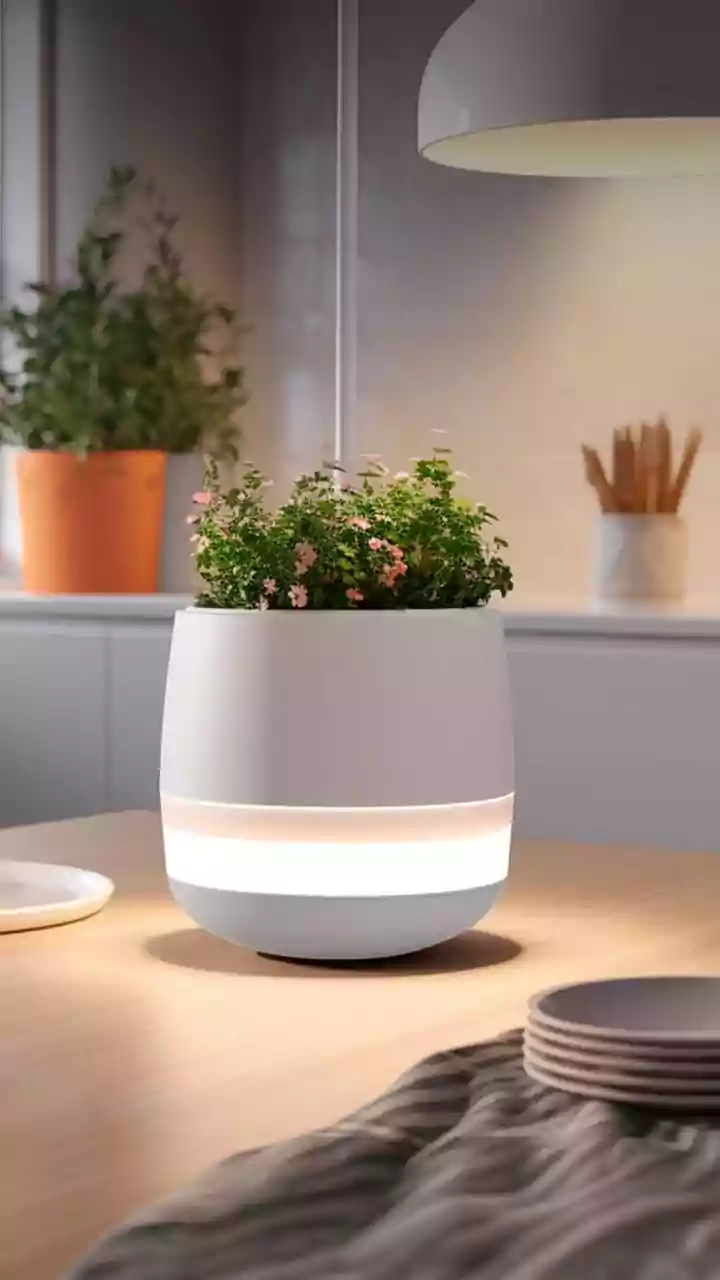
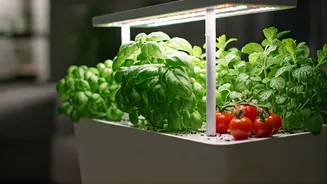
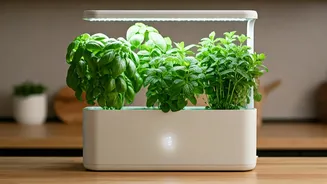
indestructible starter plants. Varieties like the ZZ plant (Zamioculcas zamiifolia) and the snake plant (Dracaena trifasciata) thrive on neglect, tolerating low light and infrequent watering. They’re so forgiving, you almost have to try to kill them. Beyond just resilient species, technology has stepped in to automate the tricky parts. Self-watering planters, once a clunky novelty, are now sleek, stylish, and highly effective. They use a reservoir system that allows the plant to wick up water as needed, eliminating the constant guesswork of 'is it thirsty or am I drowning it?' For city dwellers in darker apartments, affordable, full-spectrum LED grow lights mean you can now successfully grow a sun-loving cactus in a north-facing room. Even our phones are getting in on the act, with apps that identify your plant, diagnose problems, and send watering reminders.
A Cleaner, Soil-Free Future
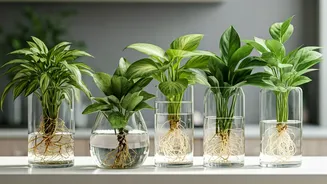
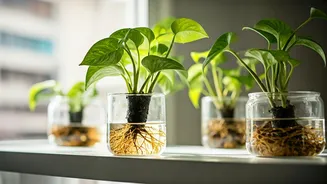
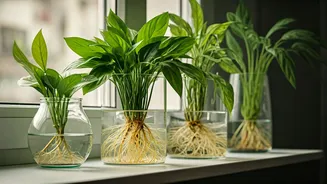
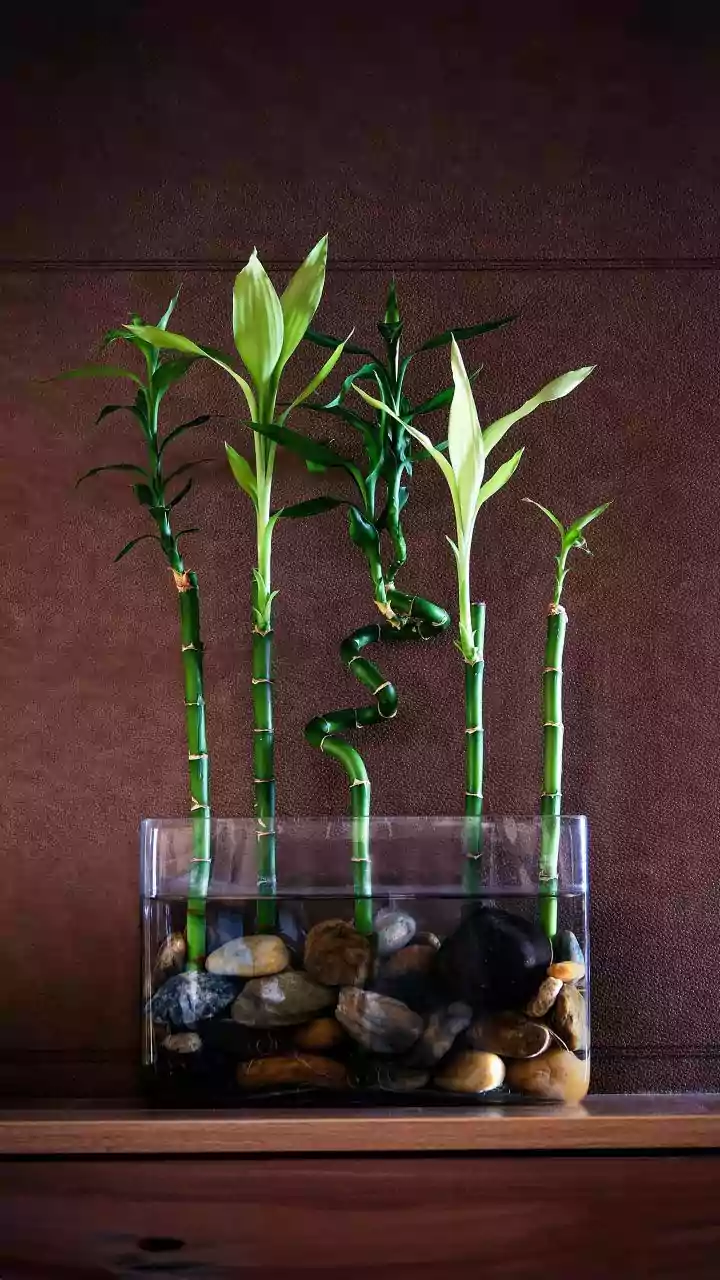
For many, the mess is a major deterrent. Bags of potting soil on the apartment balcony, dirt under the fingernails, and the dreaded arrival of fungus gnats are common complaints. This is where the 'cleaner' revolution comes in. A growing movement is embracing soil-free and semi-hydroponic setups. The star of this trend is LECA, or Lightweight Expanded Clay Aggregate. These small, porous clay balls replace soil entirely. You simply place your plant’s rinsed roots among the pebbles in a pot designed for semi-hydroponics. The benefits are immediate. With no organic soil, there's nothing for common pests like fungus gnats to feed or breed in. There’s no messy repotting, just a quick rinse and a new container. Watering becomes incredibly simple: you just keep a small reservoir of water at the bottom of the pot, which the clay balls wick up to the roots. It provides a more stable, clean, and controlled environment for your plants, and a tidier one for you.
The Rise of the 'Cute' Collector's Plant
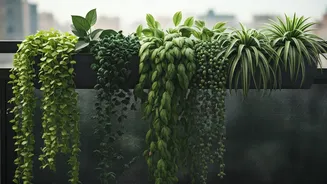
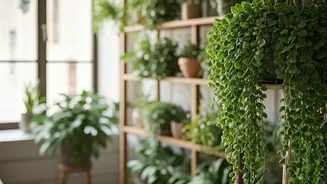
A plant is no longer just a plant; it's a piece of living decor. The aesthetic aspect, or the 'cuteness' factor, has exploded, driven largely by social media platforms like Instagram and TikTok. While a simple green pothos is still a classic, collectors and casual growers alike are seeking out plants with unique visual appeal. This demand has pushed growers to cultivate stunning and unusual varieties. Think of the explosive popularity of the Monstera Albo, with its dramatic white-and-green variegated leaves, or the Pink Princess Philodendron, whose foliage is splashed with vibrant pink. Trailing plants with whimsical shapes, like the 'String of Pearls' or 'String of Hearts,' have become must-haves for their shelf-draping beauty. Even common plants are getting a 'cute' makeover, with an endless array of novelty pots shaped like animals, faces, and abstract sculptures. This focus on aesthetics has turned plant care from a simple chore into a creative hobby in curation and interior design.
Finding Your First Green Friend
The convergence of these three trends—easier care, cleaner methods, and cuter aesthetics—has lowered the barrier to entry for everyone. You no longer need a sprawling home with perfect lighting or a degree in botany to succeed. You can start with one nearly-unkillable snake plant in a stylish self-watering pot and see how it feels. You don't have to go all-in on a complex LECA conversion; you can just appreciate that the option exists if gnats ever become an issue. The key is that the ecosystem of support around houseplants is richer and more user-friendly than it has ever been. From the plants themselves to the pots they live in and the digital tools that help us care for them, the hobby is actively inviting novices in, rather than gatekeeping them out.