






The Rise of the 'Daycation'
Forget sneaking into a hotel pool. A growing trend is seeing upscale hotels formally open their gates to non-guests, not just for a quick swim, but for a full day of luxurious lounging. Termed the “daycation,” this isn’t your community pool pass. It’s
a curated experience that packages a hotel's best amenities—stunning pools, plush cabanas, attentive service, and spa access—into a single-day ticket. Tech platforms like ResortPass, Dayuse, and Daycation have emerged as the primary gateways for this new form of accessible luxury. They partner with hundreds of hotels across the country, from chic city-center rooftops to sprawling resorts, allowing users to browse and book a day of bliss with a few clicks. For a fraction of the cost of an overnight stay, you get to live the life of a hotel guest from morning until evening.
More Than Just a Pool
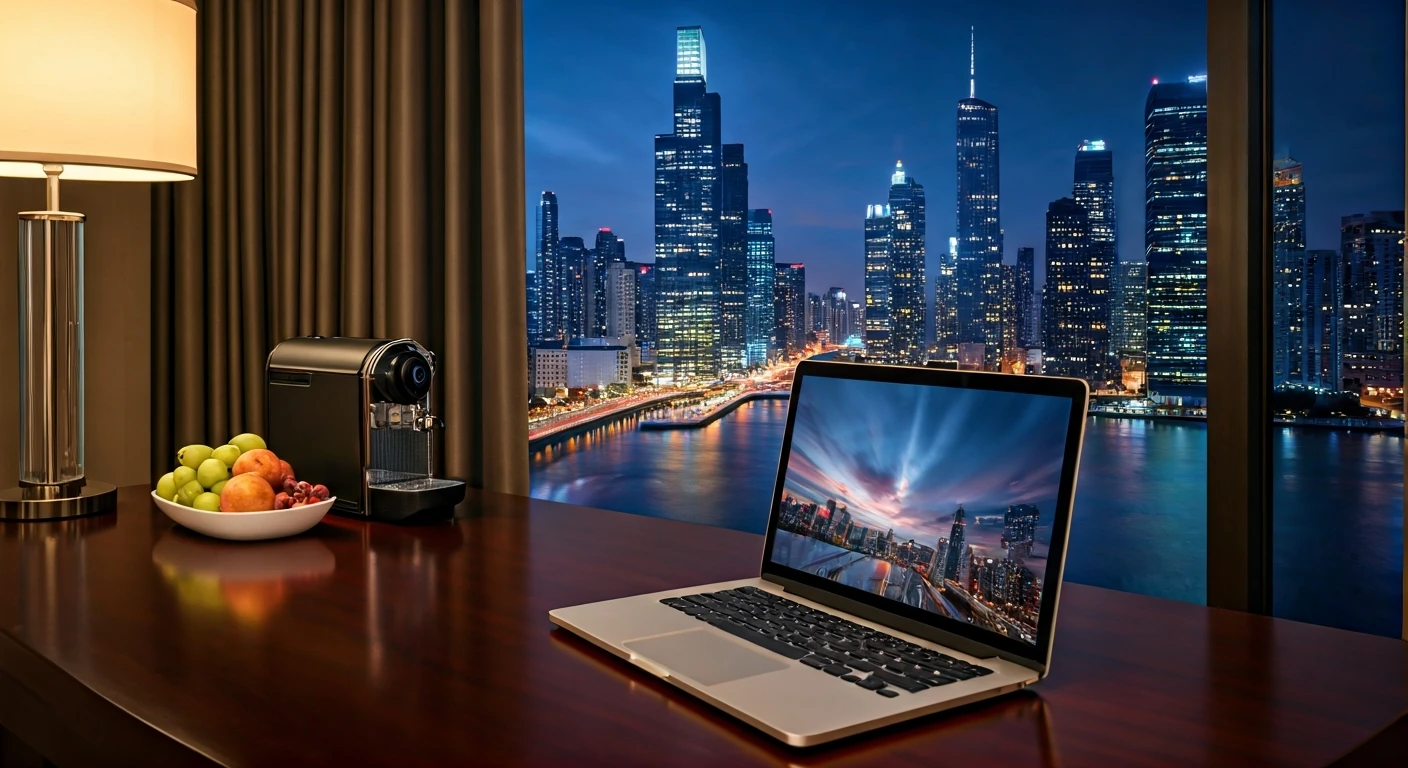
The core appeal of the day pass is the pool, but the best packages offer a comprehensive slice of the resort lifestyle. A basic pass might grant you access to the pool and a lounge chair. However, hotels are getting creative to maximize value and justify the price. Upgraded packages can include a private cabana with dedicated service, a food and beverage credit to spend on poolside cocktails and snacks, or access to the hotel’s fitness center and spa facilities like saunas and steam rooms. Some high-end properties even bundle in perks like complimentary Wi-Fi (perfect for a “work-from-pool” day), valet parking, and discounts on future stays or spa treatments. It’s a strategic move to transform an otherwise empty lounge chair into a memorable, revenue-generating experience that feels like a genuine escape, not just a transaction.
Why Is This Happening Now?
This trend is a perfect storm of post-pandemic consumer behavior and smart business strategy. On the hotel side, it’s about asset monetization. A pool, a gym, or a beautiful lobby bar are expensive to maintain, and on weekdays or during the off-season, they are often underutilized. Selling day passes allows hotels to generate incremental revenue from existing infrastructure without the costs associated with an overnight guest, like housekeeping. For consumers, the appeal is twofold. First, there’s the economic reality. After years of pent-up travel demand, many are facing inflation and tighter budgets, making a $1,500 weekend getaway less feasible. A $75 day pass provides a satisfying hit of escapism without the financial or logistical burden. Second, the rise of flexible and remote work has untethered people from the traditional office, creating a new market for weekday leisure and unique work environments.
What to Expect (and What It Costs)
The experience and cost can vary dramatically depending on the city, the hotel’s star rating, and the day of the week. A simple weekday pass for a mid-tier hotel pool might start around $25-$50. A weekend pass at a premium resort in a major city like Miami or Los Angeles could be closer to $100-$150. For the ultimate indulgence, renting a fully-stocked cabana for a small group can run from $250 to over $500, but when split among friends, it can be a surprisingly affordable luxury. Before booking, it’s crucial to read the fine print. Check the hours of access, what’s specifically included (is towel service complimentary?), and any blackout dates. Look at photos and reviews to ensure the vibe matches your expectations—are you looking for a serene, adults-only oasis or a lively party scene? A little research ensures your mini-holiday is exactly what you hoped for.