





1. Master the 'Shoulder Season'
The secret weapon of savvy travelers is timing. The 'shoulder season'—the period just before and after peak season—is the ultimate sweet spot. For Europe, think May, early June, September, or October. For Caribbean destinations, it might be late spring.
You get the benefit of pleasant weather without the peak-season crowds and inflated prices. Airlines and hotels are competing for business, which means lower fares and better rates on rooms. You’re not just saving money; you’re buying a better experience with fewer people photo-bombing your perfect shot and shorter lines at major attractions.
2. Rethink Your Accommodation
A great stay doesn't always come with a five-star hotel brand attached. The real upgrade is often about space, location, and authenticity. Consider high-quality vacation rentals (like apartments or homes) which often provide more room and a kitchen, saving you a fortune on dining out. Boutique hotels or upscale inns can offer more character and personalized service for less than a large chain. For the truly adventurous, services that facilitate house-sitting can eliminate accommodation costs entirely in exchange for watching over a home and perhaps a pet. The upgrade here is living less like a tourist and more like a local.
3. Become a Flexible Flier
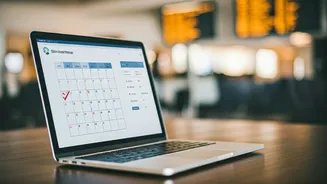
Rigid plans are the enemy of a good deal. If you can be flexible with your travel dates by even a day or two, you can unlock significant savings. Use tools like Google Flights' price graph or calendar view to see the cheapest days to fly in a given month. Flying on a Tuesday or Wednesday is almost always cheaper than on a Friday or Sunday. Similarly, being open to flying out of a secondary airport or into one near your final destination can sometimes slash fares dramatically. Set up price alerts for your desired route and let the deals come to you. The money you save on the flight can be put toward a nicer dinner, a special tour, or a room with a better view.
4. Get Strategic With Points and Miles
You don't need to be a globetrotting executive to make loyalty programs work for you. Start simple. Pick one or two airline alliances and hotel chains to concentrate your efforts on. Using a travel rewards credit card for everyday purchases is the fastest way to accumulate a large balance of points, which can then be redeemed for flights or hotel stays. Many cards come with substantial sign-up bonuses that can be enough for a round-trip domestic flight. The real 'upgrade' comes when you use these points for business-class seats or premium hotel suites—experiences you might never pay for with cash but can absolutely afford with points.
5. Pack Smart, Spend Smart
Unexpected fees are the fastest way to turn a budget-friendly trip into a financial headache. The most common culprit? Airline baggage fees. By packing light and fitting everything into a carry-on, you can avoid charges that can sometimes exceed $100 for a round trip. This discipline also makes you more mobile and flexible once you arrive. Another easy win is bringing a reusable water bottle to refill after security, saving you from buying overpriced plastic bottles. These might seem like small things, but they add up, leaving more cash in your pocket for the experiences that truly matter.
6. Eat Like a Local, Not a Tourist
Food is a huge part of the travel experience, but it doesn't have to be a huge part of your budget. The best meals are rarely found in the restaurants with glossy menus in five languages lining the main square. The upgrade is finding authentic, delicious, and affordable food. Do your research on food blogs, ask your hotel concierge for their personal favorite spot, or simply wander a few blocks away from the tourist center. Look for places with a line of locals. Grabbing lunch from a celebrated food market or a highly-rated food truck often delivers a more memorable and budget-friendly experience than a stuffy, overpriced restaurant.