


An Under-the-Radar Antioxidant Bomb
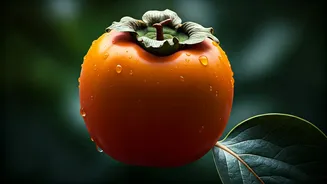
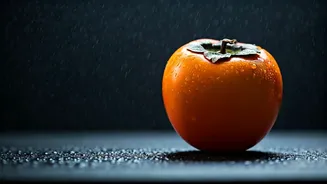
First, let's talk about what makes any food 'super.' It's all about nutrient density, and the persimmon delivers in spades. This glossy, orange fruit is loaded with antioxidants, the compounds that help our bodies fight off cellular damage from free radicals.
It's particularly rich in flavonoids and carotenoids, including beta-carotene, which the body converts into Vitamin A. A single Fuyu persimmon can provide over half of your daily recommended Vitamin A, crucial for vision, immune function, and skin health. It's also a fantastic source of Vitamin C, another immune-boosting powerhouse that helps with collagen production. While other fruits get more press, the persimmon offers a potent, well-rounded antioxidant profile without the exotic price tag.
A Serious Boost for Gut Health
If 'gut health' is the wellness buzzword of the decade, then fiber is its engine. And persimmons are packed with it. One persimmon contains around 6 grams of dietary fiber, which is more than 20% of the daily recommended intake. This isn't just any fiber; it’s a healthy mix of soluble and insoluble types. Soluble fiber helps slow digestion, which can stabilize blood sugar levels and lower 'bad' LDL cholesterol. Insoluble fiber adds bulk to stool, promoting regularity and helping to maintain a healthy digestive tract. As more research connects a healthy gut microbiome to everything from mental health to immunity, high-fiber, whole foods like persimmons are becoming dietary non-negotiables.
The Perfect Natural Sweetener
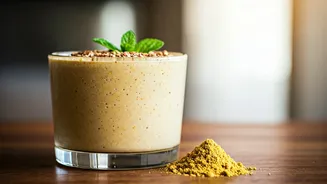
Americans are increasingly looking to reduce their intake of refined sugar, and the persimmon is a perfect culinary ally. When ripe, a Fuyu persimmon has a crisp, sweet flavor without being overpowering, like a hint of cinnamon in an apple. The Hachiya variety, when fully softened to a jelly-like consistency, offers an intensely rich, honey-like sweetness that's incredible in puddings, smoothies, or as a topping for yogurt and oatmeal. This natural sweetness comes with all the fiber and nutrients mentioned before, making it a smarter way to satisfy a sweet tooth. It can be baked into muffins, blended into sauces, or simply roasted to caramelize its sugars, offering a complex flavor that processed sweeteners can't match.
Incredibly Versatile in the Kitchen
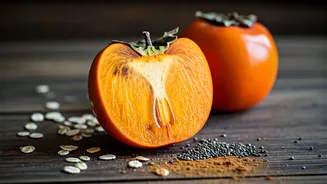
A superfood isn't much use if you don't know what to do with it. Luckily, the persimmon is a chameleon in the kitchen. There are two main types you'll find in U.S. markets. The Fuyu is squat and tomato-shaped, and can be eaten firm and crisp. Slice it into salads for a sweet crunch, chop it into a salsa with cilantro and lime, or arrange it on a charcuterie board where it pairs beautifully with salty cheeses and cured meats. The Hachiya is acorn-shaped and must be eaten when it's completely soft and custardy. Scoop the pulp out and use it in baking as a substitute for pumpkin puree, or blend it into a smoothie for natural creaminess and sweetness. This versatility makes it easy to incorporate into breakfast, lunch, dinner, or dessert.
It’s Simply Ready for Its Close-Up
Let's be honest: in the age of Instagram, aesthetics matter. The persimmon is a beautiful fruit. Its brilliant orange hue adds a pop of color to any dish, making it visually appealing. It’s the color of autumn, signaling warmth and harvest. Beyond its looks, there's a certain charm to its old-fashioned nature. It's not a lab-created supplement or a berry flown halfway around the world; it’s a hardy, seasonal fruit that grows on beautiful trees right here in the U.S., from California to Texas. This combination of visual appeal, seasonal wholesomeness, and a touch of nostalgia makes it the perfect candidate to capture the attention of foodies and wellness enthusiasts looking for something authentic.