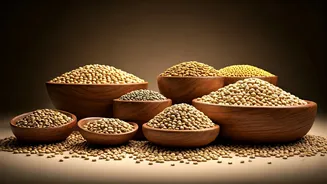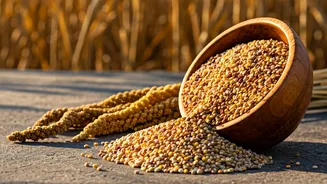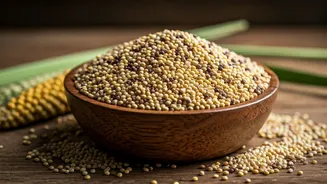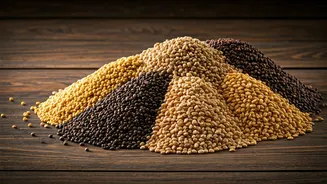


So, What Exactly Is Millet?
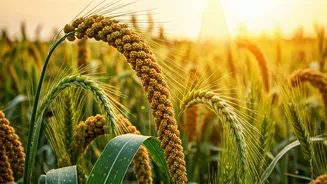
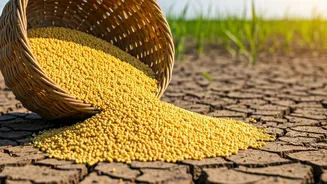
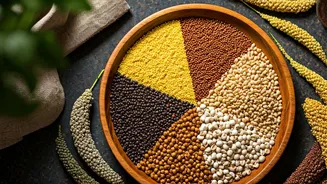
Let's get this out of the way: if your only association with millet is birdseed, you’re not alone, but you’re about to get a major update. Millets aren't a single grain but a group of small-seeded grasses that have been a food staple for millennia across
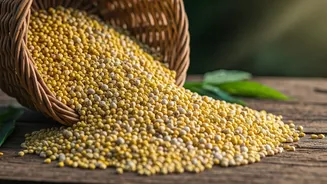
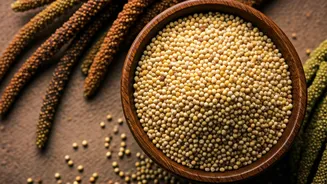
Africa and Asia. Think of them as the indie darlings of the grain world, overshadowed for decades by the blockbuster fame of wheat, corn, and rice. Varieties like foxtail, pearl, and finger millet each have their own unique texture and a mild, slightly nutty or corn-like flavor. They cook up into a fluffy, absorbent base similar to quinoa or couscous, but their true power lies in their versatility. Milled into flour, they can be used for baking; puffed, they add crunch to granola; and cooked whole, they can form the foundation of everything from a savory pilaf to a creamy breakfast porridge.
From Global Initiative to Local Latte
So why are millets suddenly showing up next to the espresso machine? The trend has a powerful catalyst: 2023 was declared the "International Year of Millets" by the United Nations. The goal was to raise awareness of this powerhouse crop's nutritional and agricultural benefits. It worked. Chefs and food innovators, always on the lookout for the next big thing, took notice. The global push provided the backstory and the culinary credibility. For café owners, it’s a perfect storm. They get to introduce customers to something new and exciting while also tapping into a story of global food security and tradition. It’s a narrative that tastes good and feels good to support, turning a simple menu addition into a conversation starter.
The New Menu All-Stars
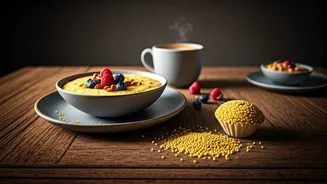
The "flex" isn't just about having millet on the menu; it's about *how* it's being used. Forget boring grain bowls. Creative cafés are showcasing millet’s incredible range. You might find a creamy breakfast porridge made from foxtail millet, sweetened with maple syrup and topped with toasted nuts and fruit—a gluten-free, heartier alternative to oatmeal. Elsewhere, millet flour is transforming baked goods, creating tender, earthy-flavored scones, muffins, and even pancakes. Puffed millet is the new "it" topping for yogurt parfaits and smoothie bowls, adding a satisfying crunch without the high sugar of typical granola. Some ambitious spots are even experimenting with millet-based milk for lattes or incorporating toasted millet into savory tarts and frittatas, proving this grain can play well at any time of day.
The Health and Sustainability Flex
In the era of conscious consumerism, millet is a triple threat. Nutritionally, it’s a champion. Naturally gluten-free, it’s an easy win for a growing dietary demographic. It’s also packed with fiber, protein, and essential minerals like magnesium and iron. From an agricultural standpoint, it’s what’s known as a “climate-smart” crop. Millets are incredibly hardy and drought-resistant, requiring far less water than rice or wheat. In a world increasingly concerned with water scarcity and the environmental impact of our food system, choosing millet feels like a small but meaningful act of sustainability. For a café, putting millet on the menu is a quiet signal to customers: we care about your health, and we care about the planet. That’s a flex that goes far beyond flavor.