



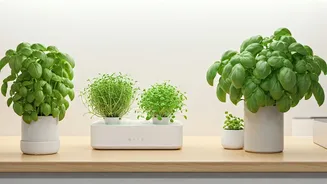
Why These Greens Are Perfect Starters
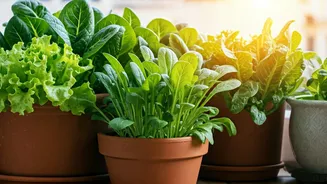
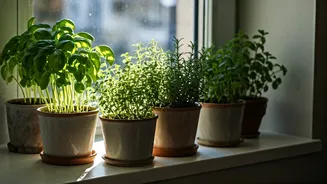
Forget finicky fruit trees or sprawling squash vines. Lettuce, spinach, and herbs are the ideal entry point into urban gardening for a few simple reasons. First, they grow fast. You can go from seed to salad in as little as a month, providing the quick
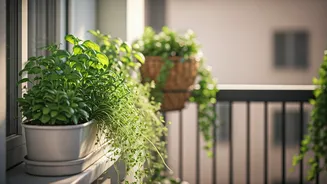
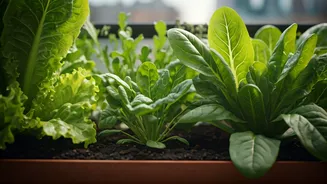
gratification that keeps new gardeners motivated. Second, they have shallow root systems, meaning they don’t need massive, deep pots that take up your entire balcony. A window box or a collection of smaller containers will do just fine. Finally, most varieties operate on a “cut-and-come-again” basis. You can harvest the outer leaves, and the plant will continue producing from its center, giving you a continuous supply for weeks or even months from a single planting.
Get the Light Right
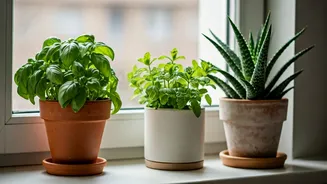
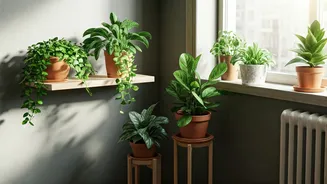
The single most important factor for a successful indoor garden is light. Most edible plants, even leafy greens, need at least six hours of direct sunlight per day. If you have a south-facing window, you’ve hit the jackpot. Place your pots there and rotate them every few days so all sides get sun. Don’t have a sunny window? Don't despair. This is where grow lights become your best friend. You don't need a complex, expensive hydroponic setup. A simple, full-spectrum LED grow light that can be clipped onto a shelf or table is an affordable and highly effective solution. Position the light a few inches above your plants and run it for 12-14 hours a day to mimic a long summer day.
Choosing Your Containers and Soil
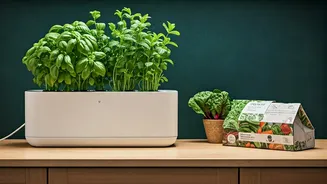
The key to a good container is drainage. Make sure any pot you choose has holes in the bottom to let excess water escape. A simple terracotta pot, a rectangular window box, or even a fabric grow bag works well. For soil, skip the stuff from your local park. Bagged, sterile potting mix from a garden center is your best bet. It’s specifically formulated to provide the right balance of drainage, aeration, and moisture retention for container plants. It's also free of the weeds, pests, and diseases that can be found in regular garden soil. Fill your container with the mix, leaving about an inch of space at the top.
Easy-to-Grow Varieties to Try
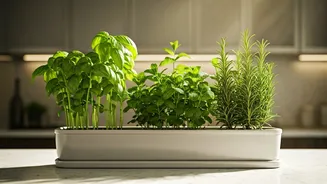
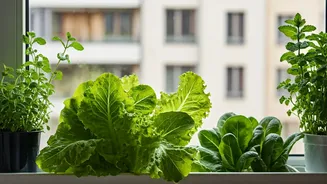
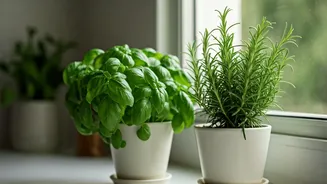
Not all seeds are created equal for beginners. Start with forgiving, productive varieties. For lettuce, look for loose-leaf types like ‘Black Seed Simpson’ or ‘Oakleaf’, which are perfect for cut-and-come-again harvesting. For spinach, ‘Tyee’ or ‘Bloomsdale Long Standing’ are hardy and slow to bolt (meaning they won't flower and turn bitter too quickly). When it comes to herbs, you can’t go wrong. Mint is famously easy to grow (keep it in its own pot or it will take over everything). Basil loves sun and heat, making it a great windowsill companion. Chives, parsley, and oregano are also incredibly resilient and will reward you with constant flavor for your kitchen creations.
The Art of Watering and Harvesting
The most common mistake new plant parents make is overwatering. Before you water, stick your finger about an inch into the soil. If it feels dry, it's time to water. If it's damp, wait another day. Water thoroughly until you see it running out of the drainage holes. For harvesting, the process is pure joy. With loose-leaf lettuce and spinach, use scissors to snip the largest, outermost leaves, leaving the smaller, inner leaves to continue growing. For herbs like basil and mint, pinch off the top sets of leaves just above a leaf node. This encourages the plant to become bushier and more productive. The more you harvest (correctly), the more the plant will grow.