






The Allure and The Warning
Stretching along the Bay of Bengal, India’s Coastal Andhra region is a treasure trove for intrepid travelers. From the sacred pilgrimage site of Tirupati to the French-colonial echoes in Yanam and the pristine beaches near Visakhapatnam, the area offers
a rich cultural and natural tapestry. It’s a place where spice-laden seafood curries are plentiful and history is etched into the stone of centuries-old temples. However, there’s a crucial caveat for anyone planning a visit between October and December: this is peak cyclone season. The same sea that provides beautiful coastlines can become a source of major disruption, turning a dream vacation into a logistical nightmare if you’re unprepared.
Understanding the Volatile Season
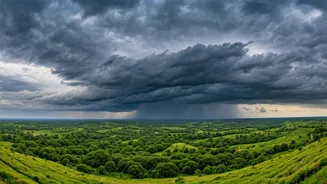
While much of India experiences its primary monsoon from June to September, the southeastern coast, including Andhra Pradesh, gets a “second wind” known as the northeast monsoon. This period, lasting roughly from October through December, is notorious for generating powerful cyclonic storms in the Bay of Bengal. These aren’t just afternoon thunderstorms; they are large, organized storm systems that can bring torrential rainfall, high-speed winds, and significant storm surges. Even when a full-blown cyclone doesn’t make landfall, the associated low-pressure systems can cause days of relentless rain and dangerously rough seas, making many coastal activities impossible and unsafe.
How Weather Derails Travel Plans
The primary issue for travelers is unpredictability and disruption. A cyclone warning can shut down transportation networks with little notice. Flights into and out of regional airports like Visakhapatnam (VTZ) or Tirupati (TIR) are often delayed or canceled. Train services, a popular mode of transport in India, can be suspended due to flooded tracks. Road travel becomes hazardous, with highways potentially blocked by waterlogging or fallen trees. Tourist boats, ferry services to nearby islands, and beachside resorts will all cease operations. What was meant to be a relaxing day at the beach can quickly become a mandatory stay-in-your-hotel-room day, sometimes for several days on end.
Building a Resilient Itinerary
The key isn't to cancel your trip, but to plan for contingencies. First, book flexible travel. Opt for refundable or easily changeable flights and hotel reservations, even if they cost a little extra. Second, purchase comprehensive travel insurance and read the policy carefully to ensure it covers trip cancellations or interruptions due to weather events. Third, build buffer days into your schedule. Don’t plan a tight connection immediately after your time in a coastal area. Finally, have a “Plan B” destination in mind. If the forecast looks grim for the coast, consider pivoting to a drier, inland region of Southern India, like the Deccan Plateau cities of Hyderabad or Bengaluru, which are less affected by these coastal storms.
Staying Safe and Informed on the Ground
Once you are in the region, stay hyper-aware of the weather. Download a reliable weather app and monitor reports from the India Meteorological Department (IMD), the official source for cyclone warnings. Keep your devices charged and have a power bank ready, as power outages are common during severe weather. If a storm is approaching, follow all instructions from local authorities and your hotel management without question. Their advice to stay indoors is for your safety. Stock up on some bottled water, snacks, and any essential medications, so you are prepared to shelter in place if necessary. Communication is key, so let family or friends back home know about your situation.