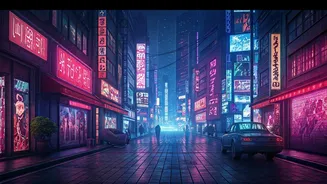







1. The Anime Pilgrimage
For millions of Americans who grew up on a steady diet of anime, Tokyo isn't just a foreign city; it's the real-life setting of their favorite stories. This phenomenon, known as 'anime tourism' or 'seichi junrei' (pilgrimage to sacred sites), is a massive
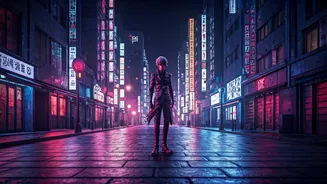
driver. Fans are no longer content to just watch—they want to walk through the worlds they love. You can see it in Shibuya, where travelers pose at the famous scramble crossing, channeling the climactic battles from *Jujutsu Kaisen* or the time-leaping drama of *Tokyo Revengers*. They're visiting the staircase from the blockbuster film *Your Name* in Yotsuya or seeking out the neighborhoods that inspired the landscapes of countless other series. It’s a powerful, immersive experience that transforms a vacation into a personal quest to connect with a beloved narrative.
2. The Video Game Quest
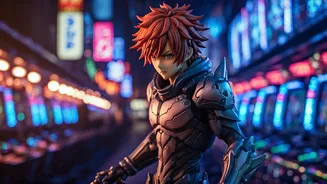
Long before anime became a mainstream obsession in the U.S., video games were America’s primary portal to Japanese creativity. Today, Tokyo is the ultimate destination for gamers. The city is home to legendary companies like Nintendo, Square Enix, and Sega, and that influence is everywhere. Tourists flock to the massive Pokémon Centers for exclusive merchandise you can't find anywhere else. They make a beeline for Akihabara, the 'Electric Town' district, a neon-drenched wonderland of multi-story arcades filled with the latest rhythm games, classic fighters, and crane machines packed with high-quality prizes. There's also the official Nintendo Store in Shibuya and the Square Enix Cafe, where you can sip a *Final Fantasy*-themed latte. For gamers, visiting Tokyo is like stepping inside the machine, a chance to experience the culture that created the hobby they're passionate about.
3. A Food Tour from the Screen
Japanese food culture has always been a draw, but pop culture has supercharged it. It’s one thing to love ramen; it’s another to want the *exact* bowl of tonkotsu ramen Naruto slurped down at Ichiraku. Food featured in anime and manga often becomes a character in itself, and fans are eager for a taste. From the delicate parfaits seen in countless shojo anime to the onigiri (rice balls) that are a staple snack for characters on the go, food is a tangible link to the fictional world. Cooking shows on Netflix like *Midnight Diner: Tokyo Stories* have also created a cult following for simple, soulful Japanese dishes, sending travelers in search of tiny, atmospheric izakayas. This culinary tourism goes beyond fine dining; it's about finding comfort and connection in the everyday foods made iconic by the screen.
4. The Ghibli Experience
Studio Ghibli is in a category of its own. The films of Hayao Miyazaki, like *My Neighbor Totoro* and *Spirited Away*, have a universal, cross-generational appeal. For these fans, a trip to Tokyo has two holy grails. The first is the Ghibli Museum in Mitaka, a whimsical, wondrous building designed by Miyazaki himself. Tickets are notoriously hard to get, which only adds to its mythic status. The second, and newest, is the Ghibli Park near Nagoya, a longer but worthwhile day trip from Tokyo. Unlike a traditional theme park, it’s designed to make you feel like you've stepped into the films' naturalistic, enchanting worlds. This isn't about high-octane rides; it's about quiet discovery and appreciating the artistry and gentle philosophy that define the Ghibli universe.
5. Street Style and Shopping Hubs
Japanese street fashion has influenced global trends for decades, and its hub is Harajuku. The area's Takeshita Street is a vibrant, chaotic crush of crepe stands, quirky boutiques, and stores selling every imaginable style, from gothic lolita to a more minimalist aesthetic. Pop culture fans come here not just to shop but to people-watch and soak in the creative energy. Nearby, areas like Shimokitazawa offer a more bohemian vibe with vintage stores and independent designers. For otaku (devoted fan) culture, the Nakano Broadway shopping complex is an essential stop. It's a multi-level maze of small shops packed with rare anime cels, vintage manga, and collectible figurines—a treasure trove for dedicated collectors looking for items that rarely, if ever, make it to U.S. shores.