
From Grandma’s Kitchen to Instagram
For years, the narrative around healthy eating in urban India, and among the diaspora in the U.S., seemed to favor imported “superfoods.” Kale smoothies, quinoa bowls, and avocado toast became symbols of a modern, health-conscious lifestyle. In the process,
many traditional foods, once staples of everyday life, were relegated to the realm of nostalgia—the kind of thing your grandmother made, but not something a modern person ate for “wellness.” Now, the pendulum is swinging back. A powerful cultural and culinary reclamation is underway, driven by a new generation of Indian chefs, nutritionists, and influencers. They are looking past the Western wellness playbook and finding potent, science-backed solutions right in their own culinary heritage. These aren’t new inventions; they are time-honored recipes for foods like kanji, dosa, and homemade pickles (achaar), being presented with a fresh understanding of their role in gut health and overall vitality.
The Science of the Sour
So, why the sudden resurgence? The answer lies in the global obsession with gut health. The scientific community has increasingly highlighted the importance of our gut microbiome—the trillions of bacteria living in our digestive tract—for everything from immunity and digestion to mental health. And the best way to nurture this internal ecosystem is with probiotics, the beneficial bacteria found in fermented foods.
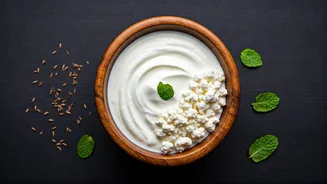
While yogurt has long been recognized as a probiotic source, the Indian fermentation landscape is vastly more diverse. The process of lacto-fermentation, which uses salt to kill harmful bacteria and allow beneficial Lactobacillus strains to thrive, is central to many of these foods. This natural preservation method not only extends the life of vegetables and grains but also transforms them into nutritional powerhouses, making vitamins more bioavailable and creating enzymes that aid digestion. It’s the ancient wisdom our ancestors knew intuitively, now validated by modern science.
Kanji: The Probiotic Winter Drink
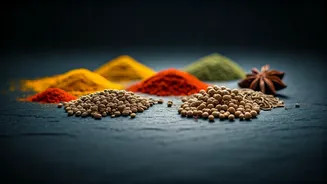
One of the stars of this revival is kanji. A traditional North Indian fermented drink typically made in winter, its most popular version uses black carrots, which give it a stunning, deep purple hue. The recipe is simple: carrots, beetroot, water, salt, and mustard seeds are left to ferment in a glass or ceramic jar in the sun for several days. The result is a tangy, sour, and slightly pungent drink teeming with probiotics.
Once considered a rustic home remedy for digestive sluggishness, kanji is now being hailed as a superior alternative to sugary commercial probiotics. Health-conscious foodies are sharing vibrant photos of their homemade brews online, touting its benefits for digestion and immunity. It’s a perfect example of a low-cost, hyper-local food finding a new, appreciative audience in the modern wellness scene.
Achaar's Redemption Story
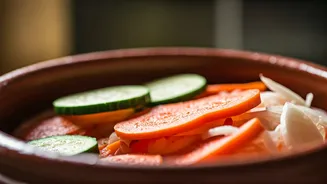
Perhaps the most surprising comeback kid is achaar, or Indian pickle. For decades, store-bought pickles got a bad rap, often criticized for their high salt and oil content. They were seen as a guilty pleasure, a flavor bomb to be used sparingly. However, the focus is shifting to traditional, homemade, and naturally fermented pickles.
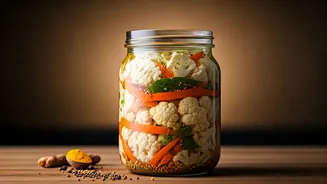
Unlike their vinegar-brined commercial counterparts, many traditional achaars are fermented. When made at home with controlled amounts of cold-pressed mustard oil and unrefined salt, these pickles are a rich source of gut-friendly bacteria. Mango, lemon, chili, and gooseberry pickles, when fermented naturally over weeks, develop complex flavors and significant probiotic value. The new narrative reframes achaar not as an unhealthy indulgence, but as a functional condiment that can add both incredible taste and a dose of healthy microbes to any meal.
Beyond the Hype: A Return to Roots
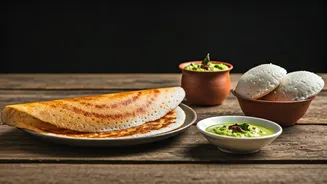
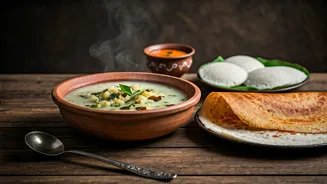
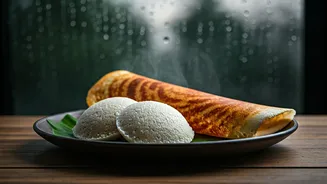
This trend is more than just a fleeting wellness fad. It represents a deeper connection to cultural identity. For many second and third-generation Indian Americans, embracing these foods is a way to connect with their heritage in a tangible, delicious way. It’s about realizing that the solutions to modern health problems don't always require expensive, imported products. Sometimes, the most profound wisdom is found in the simple, sour, and savory flavors that have been part of a culture for centuries. From the perfectly fermented dosa and idli batter that’s a South Indian breakfast staple to the tangy dhokla of Gujarat, an entire continent's worth of fermented goodness is waiting to be rediscovered.