




An Unforgettable Spectacle
Each year, as summer gets underway in India, the coastal city of Puri in the state of Odisha becomes the epicenter of one of the world's most breathtaking religious festivals. Rath Yatra, the “Festival of Chariots,” is an event of staggering scale and
profound devotion. It’s not just a parade; it’s the public journey of a trio of deities who leave the inner sanctum of their temple to greet devotees from all walks of life. For the culture-focused traveler, this isn’t merely a sight to see—it’s an opportunity to witness the powerful intersection of faith, community, and artistry on a level that few other events can match. While the exact date shifts with the lunar calendar, often landing in late June or early July, it marks the pinnacle of India’s summer festival season.
The Journey of the Gods
At the heart of Rath Yatra are three deities: Lord Jagannath, his elder brother Lord Balabhadra, and their sister, the goddess Subhadra. For most of the year, they reside within the hallowed walls of the 12th-century Jagannath Temple, one of Hinduism's most sacred pilgrimage sites. But for this festival, they make an annual trip to the Gundicha Temple, said to be their aunt's home, about two miles away. This journey represents a deeply symbolic act. Jagannath, considered a form of Vishnu, is known as the “Lord of the Universe,” and on this day, he emerges to offer *darshan*—a divine sighting—to everyone, regardless of caste, creed, or even faith. The air crackles with energy as millions vie for a glimpse, believing that seeing the deities on their chariots is an incredibly auspicious blessing.
Chariots Built by Hand and Faith
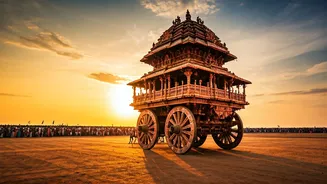
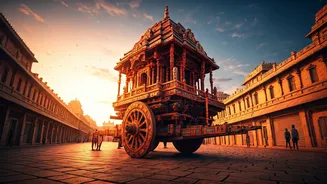
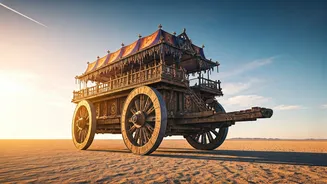
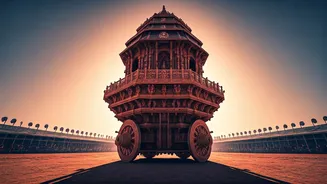
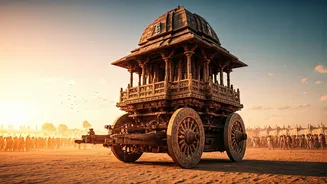
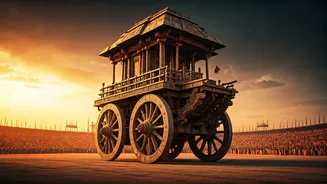
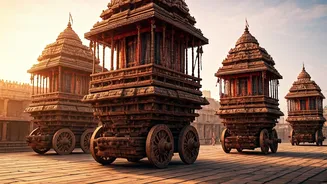
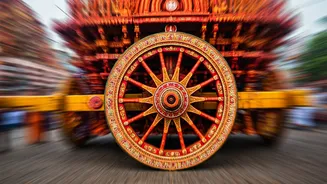
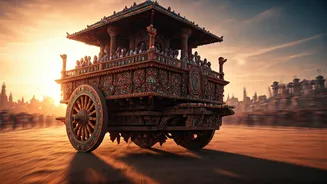
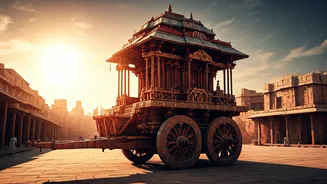
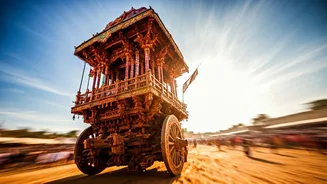
The chariots themselves are masterpieces of temporary architecture and sacred engineering. They are not permanent structures but are built new every single year from specific types of wood, following ancient, precise specifications. Lord Jagannath’s chariot, Nandighosa, stands about 45 feet tall and rolls on 16 massive wheels. Lord Balabhadra’s chariot, Taladhwaja, is nearly as tall with 14 wheels, while Subhadra’s, Darpadalana, has 12 wheels. Each is draped in enormous bolts of brightly colored fabric—red and yellow for Jagannath, red and green for Balabhadra, and red and black for Subhadra. These are not merely vehicles; they are moving temples, consecrated and decorated by legions of artists and craftsmen whose families have performed this service for generations. Their construction is a ritual in itself, beginning months before the festival.
A Sea of Collective Devotion
The main event is the pulling of the chariots. What moves these towering structures is not horsepower but human power. Thousands of devotees grasp thick, coir ropes, and with chants of “Jai Jagannath!” (Victory to Jagannath), they pull the chariots along the main thoroughfare, known as the Bada Danda. The scene is a tidal wave of humanity—a rhythmic, powerful, and overwhelming display of collective faith. The sound is a symphony of devotional songs, clanging cymbals, and blowing conch shells. For a visitor, the sheer force of this shared purpose is humbling. It’s a powerful reminder that some of the world's most incredible experiences aren't built for tourists; they are pure, unfiltered expressions of culture and belief that we are privileged to witness.