

An Escape Hatched by the Empire
To understand Mahabaleshwar and Mussoorie, you have to understand the concept of a 'hill station.' Think of them as the British Empire’s answer to a brutal problem: India’s scorching pre-monsoon summer heat. In the 19th century, British administrators,
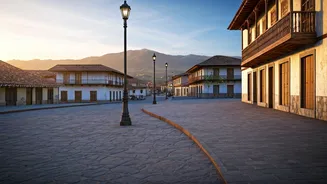
soldiers, and their families sought refuge from the punishing temperatures of cities like Delhi and Bombay (now Mumbai). They found it by building towns at high altitudes, where the air was cool and the landscape often resembled the English countryside. These weren't just outposts; they were miniature European towns transplanted into the Himalayas and Western Ghats, complete with Gothic churches, Tudor-style cottages, boarding schools, and social clubs. They became the de facto summer capitals. After India's independence in 1947, these colonial-era resorts were enthusiastically adopted by Indians themselves, transforming from exclusive enclaves into beloved vacation destinations for the country's burgeoning middle class.
Mussoorie: Queen of the Hills
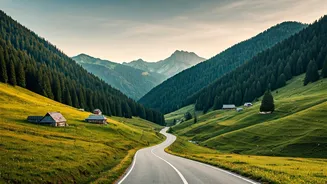
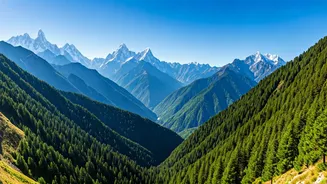
Perched in the Himalayan foothills of Uttarakhand, Mussoorie is the quintessential North Indian hill station. For the millions sweltering in Delhi just a few hours' drive away, it’s the most accessible escape into cool, pine-scented air. The heart of the town is the Mall Road, a bustling promenade crowded with families, honeymooners, and groups of friends. They stroll past shops selling woolen shawls and wooden trinkets, snack on roasted corn on the cob, and gaze at the sprawling Doon Valley below.
Mussoorie’s appeal is a blend of natural beauty and charming nostalgia. You can ride a cable car up to Gun Hill for panoramic Himalayan views or take a walk along the quiet, winding Camel's Back Road. The town also has a rich literary history—it’s the longtime home of famed author Ruskin Bond—and its colonial architecture, like the iconic St. Paul's Church, serves as a constant reminder of its origins. For families, it’s a living storybook, a place of pony rides, paddle boats, and crisp mountain evenings.
Mahabaleshwar: The Strawberry Capital
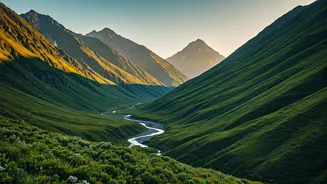
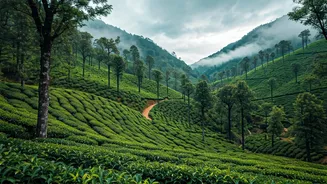
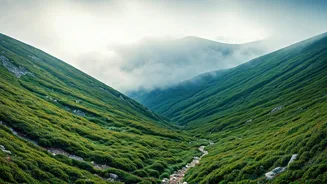
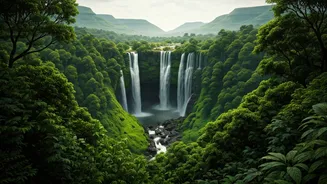
If Mussoorie is the Himalayan queen, Mahabaleshwar is its counterpart in Western India. Nestled in the lush, green peaks of the Western Ghats mountain range, it was the summer capital of the Bombay Presidency during the British Raj. Today, it's the go-to weekend and summer retreat for the urban populations of Mumbai and Pune. While it shares the colonial architecture and scenic viewpoints of other hill stations—like Arthur's Seat, which offers a dramatic view of the surrounding valleys—Mahabaleshwar has a unique claim to fame: strawberries.
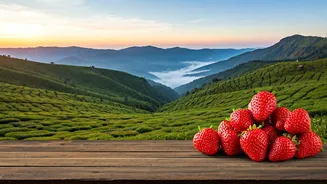
Thanks to its cool climate, the region is responsible for over 85% of India's strawberry production. From December to April, the town is awash in the fruit. Tourists flock to farms to pick their own berries and indulge in an array of strawberry-themed treats, from fresh cream desserts to milkshakes and jams. This agricultural charm, combined with boating on Venna Lake and exploring ancient temples, gives Mahabaleshwar a distinct, less formal character than its Himalayan cousins, making it an idyllic spot for a family getaway.
The Great Indian Summer Vacation
So why are these places “buzzing” now? The tradition is deeply ingrained. As temperatures soar across the plains in May and June before the monsoon rains arrive, Indian schools close for their long summer break. This period is the peak domestic tourism season, and families make a beeline for the mountains. It's a rite of passage, a multi-generational pilgrimage to escape the heat.
In recent years, this trend has been amplified. India's rising middle class has more disposable income, and a post-pandemic urge for travel has supercharged domestic tourism. Hill stations, once seen as quaintly old-fashioned, are now filled with modern hotels, adventure sports, and cafes catering to a new generation of travelers. Yet, the core appeal remains unchanged: the simple, profound joy of cool weather, quality family time, and a stunning view.