

The High Price of Being Trendy
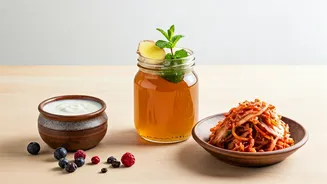
Let’s be honest: keeping up with wellness trends is exhausting and expensive. One year it’s kimchi, the next it’s Bulgarian yogurt, and then a new flavor of kombucha arrives, promising microbial nirvana for eight dollars a bottle. The industry thrives
on a cycle of discovery and obsolescence, convincing us that the key to health is always something new, something foreign, something you have to *buy*. This constant search for the next 'superfood' overlooks a fundamental truth: powerful, effective, and gut-friendly foods have been staples in cultures around the world for millennia, long before they had slick branding and a spot at Whole Foods.
The Cornerstone: Homemade Dahi
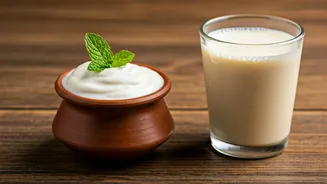
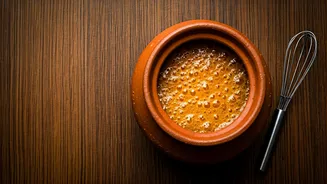
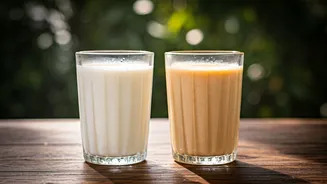
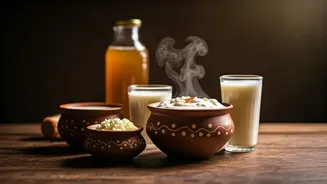
Before there was artisanal yogurt, there was dahi. This simple homemade yogurt is the bedrock of gut health in countless South Asian households. Made by introducing a starter culture (a spoonful of previous yogurt) to warm milk and letting it set, dahi is a living food teeming with diverse bacterial strains. Unlike many commercial yogurts that are pasteurized after culturing (killing the live bacteria) or loaded with sugar, traditional dahi is a pure, potent probiotic source. It's eaten plain, whisked into cooling lassi or savory raita, or used as a marinade. It’s not a product you buy for a cleanse; it’s a non-negotiable, everyday part of a balanced diet.
Beyond the Dairy Aisle
The Desi probiotic universe extends far beyond yogurt. Consider kanji, a tart, savory drink traditionally made in North India by fermenting black carrots, beets, and mustard seeds in water. It’s a seasonal, salty, and pungent ferment that’s both a digestive aid and a unique appetizer. Then there's achaar, or Indian pickles. While many modern store-bought versions are simply preserved in vinegar, traditionally made achaars are lacto-fermented in salt and spices, creating a complex flavor bomb that’s also rich in beneficial microbes. These aren’t single-serving wellness shots; they are complex culinary ingredients that integrate gut health directly into meals.
The Magic of Fermented Batter
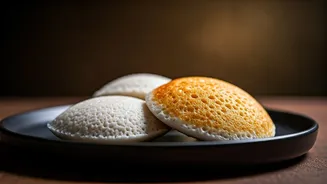
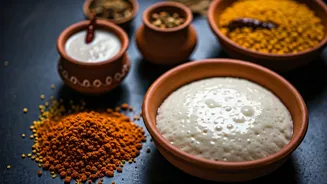
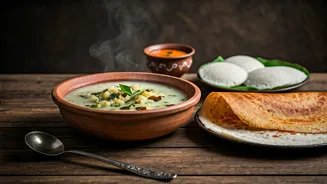
Perhaps the most ingenious examples are the staples of South Indian cuisine: idli and dosa. These are not just rice cakes and crepes. They are the delicious result of fermenting a batter of ground rice and lentils. This overnight fermentation process does three incredible things: it makes the nutrients in the grains more bioavailable, it creates a wonderfully sour, complex flavor, and it naturally populates the batter with probiotics. The airy, steamed idli and the crisp, savory dosa are proof that a healthy gut doesn't require you to drink something sour from a bottle; it can be the foundation of a comforting and satisfying meal.
Wisdom Over Wellness Marketing
The argument for Desi probiotics isn’t about shunning other fermented foods. Kimchi is delicious; kefir has its place. But the point is about shifting our perspective. It’s about recognizing the wisdom embedded in our own culinary traditions—or those of our neighbors. These foods are fundamentally more accessible, sustainable, and affordable. They don’t require a special trip to a health food store or a big budget. They rely on process over packaging, and generational knowledge over marketing hype. Embracing them is an act of reclaiming wellness from an industry that profits on our insecurity and connecting with a food philosophy that has nourished people for centuries.