




A World Away from the Crowds
Imagine a place where the loudest sounds are the rushing waters of a sacred river and the whisper of wind through ancient cedar trees. This is Harsil. Situated at an altitude of about 8,500 feet, this small valley feels like a world apart from India’s
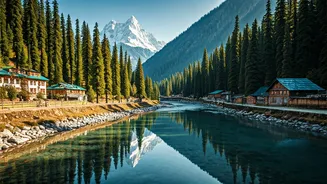
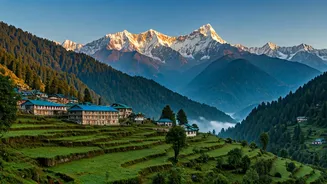
more famous and often-overcrowded hill stations like Shimla or Manali. There are no sprawling malls, no cacophony of tourist traffic, and no endless rows of commercial hotels. Instead, Harsil offers a profound sense of peace. The village is a cluster of wooden homes and a few simple guesthouses, nestled on the banks of the Bhagirathi River. It’s a destination for travelers seeking immersion in nature, not a checklist of tourist activities. The air is crisp, the sky is a startling shade of blue, and the slow pace of life forces you to unwind and simply be present.
The Valley of Green and Gold
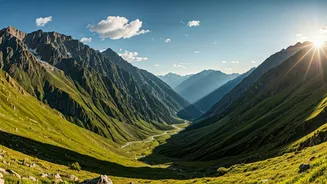
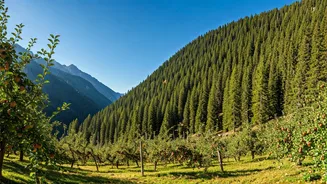
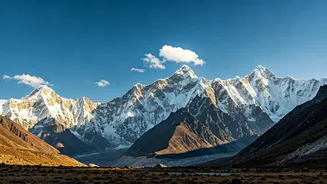
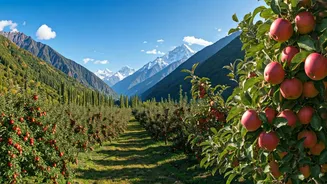
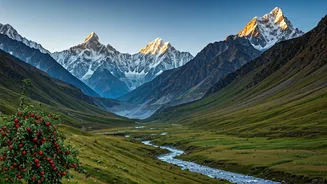
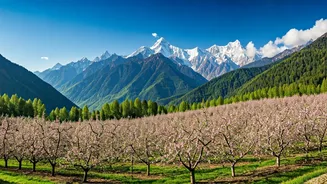
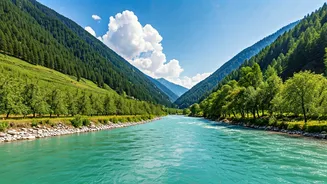
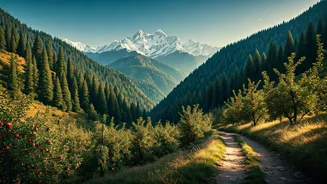
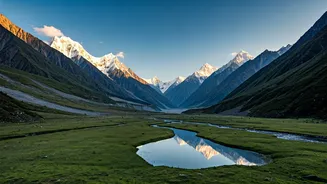
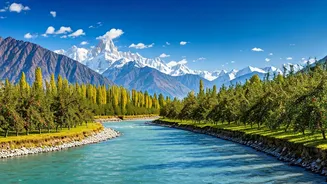
Harsil’s landscape is its main attraction, a breathtaking canvas of deep greens and shimmering water. The valley is blanketed by dense forests of deodar, or Himalayan cedar, whose tall, stately trunks create a cathedral-like canopy. Below, the brilliant, turquoise Bhagirathi River, one of the main headstreams of the Ganges, cuts a powerful path through the valley, its waters cold and clear from glacial melt. But Harsil is perhaps most famous for its apple orchards. In the spring, the valley is filled with fragrant white blossoms, and by late summer and autumn, the trees are heavy with crimson apples. The harvest season, from August to October, paints the landscape in hues of red and gold, making it an exceptionally beautiful time to visit. Strolling through these orchards, with the snow-capped peaks of the Himalayas as a backdrop, is an experience that feels plucked from a storybook.
Gateway to the Gods
Beyond its natural beauty, Harsil holds deep spiritual significance. It lies on the historic pilgrimage route to Gangotri, one of the four sacred Char Dham sites in Hinduism and the source of the Ganges River. While many pilgrims pass through, Harsil itself maintains a quiet, contemplative atmosphere. Just a few miles away is the village of Mukhba, which serves as the winter home for the idol of the goddess Ganga. When the Gangotri temple closes for the harsh winter, the deity is ceremoniously carried down to Mukhba, where she is worshipped for six months. This connection infuses the entire region with a palpable sense of reverence. For visitors, this translates into a unique cultural experience, offering a glimpse into ancient traditions that are still very much alive in this remote corner of the world.
The Legend of 'Pahari' Wilson
You can’t talk about Harsil’s apples without mentioning the almost mythical figure of Frederick “Pahari” Wilson. An adventurer who deserted the British Army after the Indian Rebellion of 1857, Wilson fled into the Himalayas and settled in Harsil. He married a local woman, became incredibly wealthy trading in timber and furs, and even minted his own coins. But his most lasting legacy was introducing cultivated apples to the valley. The “Wilson Apple” became a sensation and transformed the local economy, creating the lush orchards that define Harsil today. Though his methods were controversial, Wilson’s story adds a fascinating layer of swashbuckling history to this otherwise tranquil valley, a reminder of the unexpected characters who have shaped the American West’s own frontier tales.
Planning Your Escape
Harsil is an off-the-beaten-path destination, and getting there is part of the adventure. The nearest major airport is in Dehradun, from which Harsil is a long but spectacular 8-10 hour drive through winding mountain roads. The best times to visit are from April to June, when the weather is pleasant and the valley is lush, and from September to November, when you can enjoy the crisp autumn air and post-monsoon clarity. The winter months see heavy snowfall, which often cuts off the valley but transforms it into a pristine white wonderland for the truly intrepid. Accommodations are simple and rustic, consisting mostly of small family-run guesthouses and a few eco-resorts that prioritize sustainability over luxury. It’s a trip that requires a bit of planning but rewards travelers with an authentic and unforgettable Himalayan experience.