



What Is a Monsoon Weekend?
Let’s get one thing straight: this has nothing to do with the weather. A “monsoon weekend” is a new name for an old idea that’s found its moment: the micro-cation. It’s a hyper-focused, 48-to-72-hour burst of intentional leisure. Unlike a lazy weekend spent
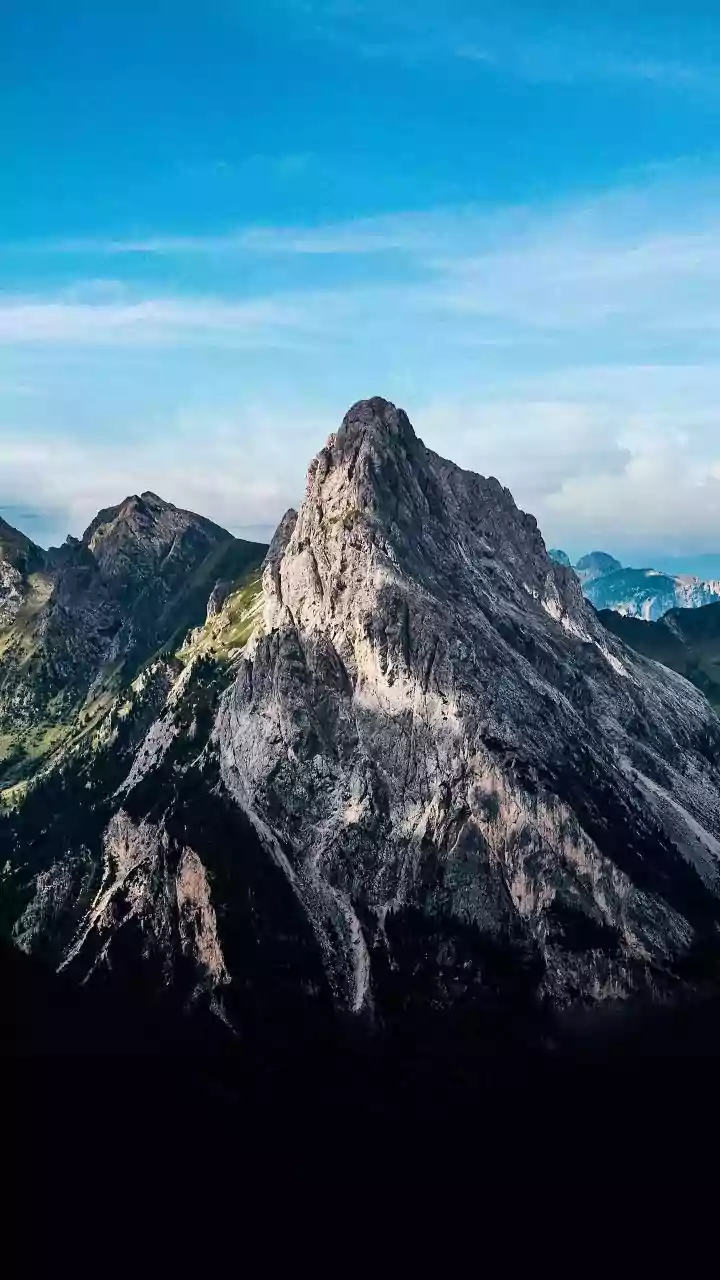
running errands and catching up on laundry, a monsoon weekend has a mission. It might be flying to a new city to try three specific restaurants, tackling a challenging mountain trail you’ve been dreaming of, or even a hyper-curated staycation where you turn off your phone and finally build that bookshelf. The key is intensity and intention. It’s a concentrated dose of escape, designed to maximize the feeling of a break without the logistical nightmare of a long holiday. Think of it as the travel equivalent of a high-intensity interval training (HIIT) workout: short, powerful, and surprisingly effective.
The Slow Decline of the Big Trip
For decades, the one- or two-week vacation was the gold standard for recharging. But for many Americans, it’s becoming more trouble than it’s worth. First, there’s the planning fatigue. Coordinating schedules, booking flights and hotels months in advance, and managing a budget for a long trip can feel like a second job. Then there’s the cost. With rising prices for airfare and lodging, a ten-day family vacation can easily spiral into a major financial event. Finally, there’s the dreaded re-entry. Returning from a long holiday often means facing an apocalyptic inbox and a mountain of work, which can negate the relaxing effects of the trip within hours. The pressure to make a long, expensive vacation “perfect” and “worth it” can create a unique form of anxiety, leading many to feel they need a vacation from their vacation.
The Psychology of the Quick Escape
The appeal of the monsoon weekend isn’t just about avoiding hassles; it’s rooted in how our brains process happiness and time. Research in psychology suggests that the frequency of positive experiences often matters more than their duration. Having several small, exciting breaks spread throughout the year can be more effective at preventing burnout than saving up all your energy for one big, blowout trip. This approach keeps novelty and anticipation, key ingredients for happiness, on a regular cycle. Furthermore, our memory of an event is heavily influenced by the “peak-end rule,” a psychological heuristic where we primarily remember the most intense moments (the peak) and the final moments (the end). A short, packed weekend can deliver a memorable peak and a satisfying end far more efficiently than a long, meandering trip where lulls and minor annoyances can dilute the experience.
Maximum Experience, Minimum Disruption
Perhaps the biggest selling point of the monsoon weekend is its seamless integration into modern life. Taking one or two days off, tacked onto a weekend, is far more manageable for most people than carving out a full week or two. It requires less planning, less packing, and—crucially—less catching up upon return. The stakes feel lower. If a restaurant is a letdown or it rains one afternoon, it doesn’t feel like a catastrophic failure; it’s a minor blip in a short adventure. This lower-pressure approach allows for more spontaneity and genuine relaxation. It’s about achieving a sense of distance and renewal without having to completely disconnect from your life’s responsibilities. You can leave on a Friday afternoon and be back at your desk Monday morning, not with a sense of dread, but with the lingering glow of a weekend well-spent.