






Beyond the Bicep Curl
For decades, the Indian fitness landscape, especially in urban centers, was dominated by a bodybuilding-centric model. Gyms were temples of iron, where the goal was aesthetic muscle gain—isolated movements like bicep curls and bench presses. But a fundamental
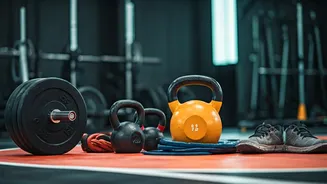
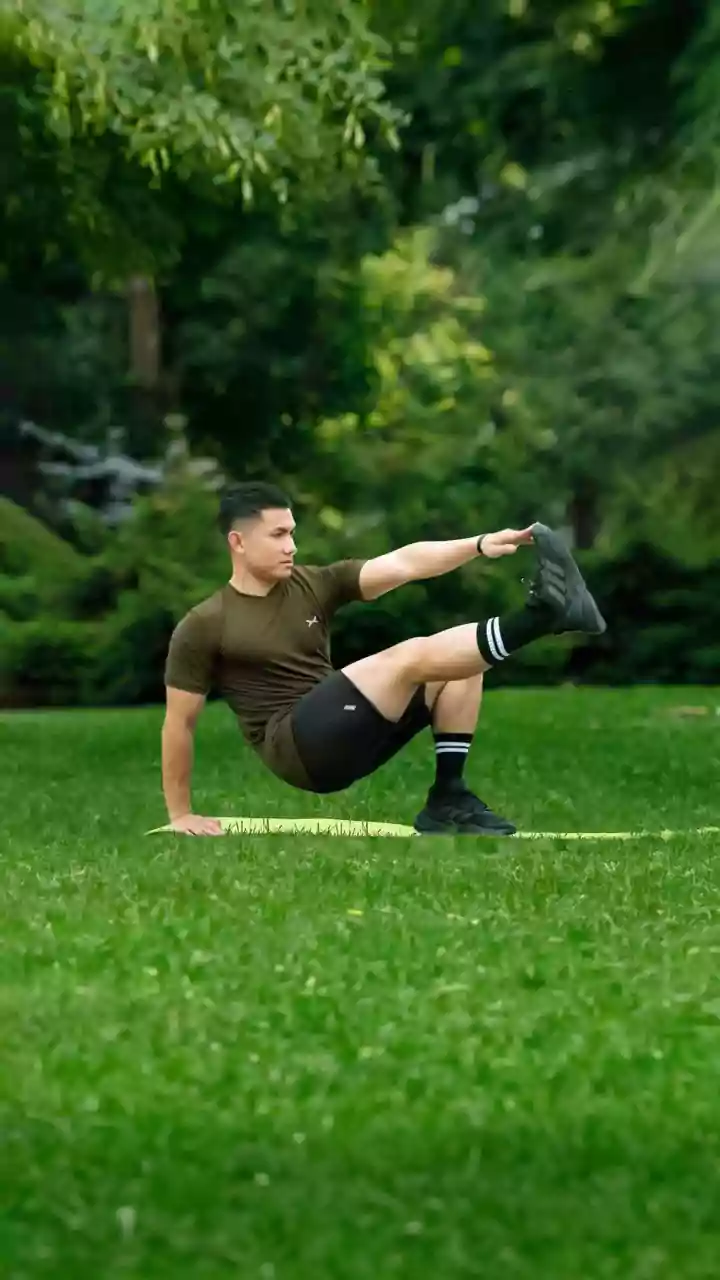
shift is underway. Enter functional fitness: a training philosophy built around compound movements that mimic everyday life. Think squatting to pick something up, lifting objects, pushing, pulling, and rotating. Workouts like CrossFit, High-Intensity Interval Training (HIIT), and calisthenics fall under this umbrella. Their appeal isn't just about looking good; it's about feeling capable, strong, and agile. This performance-oriented approach promises tangible results you can feel in your daily life, a proposition that resonates deeply with a new generation of Indian consumers seeking efficiency and holistic well-being.
India's New Fitness Identity
This trend didn’t emerge in a vacuum. It’s being fueled by a confluence of social and economic forces. India's rapidly expanding urban middle class has more disposable income and a greater awareness of global wellness trends, thanks to social media. Instagram feeds once filled with Bollywood glamour now feature local fitness influencers demonstrating kettlebell swings and burpees. This digital exposure has demystified functional fitness and made it aspiratoinal. Furthermore, these workouts foster a powerful sense of community. Unlike the solitary experience of a traditional gym, CrossFit “boxes” and HIIT studios are built on group sessions, shared challenges, and mutual encouragement. In bustling, often isolating cities, these gyms have become a “third place”—a hub for social connection as much as for physical training. Companies like Cult.fit (now part of Cure.fit) have successfully scaled this model, creating a recognizable brand that offers consistency, community, and a variety of functional workout formats under one roof.
The Functional Fitness Economy
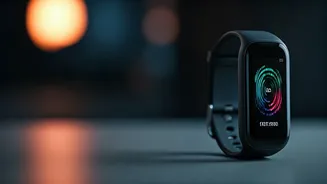
The most significant impact of this shift is the creation of an entirely new consumer ecosystem. The person who commits to functional fitness doesn't just buy a gym membership; they adopt a new lifestyle, and that lifestyle requires a new set of products and services. Athleisure is booming, but with a twist. Consumers are now seeking performance-oriented apparel—breathable fabrics for intense HIIT sessions, durable shoes for weightlifting, and gear that supports movement, not just looks good at the coffee shop. The nutrition market has also evolved. The conversation has moved from simple weight loss to performance fueling. This has sparked a surge in demand for protein supplements, clean-label snacks, organic foods, and specialized meal delivery services catering to workout-specific dietary needs. Finally, technology is a key component. Wearable fitness trackers from brands like Apple, Garmin, and Fitbit are no longer niche gadgets but essential tools for tracking progress, heart rate, and recovery, creating a data-driven approach to personal health.
A Blueprint for Global Brands
For international companies, this trend offers a crucial lesson: the Indian consumer is no longer a monolith. The market is fragmenting into sophisticated niches with specific demands. The success of functional fitness demonstrates a clear desire for authenticity, community, and performance-driven value. A “one-size-fits-all” approach is destined to fail. Brands that understand and cater to these new identities are the ones that will win. This isn't just about selling sportswear or protein powder; it's about engaging with the culture of self-improvement and community that functional fitness represents. This could mean sponsoring local fitness events, collaborating with Indian influencers, or developing products specifically tailored to the Indian climate and consumer preferences. The functional fitness movement is a case study in how a cultural trend can rapidly redefine consumer behavior, creating both challenges for legacy brands and immense opportunities for those agile enough to adapt.