

From the Cart to the Chip Aisle
Take a walk down the snack aisle of any major American grocery store, and you’ll notice a distinct shift. Sandwiched between the familiar comforts of Sour Cream & Onion and Nacho Cheese are new, exciting flavors that sound like they were pulled directly
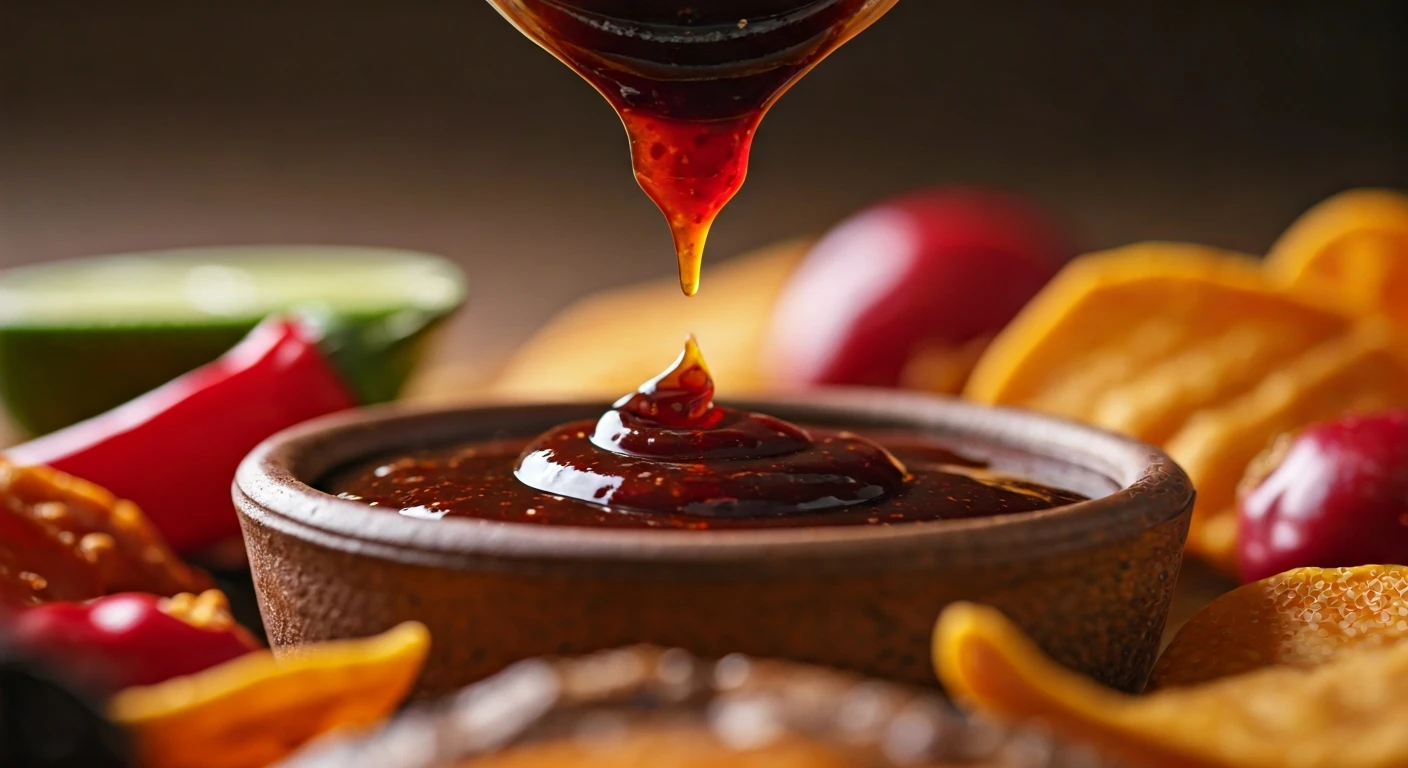
from a food truck menu: Spicy Street Corn, Chile Limón, Gochujang, and even Birria. This isn't an accident. It's a calculated strategy by major consumer packaged goods (CPG) companies to tap into one of the most powerful forces in modern food culture: the global street food phenomenon. Brands from Frito-Lay and Pringles to boutique chip-makers are mining the vibrant, authentic, and often regional flavors of street vendors to create their next best-selling snack. This trend represents a fundamental change in how America eats and what we expect from our packaged foods. The line between a quick, adventurous meal and a grab-and-go bag of chips is blurring, and it's making the snack aisle the most interesting part of the store.
The TikTok-to-Target Pipeline
So, why now? The answer, in large part, lies in the palm of your hand. Social media platforms, particularly TikTok and Instagram, have become de facto global food courts. A video of someone dipping a cheesy quesataco into a rich birria consommé can rack up millions of views in a day, creating instantaneous, widespread demand. Snack companies are paying close attention. They see these viral trends not as fleeting fads, but as free, large-scale market research. By the time a food like elote (Mexican street corn) becomes a persistent star on social media, there's already a built-in audience of consumers who are primed and eager to try it—even if it's in the form of a potato chip. This creates what you might call the "TikTok-to-Target pipeline," dramatically shortening the time it takes for a niche, authentic flavor to become a mass-market product. Consumers get to feel adventurous and worldly without leaving their couch, a powerful proposition.
A World of Flavor in a Bag
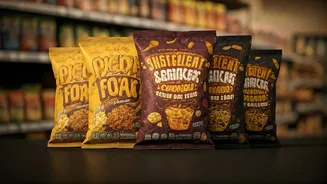
The most prominent example of this trend is the explosion of Mexican street food flavors. Trader Joe's "Everything but the Elote" seasoning became a cult classic, paving the way for a flood of street-corn-flavored items from other brands, including Doritos' Tangy Tamarind and Lay's Adobadas. Pringles even launched a Las-Vegas-inspired LTO (Limited Time Offering) of a Birria-flavored crisp. But the trend extends far beyond Latin America. The spicy, sweet, and funky profile of Korean gochujang is appearing on everything from almonds to popcorn. The complex, aromatic spice blends of Middle Eastern shawarma and the zesty, herbaceous notes of Peruvian aji verde are also inspiring new snack seasonings. For snack developers, these flavors offer a perfect balance: they are novel enough to be exciting but are often grounded in familiar concepts like 'spicy,' 'smoky,' or 'tangy,' making them an approachable adventure for the average American palate.
The Business of Authenticity
For the companies behind these launches, this isn't just about chasing trends; it's smart business. Younger consumers, particularly Millennials and Gen Z, are more diverse and have more adventurous palates than any generation before them. They actively seek out new experiences and prize authenticity. A bag of chips flavored like Taiwanese fried chicken isn't just a snack; it's a small, affordable taste of another culture. This strategy also allows brands to inject excitement into a crowded market. Limited-time offerings built around these flavors create a sense of urgency and buzz, driving shoppers to stores. It’s a way for a legacy brand like Lay's or Pringles to stay relevant and compete with smaller, more nimble startups that have built their identities around global flavors from the start. By borrowing credibility from beloved street foods, these giants can signal that they understand modern food culture.