
The Greatest Hits Menu
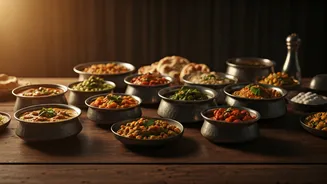
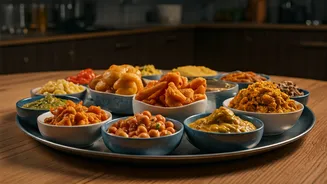
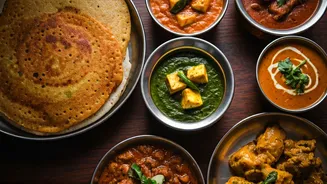
Let’s be honest: the classic American Indian restaurant menu was designed for success through comfort. Dominated by rich, mildly spiced, and often creamy dishes from North India (or more accurately, a British interpretation of Punjabi cuisine), it was a masterful
exercise in risk mitigation. Restaurateurs, many of them first-generation immigrants, cannily offered a condensed, palatable version of a subcontinent’s worth of food. They smoothed over the sharp, funky, and fiery edges to appeal to a Western palate that wasn't yet ready for the culinary complexities of India. This wasn't a failure; it was a strategic success. Dishes like butter chicken and vegetable korma became beloved staples. They were the ambassadors, the entry point for millions of Americans into one of the world's great cuisines. But this delicious, accessible template also created a stereotype, flattening the diverse foodways of 28 states and multiple territories into a single, monolithic “curry house” experience.
The Unapologetic Remix
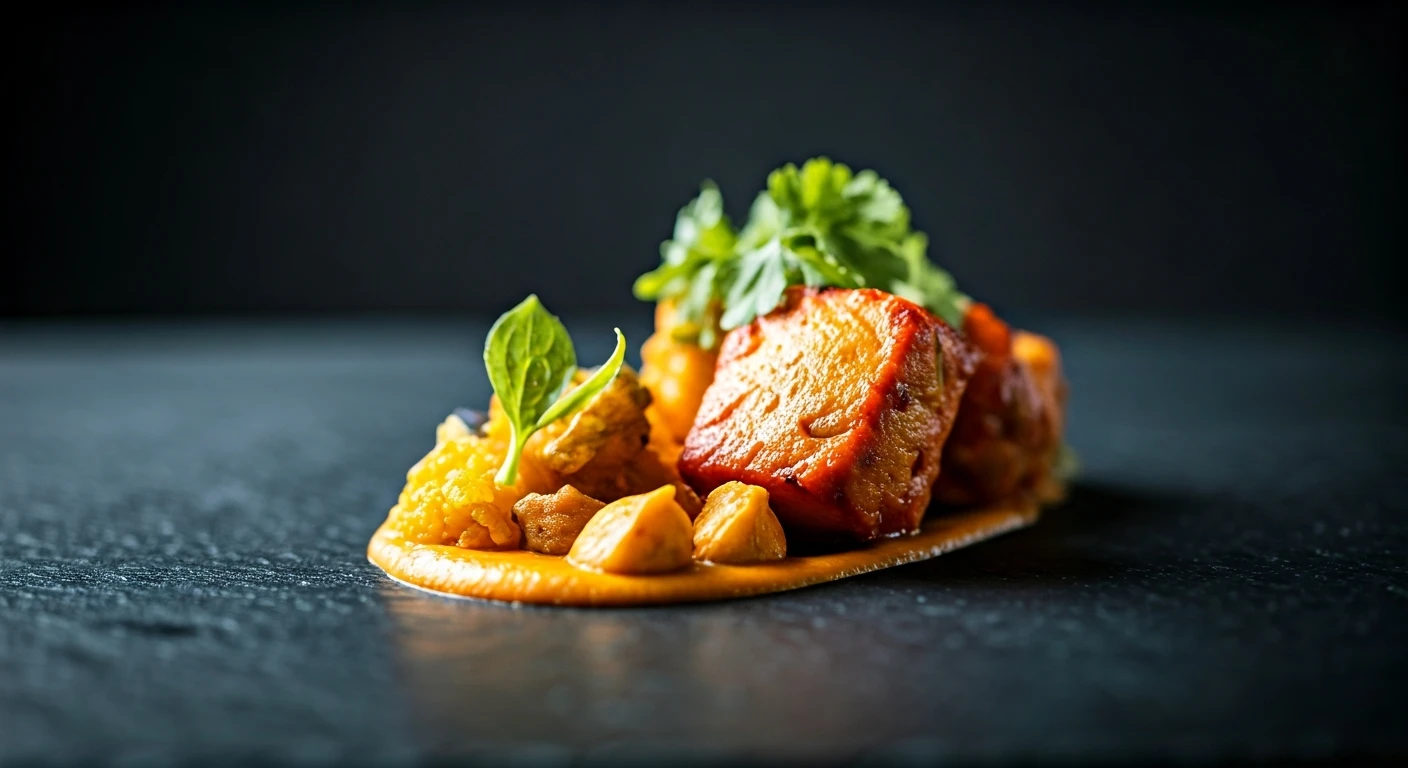
The new guard of Indian chefs isn’t throwing that playbook out; they're sampling from a much larger, deeper library. This isn't fusion cuisine, which often blends disparate culinary traditions. This is a remix—taking the foundational elements of Indian cooking and showcasing them in their hyper-regional, intensely personal, and “unapologetic” forms. These chefs are diving deep into the recipes of their childhoods, their specific villages, and the street food stalls of their hometowns. At celebrated New York restaurants like Dhamaka, for instance, you won’t just find chicken—you’ll find a whole goat neck baked in basmati rice, a celebratory dish that demands to be shared. At Semma, the focus is on rural South Indian flavors, featuring dishes with snail, wild boar, and venison that were previously unheard of in mainstream U.S. Indian restaurants. This is food with a specific address, a story rooted in place rather than a generic idea of “India.”
Redefining Authenticity
This movement forces a fascinating question: what is “authentic” Indian food? For years, authenticity was judged by how closely a dish matched the familiar tikka masala standard. The new wave argues that true authenticity lies in specificity. A dish is authentic not because it tastes like every other version, but because it tastes exactly like how a chef’s grandmother in Kerala or a street vendor in Kolkata makes it. This shift is liberating. It frees chefs from the tyranny of expectation and allows them to cook food that is deeply personal. It also asks more of the diner, inviting them to be curious and adventurous. When you eat gurda kapoora (goat kidney and testicles) at Dhamaka or nathai pirattal (snail curry) at Semma, you’re not just having dinner; you’re participating in a cultural exchange on the chef’s terms. The funky, fiery, and unfamiliar flavors aren’t bugs—they’re features.
Why Now? A Story of Confidence
Several factors are fueling this culinary remix. First, there’s a new generation of Indian-American chefs and restaurateurs who grew up between two cultures. They have the culinary heritage from their families and the confidence to present it without compromise to a mainstream American audience. They are storytellers, using their menus to educate and enthrall. Second, the American diner has changed. Thanks to travel, food television, and the internet, palates are more global and adventurous than ever. Diners are actively seeking out novelty and specificity. They don't just want “Italian”; they want cacio e pepe from Rome. They don't just want “Mexican”; they want Oaxacan mole. This same demand for regional storytelling has finally come for Indian food, creating a market for these bold new concepts to thrive.