




Defining ‘Soft Strength’
For years, the fitness world was dominated by a 'go hard or go home' mentality. High-Intensity Interval Training (HIIT), punishing bootcamps, and heavy lifting were seen as the gold standard for achieving results. The goal was often exhaustion—a puddle
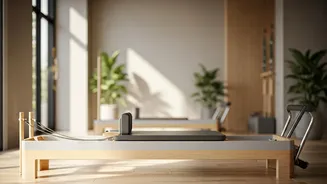
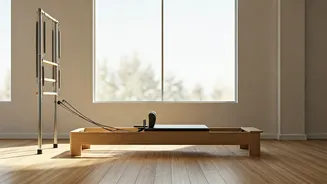
of sweat as proof of a workout well done. 'Soft strength' is the antithesis of this. It’s a fitness philosophy centered on control, precision, and building strength from the inside out. Instead of explosive, high-impact movements, it emphasizes slow, deliberate motions that activate deep stabilizing muscles. Pilates, with its focus on core engagement, breathwork, and muscle elongation, is the poster child for this approach. It’s not about how much you can lift, but how well you can control your own body weight against resistance, whether from a spring-loaded reformer machine or gravity itself.
A Shift in Wellness Culture
So, why the sudden surge in popularity for a method that’s over a century old? The answer lies in a collective cultural shift, accelerated by the pandemic. We’re burned out—on stress, on hustle culture, and on workouts that feel like punishment. There’s a growing desire for practices that feel restorative rather than depleting. Pilates fits this new paradigm perfectly. It's a mindful practice that demands complete focus, creating a mental escape that many find meditative. It bridges the gap between a gentle yoga session and a grueling strength workout, offering a potent combination of physical challenge and mental calm. This approach aligns with a broader movement toward longevity and sustainable health, where the goal isn't just to look good for a season but to feel good and move well for a lifetime.
The Celebrity and Social Media Effect
You can't discuss the Pilates boom without acknowledging the power of celebrity influence and visual-first social media platforms. Figures like Hailey Bieber, Kendall Jenner, and Lori Harvey have made the sleek, coordinated Pilates studio look a status symbol. Their posts showcasing toned physiques and effortless-looking (but incredibly difficult) moves on the reformer have turned the workout into something aspirational. On TikTok, the #pilates hashtag has billions of views, with creators sharing 'before and after' transformations, routine breakdowns, and aesthetic videos of sun-drenched studios. While this has fueled an aesthetic obsession with the 'Pilates body'—typically defined by long, lean muscles and a defined core—it has also served as a powerful entry point, introducing millions to a practice they might have otherwise overlooked.
More Than Just an Aesthetic
Beyond the trendiness and the lean look, proponents stick with Pilates for its profound functional benefits. It's a masterclass in improving posture. By strengthening the entire core—which includes the deep abdominal muscles, back, and pelvic floor—it creates a natural corset of support for the spine. This translates directly to everyday life: sitting at a desk without slumping, lifting groceries without tweaking your back, and moving with greater ease and less pain. Many adherents report feeling taller, more aligned, and more connected to their bodies. This deep, functional strength is what gives Pilates its staying power long after the initial aesthetic appeal wears off. It’s a workout that doesn’t just change how you look; it changes how you move through the world.
The Price of Poise
Of course, the obsession comes with a significant barrier to entry: cost. A single group reformer class in a major U.S. city can easily cost $30-$50, making a consistent practice a serious luxury. This has led to criticism that the trend is exclusionary and reinforces wellness as a commodity for the wealthy. However, the movement has sparked diversification. The demand has led to a boom in online Pilates platforms and apps offering high-quality instruction for a fraction of the price. Furthermore, there’s a renewed appreciation for mat Pilates, the original form of the practice developed by Joseph Pilates, which requires no expensive equipment and can be done anywhere. While the aspirational reformer studio remains the face of the trend, these more accessible options are ensuring that the principles of 'soft strength' can reach a much wider audience.