


Embrace the Blue Labyrinth
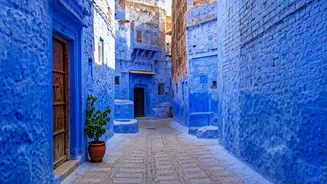
Jodhpur’s most iconic feature is its old city, a mesmerizing tangle of alleyways where buildings are painted in shades of indigo, sapphire, and cerulean. Getting lost here isn’t a mistake; it’s the main event. Theories on the color’s origin vary—some
say it was to mark the homes of Brahmins, others that the blue hue helps keep homes cool and repels termites. Regardless of the reason, wandering through these narrow, vibrant lanes is a photographer's dream. Every turn reveals a new scene: children playing cricket, women in colorful saris gathered on stoops, and the scent of incense wafting from household shrines. The blue walls create a cool, serene contrast to the golden Thar Desert that surrounds the city, giving Jodhpur its unique, otherworldly vibe.
Scale the Mighty Mehrangarh Fort
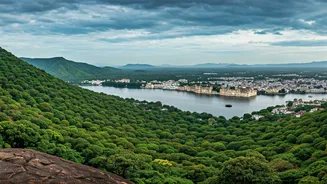
Dominating the skyline from its perch atop a 400-foot rocky outcrop, Mehrangarh Fort is more than a historic monument; it’s the soul of Jodhpur. This is not a crumbling ruin but a meticulously preserved fortress-palace that feels alive with history. As you ascend through its seven massive gates, you'll walk the same paths as Rajput warriors. Inside, the museum is one of India's best, showcasing a stunning collection of royal palanquins, weaponry, and intricate miniature paintings. But the real showstopper is the view from the ramparts. Looking down upon the sprawling sea of blue houses below is a moment you won't forget. Plan your visit for the early morning to catch the soft light and avoid the peak afternoon sun.
Live Like Royalty at Umaid Bhawan Palace
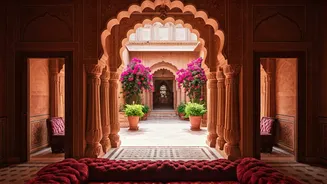
For a glimpse into a more recent royal past, head to the Umaid Bhawan Palace. One of the world's largest private residences, this magnificent Art Deco palace is a triple threat: part is still home to the Jodhpur royal family, part is a lavish luxury hotel managed by Taj Hotels, and a third section is a public museum. The museum offers a fascinating look at the family's history, with vintage cars, clocks, and photographs from the 20th century. While staying here is a serious splurge, visiting the museum and admiring the palace’s grandeur from its gardens is an accessible way to experience the opulence that defines this corner of Rajasthan.
Taste the Flavors of the Desert
Jodhpur’s cuisine is bold, spicy, and perfectly adapted to its arid environment. Don’t leave without trying a *mirchi vada*—a large green chili stuffed with a spiced potato filling, battered, and deep-fried. It’s the city’s quintessential street food snack. For something to cool you down, seek out a *makhaniya lassi*, a rich, creamy yogurt drink often topped with saffron and cardamom that’s thick enough to eat with a spoon. For a full meal, dive into a traditional Rajasthani thali, which will likely include *ker sangri*, a local specialty made from desert beans and berries, and *gatte ki subzi*, chickpea flour dumplings in a tangy yogurt curry.
Master the Art of Summer Pacing
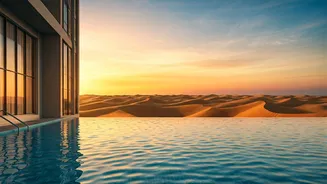
Visiting a desert city in the summer requires a change in mindset and pace. This is the heart of the “alternative” escape. Instead of fighting the heat, you learn to work with it. Locals follow a rhythm dictated by the sun, and you should too. Wake up early for sightseeing when the air is cool and the light is golden. By midday, retreat indoors for a long lunch, a nap, or a dip in a hotel pool. As the sun begins to dip, the city reawakens. The evenings are magical, perfect for exploring the bustling Sardar Market near the Clock Tower, sipping chai on a rooftop cafe, and watching the lights of Mehrangarh Fort twinkle on against the twilight sky. You’ll find fewer crowds than in the peak winter season, making the experience feel more personal and authentic.