


The Rise of the Professional Pack
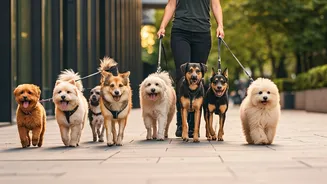
Not long ago, “walking the dog” was a simple, personal chore. Today, for a growing number of urbanites, it’s a professionally managed service. The lone figure with a single leash has given way to a new archetype: the professional pack walker. Armed with a tangle
of leashes, a belt full of treats, and the patience of a saint, these individuals are a walking, barking symbol of a profound shift in our relationship with pets, work, and city life. This isn't just a handful of neighbors helping each other out. It's a booming cottage industry, supercharged by gig-economy apps like Rover and Wag!, but also driven by independent entrepreneurs who build their own client bases and reputations. They aren't just walking dogs; they are curating canine social experiences. For busy professionals working long hours or in hybrid-remote setups, outsourcing the daily walk has become as normal as ordering groceries online. It’s a practical solution to the modern dilemma of wanting the companionship of a pet without having a schedule that accommodates its needs.
More Than Just a Leash
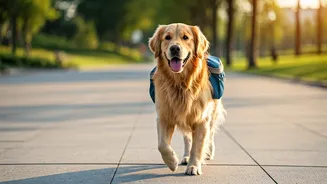
What these services offer goes far beyond a simple bathroom break for the dog. The best pack walkers are part trainer, part animal behaviorist, and part logistics coordinator. They assess canine personalities to create compatible groups, ensuring that a timid beagle isn’t overwhelmed by a trio of boisterous golden retrievers. The walk itself becomes a structured outing focused on socialization and exercise, often lasting an hour or more and covering several miles. For the dogs, it's a chance to fulfill their pack instincts in a controlled environment. For the owners, it provides peace of mind that their pet is not just physically exercised but also mentally stimulated and socially enriched. This professionalization means a higher standard of care. Walkers often provide daily “pupdates” with photos and notes, giving owners a window into their pet’s afternoon adventure. This level of service transforms a simple walk into a premium experience, and people are willing to pay for it. The pet industry has proven itself to be remarkably recession-proof, and the growth of these high-touch services underscores how deeply integrated pets have become into the family structure.
The Sidewalk Becomes an Office
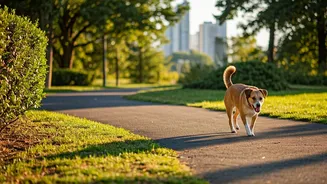
With the rise of the professional pack walker, public spaces are being quietly repurposed. Sidewalks, parks, and urban trails are no longer just for transit and leisure; they are now active workplaces for a growing segment of the gig economy. This has subtle but significant implications for urban life. A pack of six or eight dogs takes up considerable physical and auditory space, changing the calculus of sidewalk navigation for everyone else. For the walkers, the city becomes their office, with its own unique occupational hazards. They must contend with traffic, unpredictable weather, other animals, and a public that isn't always thrilled to share the path with a canine entourage. Their success depends on a deep understanding of urban geography—knowing the location of every water fountain, the timing of school dismissals, and the routes that offer the best mix of stimulation and safety.
Navigating the New Urban Etiquette
Naturally, this trend isn’t without friction. The sudden appearance of a large pack of dogs can be intimidating for pedestrians, especially those with children, strollers, or a fear of dogs. It introduces a new layer of complexity to the unspoken rules of sharing public space. A skilled pack walker knows how to manage this, keeping the dogs in a tight, controlled formation and yielding the right-of-way. An unskilled one can create chaos, leading to tangled leashes, barking matches, and frustrated neighbors. This has sparked conversations in community forums and building management meetings across the country. What are the reasonable limits? Should there be a cap on the number of dogs one person can walk? Who is liable if something goes wrong? There are no easy answers, and for now, the system relies heavily on the professionalism and courtesy of the walkers themselves. It’s a classic urban negotiation, playing out in real-time on our streets, forcing us to collectively define the etiquette for this new reality.