






More Than Just Tofu
For decades, 'vegetarian protein' conjured images of bland tofu blocks or mushy bean burgers. That era is definitively over. The modern plant-based boom is built on a foundation of culinary innovation and food science. Companies are using everything from
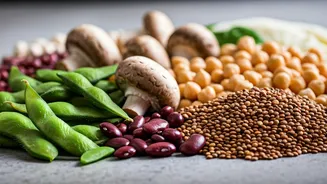
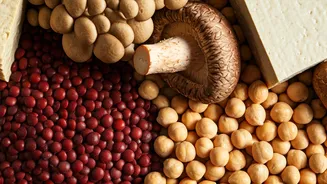
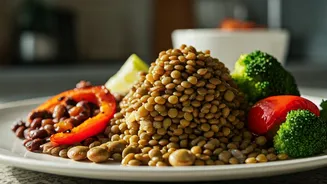
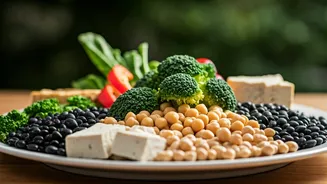
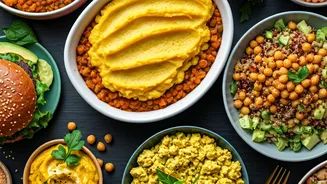
pea protein and soy to fungi and fava beans to create products that mimic the taste and texture of meat with surprising accuracy. Beyond simple imitation, chefs and home cooks are championing whole-food plant proteins. Lentils are the new ground beef in bolognese, jackfruit shreds like pulled pork, and chickpeas form the base for everything from crispy snacks to creamy sauces. This explosion in variety and quality has removed a major barrier to entry for the plant-curious: you no longer have to sacrifice flavor or satisfaction.
The Rise of the 'Flexitarian'
The most significant driver of this trend isn’t a surge in strict vegetarianism or veganism. Instead, it’s the rise of the 'flexitarian'—someone who actively reduces their meat consumption without eliminating it entirely. This massive and growing demographic is the real engine of the plant-based market. These are consumers who might participate in 'Meatless Mondays,' swap chicken for chickpeas in a curry, or choose the Impossible Burger over the beef patty simply to try something new or make a slightly healthier choice. They aren't driven by rigid ideology but by a flexible approach to eating that prioritizes variety, health, and conscious consumption. Food manufacturers and restaurants have taken notice, designing products and menus that appeal directly to this mainstream, meat-reducing customer.
Driven by Health and Wellness
The conversation around health has shifted. While fad diets come and go, the consensus among many nutrition experts is that incorporating more plants into your diet is beneficial. Plant-forward eating patterns are consistently linked with positive health outcomes, including better heart health and a more diverse gut microbiome. Consumers are increasingly aware of this, and many are turning to plant-based proteins to increase their fiber intake, reduce saturated fats, and diversify their nutrient sources. It’s no longer about what you’re cutting out, but what you’re adding in. This wellness-focused mindset frames a vegetarian protein plan not as a restriction, but as a proactive step toward long-term health, making it an attractive proposition for millions of Americans.
The Sustainability Factor
For a growing number of consumers, especially millennials and Gen Z, what’s on their plate is directly connected to the health of the planet. The environmental impact of industrial animal agriculture—from greenhouse gas emissions to land and water usage—is a significant concern. Plant-based proteins offer a compelling alternative with a demonstrably smaller environmental footprint. Choosing a lentil soup over a beef stew or a plant-based sausage over a pork one becomes an accessible, everyday act of environmental stewardship. This values-driven consumption is a powerful motivator, transforming a simple dietary choice into a statement about one's role in a larger global system.
How to Get Started
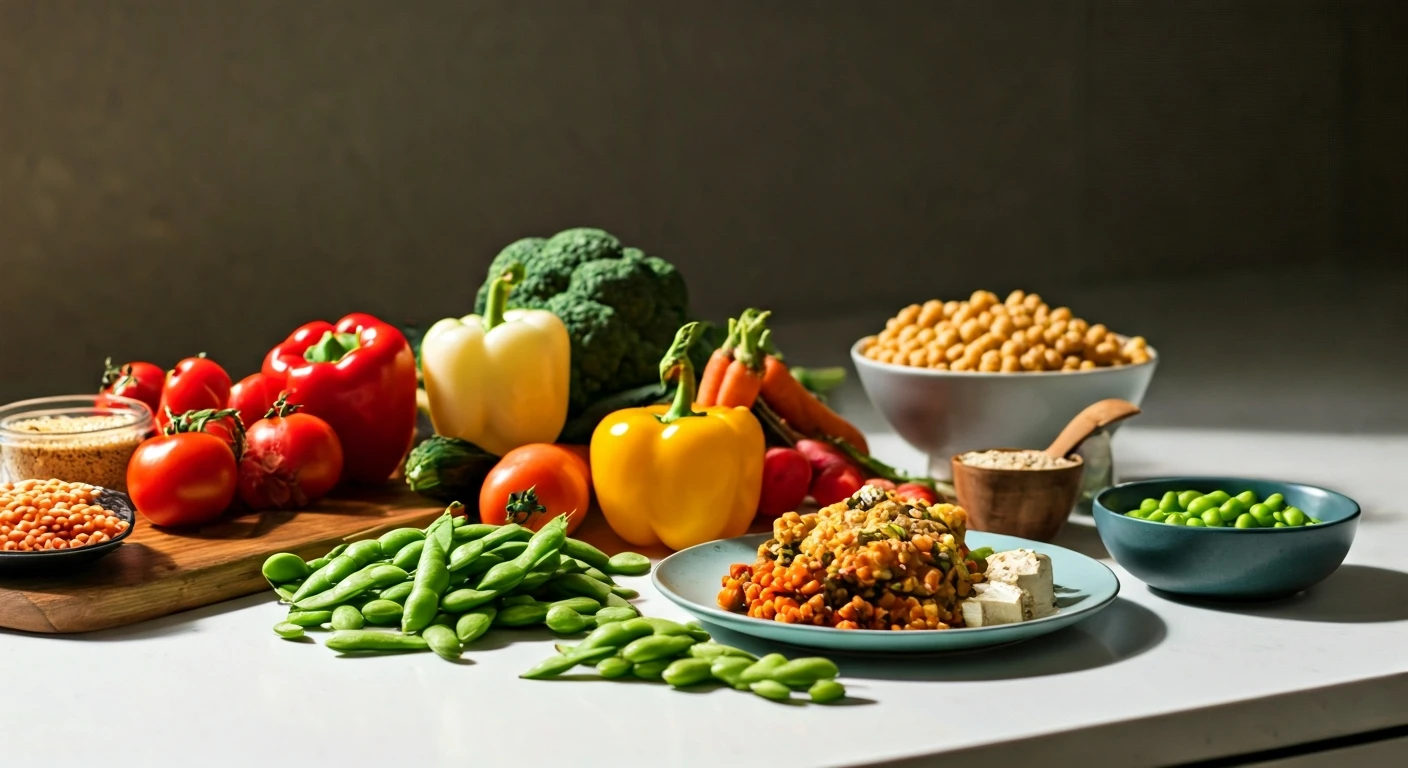
Thinking about incorporating more plant protein? The key is to start small and avoid feeling overwhelmed. You don't need a complete pantry overhaul. Try simple swaps: use lentils or a mix of mushrooms and walnuts in place of ground meat in pasta sauces or tacos. Blend white beans or cashews into soups for a creamy texture without the dairy. Explore the world of legumes—black beans, chickpeas, and kidney beans are inexpensive, versatile, and packed with protein and fiber. Even just adding a can of beans to a salad or a scoop of hemp seeds to your morning oatmeal is a great first step. The goal is progression, not perfection.