


The Rise of Biophilic Design
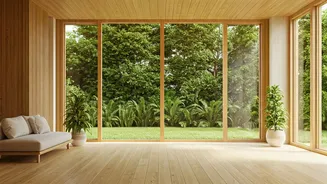
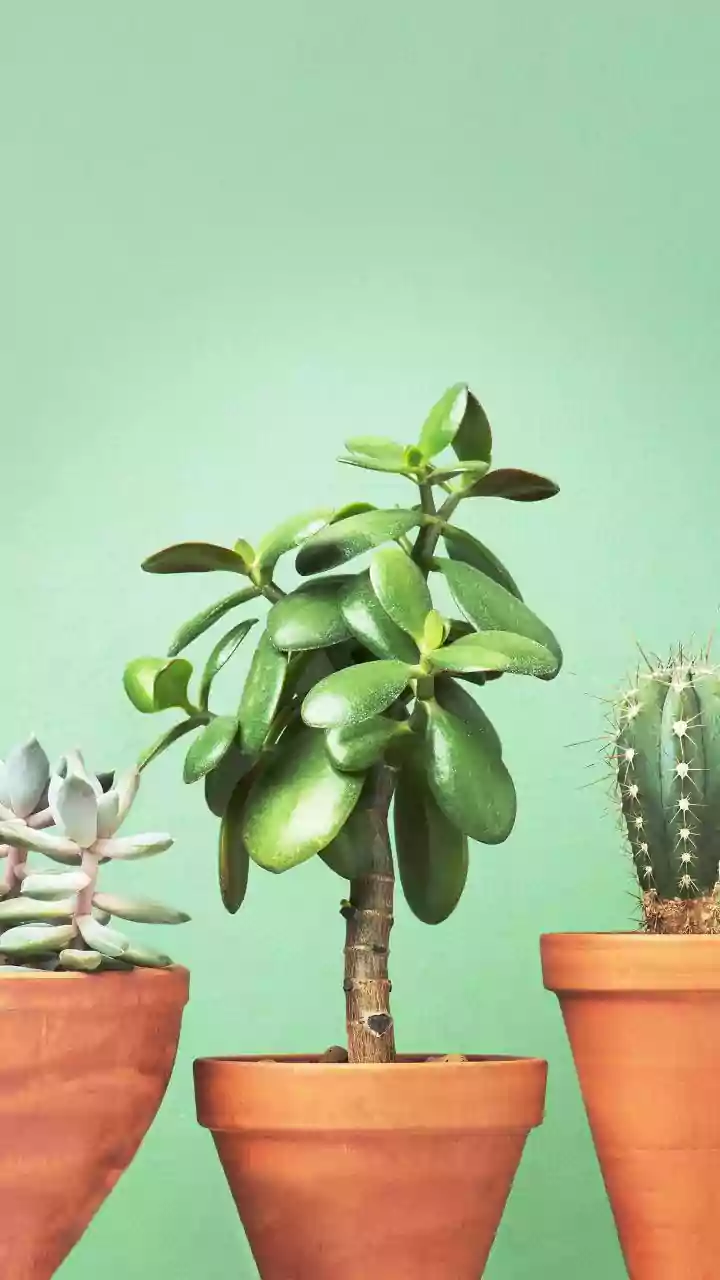
The desire to 'touch grass' is no longer a meme; it’s a design mandate. Biophilic design, an architectural approach that connects building occupants more closely to nature, is at the top of the list. This isn't just about having a few houseplants. Buyers
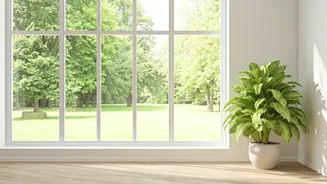
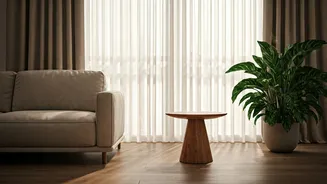
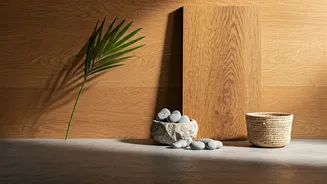
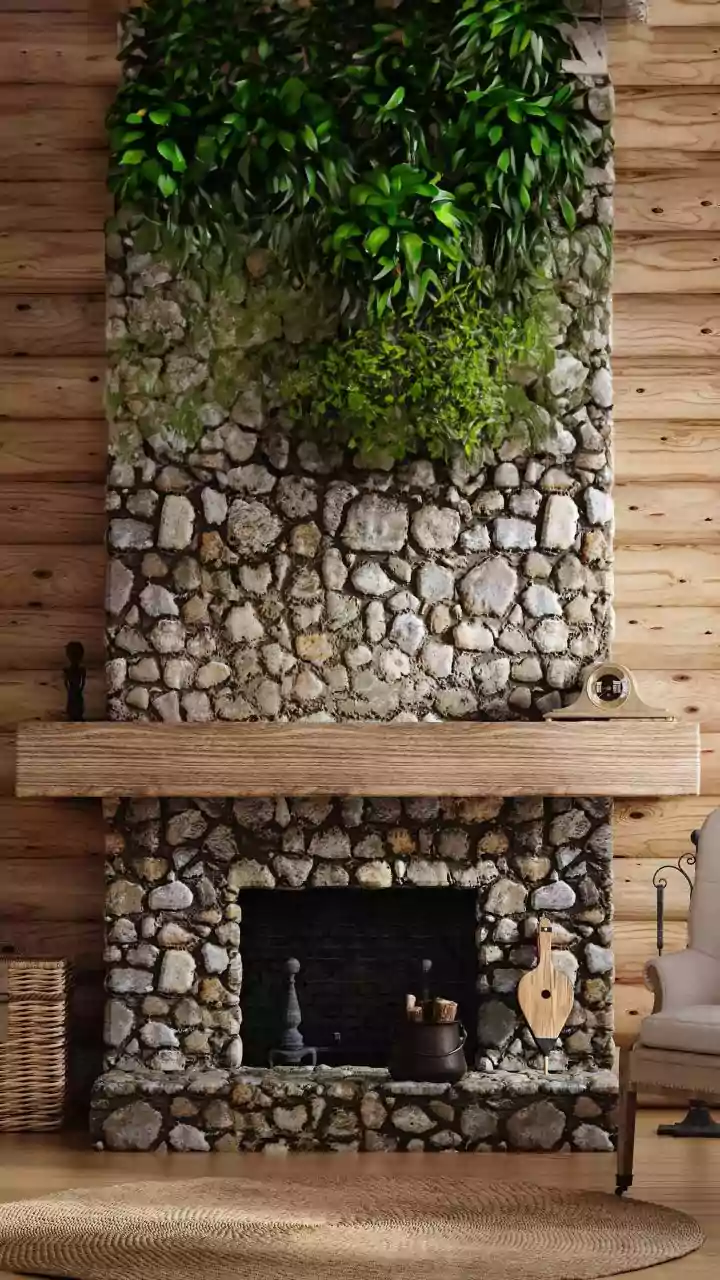
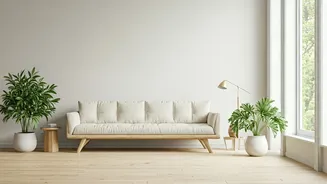
are prioritizing properties with large windows that flood rooms with natural light, seamless indoor-outdoor transitions like sliding glass walls, and the use of natural materials like wood, stone, and slate. A 2023 Zillow report found that mentions of 'natural light' in listings were highly correlated with faster sales. The psychological benefit is clear: studies show that exposure to nature, even just visually, can lower cortisol levels, reduce blood pressure, and improve overall mood. A home that feels integrated with its environment is a home that feels inherently calmer.
Dedicated Decompression Zones
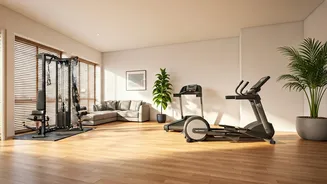
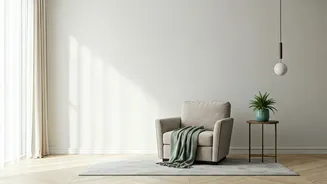
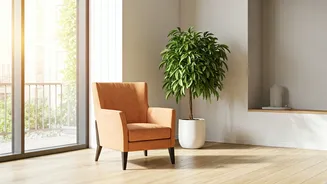
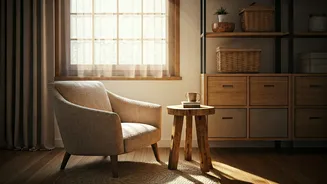
The open-concept floor plan, once the undisputed champion of home design, is now sharing the spotlight with a renewed appreciation for private, single-purpose spaces. The pandemic taught us the value of having a door to close. Today’s buyers are looking for homes with built-in 'decompression zones.' This can be a small reading nook with a comfortable chair, a dedicated room for yoga or meditation, a workshop for a hands-on hobby, or even a sophisticated home gym. The key is separation. These areas provide a psychological cue to switch off from work and daily obligations, offering a designated space to recharge, reflect, and pursue personal interests without interruption. Real estate agents report that a bonus room, once seen as just extra square footage, is now a major selling point when staged as a wellness or hobby space.
A Private Outdoor Sanctuary
A patch of green to call your own has become a non-negotiable for many. The backyard is no longer just a place for the kids to play; it’s an extension of the home's living and relaxation space. Features that create a private, resort-like feel are in high demand. Think well-manicured gardens, patios with comfortable seating and fire pits, outdoor kitchens for tranquil entertaining, and even small water features like fountains that provide soothing background noise. According to data from home improvement trends, spending on outdoor living spaces has skyrocketed. Buyers envision these areas as their personal escape, a place to sip their morning coffee in peace or unwind under the stars, far from the demands of the outside world.
The Luxury of Quiet
In a world saturated with noise, silence has become the ultimate luxury. Homebuyers are increasingly sensitive to auditory disturbances, from traffic and neighbors to the internal hum of appliances. This translates into a search for homes on quieter streets, set back from the road, or buffered by trees and landscaping. Internally, features that promote quiet are gaining traction. This includes better insulation, solid-core doors, and double- or triple-pane windows that dampen outside noise. Some high-end homes are even being designed with acoustic performance in mind, ensuring that a bedroom is a true sanctuary for sleep and a home office is free from the clatter of the kitchen. A home that is audibly peaceful allows the mind to settle, reducing the constant, low-level stress caused by noise pollution.
An Emphasis on Organization and Flow
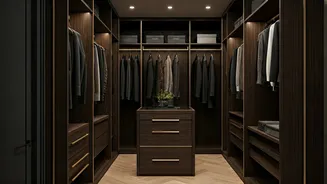
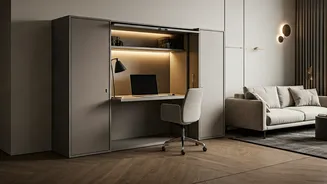
Visual clutter directly contributes to mental clutter. A home that feels chaotic and disorganized can be a source of chronic, low-grade stress. Consequently, buyers are drawn to homes with smart, integrated storage solutions that allow for a minimalist, uncluttered aesthetic. This includes well-designed pantries, walk-in closets with efficient systems, and functional mudrooms that keep the mess of the outside world contained. Beyond storage, the overall flow of a house is critical. A logical layout that makes daily routines feel effortless and intuitive reduces 'decision fatigue' and friction. When you don't have to navigate awkward corners or hunt for your keys every morning, you conserve mental energy for more important things.