



The Green Kitchen Heard 'Round the World
If you want to understand the new boho, you have to start with Dakota Johnson. Her 2020 Architectural Digest home tour became an internet phenomenon, not just for its charmingly awkward moments (the infamous limes), but for the house itself. Nestled in the Hollywood
Hills, the mid-century modern home, originally designed by architect Carl Maston, isn't a sterile celebrity palace. It’s a warm, layered, and deeply personal space that feels both aspirational and attainable. The epicenter of this cultural reset was her kitchen. Painted a rich, dusty shamrock green, it was a bold departure from the all-white kitchens that had dominated design trends for a decade. With its open shelving, vintage-style hardware, and casual stacks of everyday dishes, it felt like a real kitchen—a place where you could actually imagine someone making coffee or storing a bowl of limes they may or may not love. It was the antithesis of the perfectly staged, untouchable interiors we were used to seeing, and it signaled a major shift in what we consider good taste.
What Defines the New Boho?
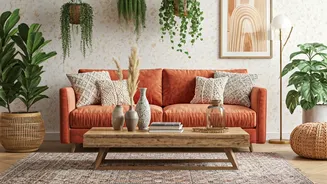
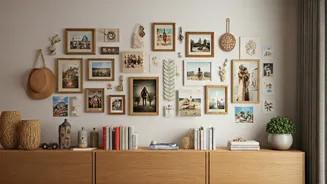
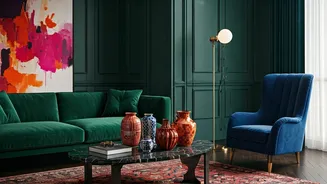
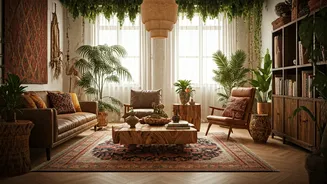
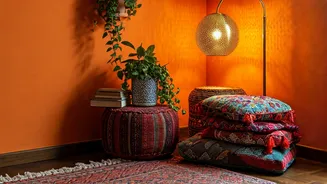
So, what exactly makes this updated bohemian style different? It’s less about a specific set of items and more about a philosophy. Think of it as “collected character” over curated cliché. In Johnson’s home, this manifests as a delightful jumble of personal history and artistic taste. There’s a framed Patti Smith setlist next to a photo of her grandmother, Tippi Hedren. Her office shelves are lined with records, books, and a crystal collection that feels genuinely used, not just purchased for display. This new boho embraces: * **Saturated Color:** Forget beige and blush. We’re talking about deep greens, warm woods, and rich textiles that add depth and personality. * **Meaningful Clutter:** This isn’t minimalism. It’s a curated maximalism where every object seems to have a story, from vintage pottery to stacks of favorite books. * **A Mix of Eras:** Johnson’s home seamlessly blends its mid-century bones with vintage furniture, contemporary art, and timeless textiles. It’s a home built over time, not ordered from a single catalog. * **Comfort and Authenticity:** Above all, the space feels lived-in. Couches are meant for lounging, rugs are soft underfoot, and the lighting is warm and inviting. It’s a home designed for living, not just for looking at.
Moving Past the Instagram Clichés
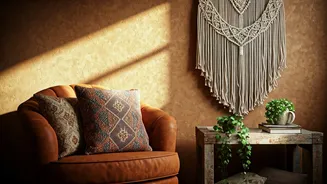
For a while, the mainstream version of boho started to feel generic. Walk into any big-box store, and you could buy a pre-packaged “bohemian” look: a faux-sheepskin throw, a wicker peacock chair, and a machine-loomed tapestry with a mandala on it. The style became so popular that it lost its original spirit of counter-culture, travel, and artistic expression. It became a pastiche of itself, easily replicated and ultimately, a little empty. The Dakota Johnson effect was a welcome correction. Her style reminded us that bohemianism is fundamentally about individuality. It’s not about buying the right five items from Target’s latest collection. It’s about finding a weird piece of art at a flea market, cherishing a hand-me-down piece of furniture, and not being afraid to paint a room a color that simply makes you happy. It rejects the pressure for perfection that social media often creates, celebrating quirks and imperfections instead.
Why This Style Resonates Now
The timing of Johnson's home tour couldn't have been more perfect. It dropped just as the world was heading into a period where our homes became our entire universe. We were suddenly spending more time than ever within our own four walls, and the desire for comfort, personality, and a sense of sanctuary became paramount. The sterile, minimalist look suddenly felt cold and uninviting, while the generic, fast-fashion boho felt inauthentic. Johnson's home offered a third way: a space that is beautiful without being intimidating, personal without being messy, and stylish without being trendy. It speaks to a collective desire to create homes that reflect who we are, not who we think we should be. It’s a style built on soul, not just aesthetics, and that’s a trend with real staying power.