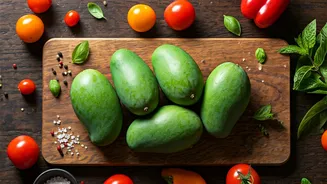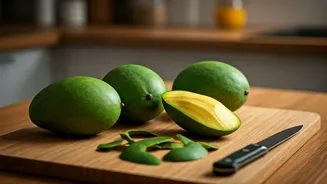




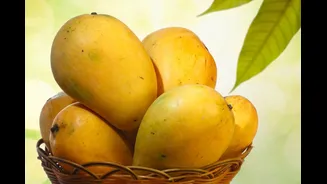
First, What Is a 'Kairi'?
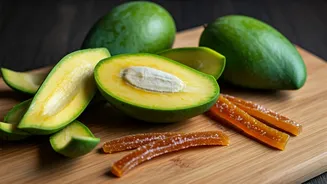
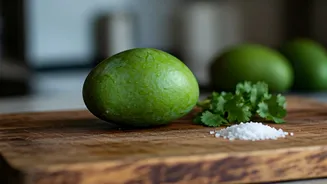
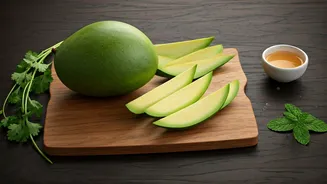
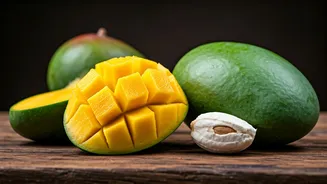
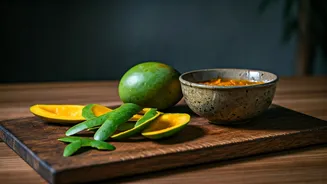
In many parts of South Asia, particularly India, the word 'kairi' refers to a raw, unripe green mango. While a ripe, sweet mango is a juicy summer delight, the kairi is its tart, firm, and intensely flavorful precursor. It’s a seasonal star in its own
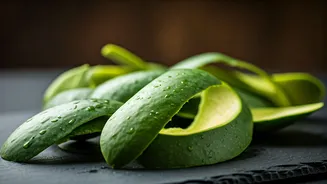
right, used to make pickles (achar), chutneys, and refreshing drinks that cut through the summer heat. Traditionally, the flesh is the main event. But as the push for zero-waste cooking grows, savvy cooks are rediscovering what some cultures have long known: the peels are culinary gold.
The Flavor You're Tossing Out
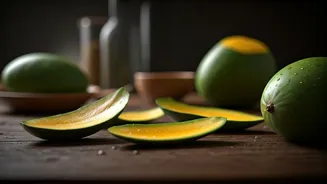
So, what do raw mango peels taste like? Forget the sweet, floral notes of a ripe mango. Kairi peels are bracingly tart, with a pleasant bitterness similar to citrus zest and a uniquely green, resinous aroma. This isn't a flavor you hide; it's one you feature. The sourness comes from citric and malic acids, which act as a natural tenderizer and a bright counterpoint to rich, fatty, or salty foods. Think of it as a supercharged lime zest, but with more earthy complexity. This bold flavor profile makes it an incredible secret weapon in marinades, spice rubs, and finishing salts.
The Ultimate Hack: Kairi Peel Powder
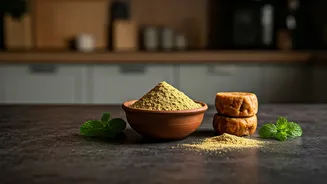
The most versatile way to use these peels is by turning them into a shelf-stable powder. It's surprisingly simple and captures the peel's essence for use year-round. 1. **Wash and Peel:** Start with firm, unblemished organic green mangoes. Because you're using the skin, buying organic is highly recommended to avoid pesticide residue. Wash them thoroughly and peel them with a standard vegetable peeler. 2. **Dry the Peels:** The key is to completely dehydrate the peels. You can do this by laying them in a single layer on a baking sheet and sun-drying them for 2-3 days until they are brittle and snap easily. Alternatively, use a food dehydrator on a low setting, or place them in an oven at its lowest temperature (around 150-170°F) for several hours, checking frequently until they are bone-dry. 3. **Grind to a Powder:** Once the peels are completely dry and cooled, break them into smaller pieces and blitz them in a clean coffee or spice grinder until you have a fine powder. Sift it to remove any larger bits. Store your kairi peel powder in an airtight container in a cool, dark place. Now you have a potent souring agent ready to go. Sprinkle it on grilled fish, whisk it into yogurt for a tangy dip, add it to a chicken marinade, or use it to rim a cocktail glass for a spicy margarita.
More Ways to Use the Peels
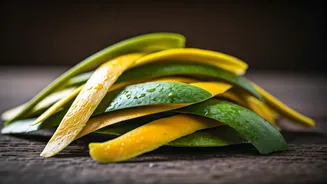
Beyond the powder, there are other fantastic uses for fresh kairi peels. If you’re processing a batch of green mangoes for pickles, don’t discard the skins. Instead, try one of these methods: * **Quick Pickle:** Finely julienne the peels and toss them with salt, a pinch of sugar, red chili powder, and a squeeze of lime juice. Let it sit for an hour for a crunchy, tangy side dish that’s amazing with rice and lentils. * **Infuse an Oil or Vinegar:** Gently warm a neutral oil (like grapeseed) or a white vinegar with a handful of fresh peels for about 10 minutes on low heat. Don't let it boil. Let it cool completely, then strain out the peels. You're left with a beautifully aromatic, tart infusion perfect for salad dressings. * **Flavor Your Water:** Add a few fresh peels to a pitcher of water, just as you would cucumber or lemon slices, for a subtly tart and refreshing drink.
A Note on Sourcing and Prep
Finding kairi, or raw green mangoes, is easiest during late spring and early summer. Look for them at Indian, Southeast Asian, or Latin American grocery stores. They should be firm to the touch, with smooth, bright green skin. Avoid any with soft spots or wrinkled skin. Because the peel is the star, a thorough scrubbing under running water is non-negotiable. If you can’t find organic, be sure to wash them especially well. The slightly waxy, sometimes bitter layer just under the skin is part of the package, contributing to the overall flavor complexity.