

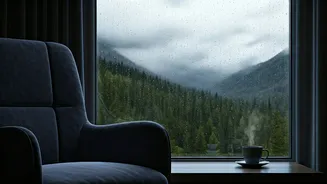




The Appeal of the Off-Season
The core appeal of a rainy-season road trip is simple: you’re zigging while everyone else is zagging. Summer months in popular destinations often mean bumper-to-bumper traffic, crowded national parks, and peak-season pricing for everything from gas to lodging.
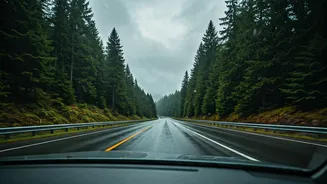
By embracing the shoulder season or the wet season, travelers are discovering a quieter, more affordable, and arguably more authentic version of their destinations. It’s a rebellion against the pressures of “perfect” vacation photos and a move toward genuine experience. Instead of fighting for a parking spot at a scenic overlook, you might have it all to yourself, watching the clouds roll in over the landscape. This philosophy trades the stress of peak-season travel for a more introspective and peaceful journey.
Finding Beauty in the Gloom
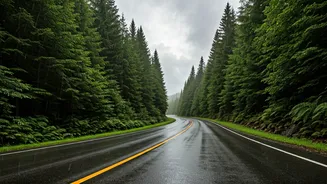
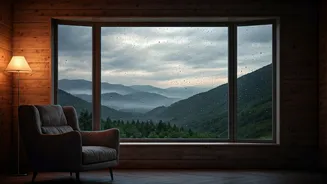
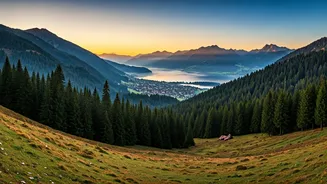
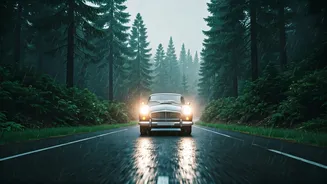
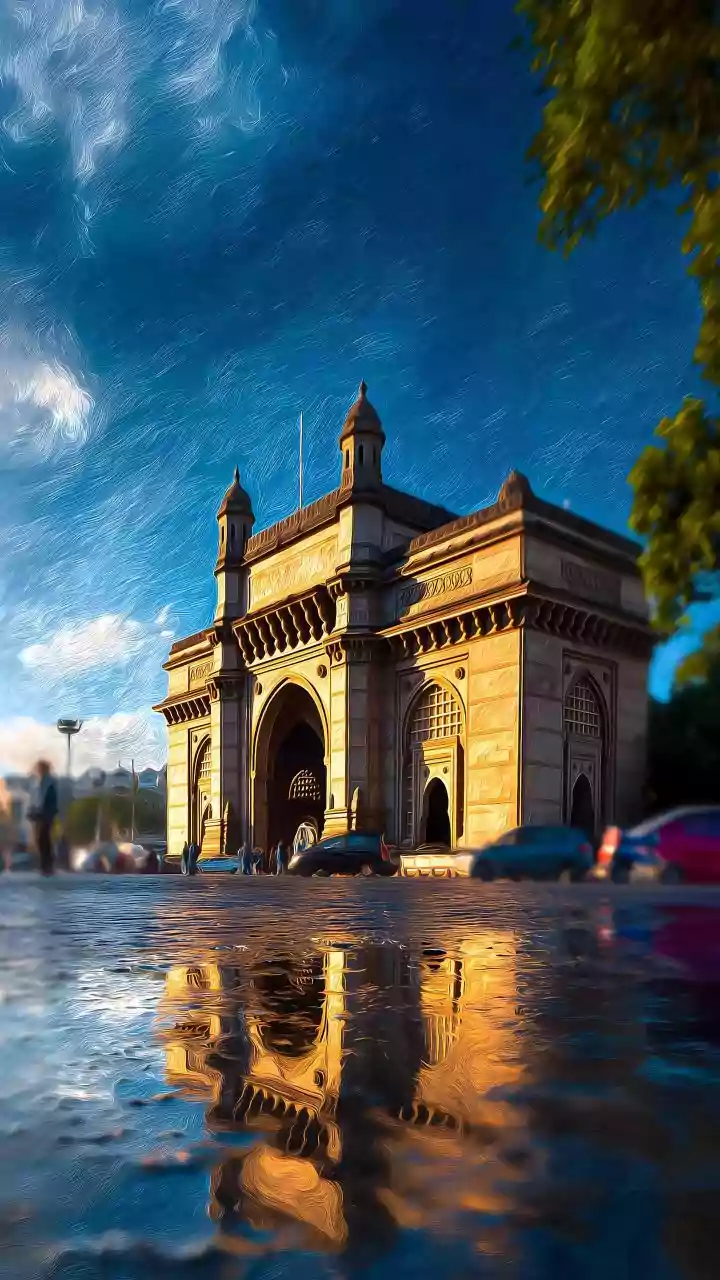
There’s a specific kind of beauty that only reveals itself in the rain. Colors become saturated and deep; the green of a forest seems to glow. The smell of wet earth—petrichor—is a sensory reward. Waterfalls, often just a trickle in the dry season, roar to life. For photographers and artists, the diffused, soft light of an overcast day is far more forgiving and atmospheric than the harsh glare of the midday sun. This “moody” aesthetic has found a significant audience online, where dramatic, atmospheric shots of misty mountains and rain-slicked city streets are a refreshing alternative to endless sunny beach photos. It’s about learning to see the romance in the rain, not as an obstacle to your fun, but as a key ingredient of it.
Destination: The Pacific Northwest
If there's a spiritual home for the rainy road trip, it's the Pacific Northwest. States like Washington and Oregon are famous for their drizzle, but locals know this is when the region's magic truly shines. A drive down Oregon's Highway 101 during the fall or winter offers breathtaking views of dramatic, storm-tossed waves crashing against iconic sea stacks like Haystack Rock. The Hoh Rainforest in Olympic National Park becomes a living cathedral of green, with moss dripping from ancient trees. The entire experience is punctuated by stops in cozy coastal towns for a bowl of world-class clam chowder or a pint of local craft beer by a roaring fire. It’s the perfect place to learn the art of “hygge”—the Danish concept of cozy contentment.
Destination: The Appalachian South
The Blue Ridge Parkway and the Great Smoky Mountains are spectacular in the fall, but they're also incredibly crowded. Consider a trip in the late spring or summer, when afternoon thunderstorms are common. This is when the region’s legendary haze and mist are at their most profound, creating surreal, layered views of the rolling mountains. The rain feeds the area's thousands of waterfalls, turning them into thunderous spectacles. A drive along a less-traveled road in North Carolina or Tennessee after a downpour reveals a landscape that is vibrant, alive, and refreshingly cool. You can spend the rainy parts of the day exploring the charming small towns dotted throughout the mountains, full of craft shops and comforting Southern food.
How to Pack for a Perfect Drizzle
Success on a rainy road trip comes down to preparation and mindset. Your packing list is key. First, forget the cheap poncho and invest in a quality waterproof, breathable jacket. Waterproof boots or shoes are non-negotiable for keeping your feet dry and spirits high during misty hikes. Pack layers of wool or synthetic fabrics that insulate even when damp (cotton is a terrible choice). Beyond clothing, bring a thermos for hot coffee or soup on the go, a few good books or a deck of cards for cozy evenings in, and a portable speaker for setting the mood. Finally, download offline maps and a reliable weather radar app. Knowing what's coming allows you to plan your day, whether it’s a dash to a viewpoint between showers or a full-on museum afternoon.