


Trading Crowds for Atmosphere
Peak tourist season often feels like a global conveyor belt. You’re shuttled from one photo-op to the next, sharing ancient temples and pristine beaches with thousands of other people, all seeking the same Instagram-worthy shot. The experience can feel transactional
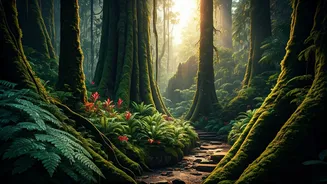
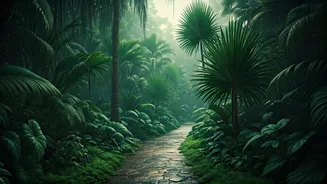
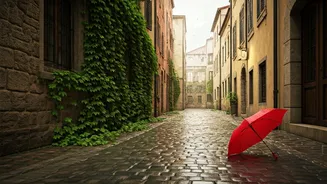
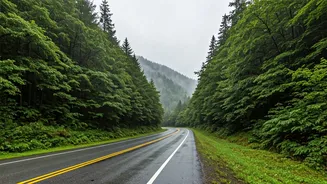
and hollow, a checklist of sights rather than a genuine immersion. Now, picture the alternative. Traveling during the rainy or “green” season—a term many tourism boards now prefer—completely changes the dynamic. In places like Thailand, Costa Rica, or even the American Southwest during its summer monsoon, the drop in visitor numbers is palpable. That iconic waterfall isn't framed by a wall of people; it’s just you, the roar of the water, and the lush, electric-green foliage brought to life by the rains. The quiet streets of a historic town, glistening under a post-shower sky, offer a sense of discovery that’s impossible when you’re navigating a human traffic jam.
The “Green Season” Is a Spectacle
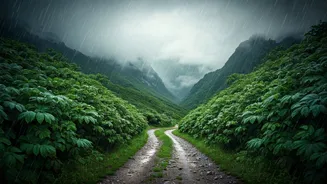
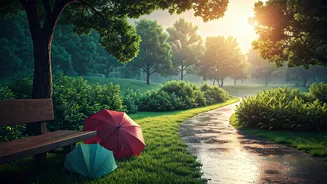
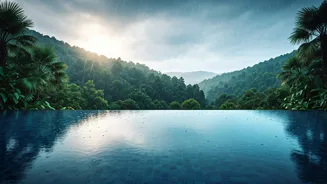
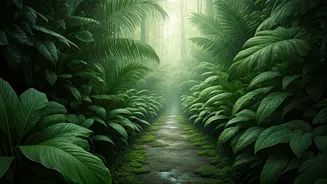
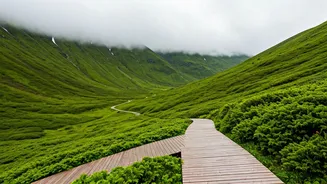
The word “monsoon” often conjures images of relentless, vacation-ruining downpours. The reality is usually far more nuanced and beautiful. In many destinations, the rain arrives in predictable, short-lived bursts, typically in the afternoon. This leaves mornings and evenings clear, cool, and perfect for exploring. The air is cleansed of dust, the temperatures are often more moderate than in the peak dry season, and the landscape undergoes a stunning transformation. Deserts bloom with unexpected wildflowers. Rainforests become even more vibrant, their soundscape buzzing with the calls of frogs and insects. In Southeast Asia, the rice paddies turn a brilliant emerald green, creating terraced vistas of breathtaking beauty. This isn’t the “bad” weather season; it’s the season of life, renewal, and dramatic, cloud-filled skies that make for unforgettable sunsets.
Finding a More Personal Connection
This is where a trip truly transcends from a vacation to an experience. When tourist numbers dwindle, the entire atmosphere of a place shifts. The frantic pace of peak season gives way to a more relaxed, local rhythm. Shopkeepers, tour guides, and restaurateurs aren't overwhelmed. They have time to talk, to share stories, and to offer a glimpse into their daily lives that is often obscured by the high-season rush. You might find yourself sharing a cup of tea with a guesthouse owner while waiting out a brief shower, learning more about their family than any guidebook could tell you. Or you could be the only person on a guided trek, allowing for a personalized tour tailored to your interests. This slower, quieter environment fosters authenticity. The destination is no longer performing for tourists; it’s simply being itself, and you’re invited to be a part of it.
Practical Perks and How to Plan
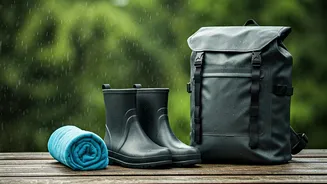
Beyond the atmospheric benefits, there are tangible advantages. Fewer tourists mean lower prices. Flights, accommodations, and even tours are often significantly discounted. You can afford a longer stay or a more luxurious hotel for the same budget. To make the most of it, a little planning goes a long way. Pack for the weather: lightweight, quick-drying clothes, a reliable rain jacket, and waterproof bags for electronics are essential. Embrace flexibility; a sudden downpour might shift your plans from a hike to a cozy afternoon in a café or a museum, leading to unexpected discoveries. Research specific regional patterns—some areas experience all-day rain, while others have predictable afternoon showers. Finally, adopt the right mindset. Don't see the rain as an inconvenience; see it as part of the adventure. It's the very thing that makes the landscape lush and your experience unique.