







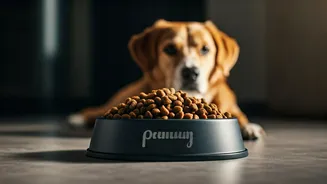
From Kitchen Scraps to Custom Kibble
For generations, the concept of dedicated “pet food” in many Indian households was a foreign one. Dogs and cats were often fed a diet of table scraps, milk, and roti (a traditional flatbread). While born of affection, this approach lacked the tailored
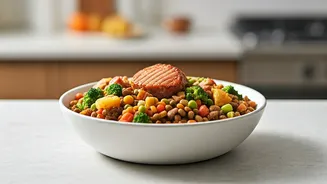
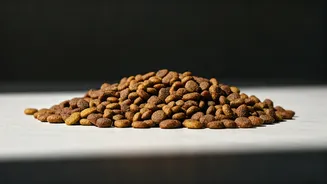
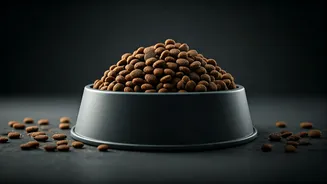
nutritional science that modern pets require. Today, that paradigm is rapidly changing. The aisle once dominated by a few legacy brands of dry kibble is now exploding with options that would look familiar to any American pet owner: grain-free formulas, breed-specific diets, and wet foods with identifiable chunks of meat and vegetables. This isn't just about new products; it's a fundamental shift in the perception of a pet's place in the home—from a simple domestic animal to a cherished family member deserving of specialized care.
The New Indian 'Pet Parent'
This transformation is being driven by powerful demographic and economic forces. At the forefront are India’s urban millennials and Gen Z. As more young professionals move to cities, live in smaller, nuclear families, and delay or forgo having children, pets are increasingly filling a central emotional role. This “humanization” of pets, a trend long established in the West, has found fertile ground in urban India. Rising disposable incomes give this new generation of “pet parents” the financial means to invest in their animal’s well-being. The COVID-19 pandemic acted as a major accelerant, with a surge in pet adoptions for companionship during lockdowns. These new owners, often digitally native and well-researched, began demanding a higher standard of care, starting with what goes into the food bowl.
Inside the New Indian Pet Pantry
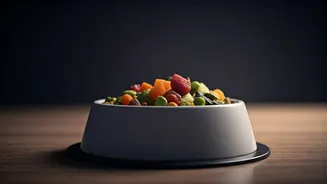
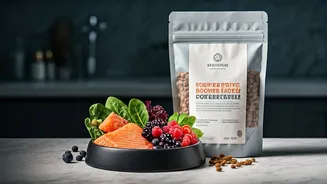
So what does “detailed nutrition” actually look like in India? It’s a market that’s both mirroring global trends and innovating with a local twist. Startups are emerging to offer fresh, human-grade meals delivered via subscription, essentially a “Blue Apron for dogs” tailored to the Indian market. These services often provide customized meal plans based on a pet's age, breed, weight, and activity level. Beyond fresh food, there’s a growing demand for products addressing specific health concerns. You can now find supplements for joint health, shinier coats, and better digestion. In a uniquely Indian adaptation, some brands are incorporating principles of Ayurveda, using traditional ingredients like turmeric, ashwagandha, and moringa in pet treats and supplements, marketing them as natural wellness boosters. This blend of global science and local tradition is creating a dynamic and competitive landscape.
A Global Trend with a Local Flavor
For an American observer, the parallels are striking. The language of “wellness,” “natural ingredients,” and “species-appropriate diets” is the same vocabulary that has dominated the U.S. pet food industry for the last decade. The Indian market, while still much smaller than its American counterpart, is following a similar trajectory of premiumization. However, it’s not just a carbon copy. The emphasis on locally sourced ingredients and the integration of traditional wellness concepts like Ayurveda show a market that is adapting global trends to fit local culture and consumer preferences. This demonstrates how the deep, emotional bond between humans and their pets is a universal force, but the way it is expressed in the marketplace is shaped by a country's unique economic and cultural context.