


1. The Power of Pulses (Dal and Chana)
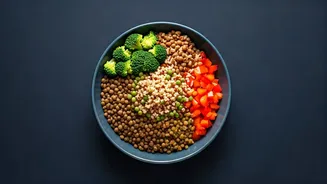
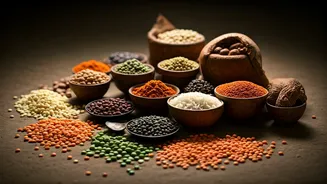
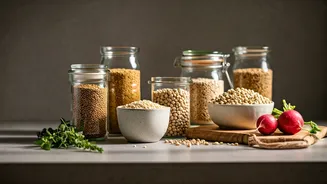
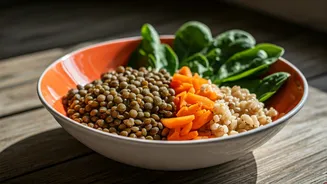
At the heart of Indian cuisine are pulses—lentils, beans, and chickpeas. Dishes like dal (lentil soup) and chana masala (chickpea curry) are daily staples for millions, and for good reason. A single cup of cooked lentils packs around 16 grams of fiber,
more than half the recommended daily intake for many adults. This isn't just any fiber; it’s a mix of soluble fiber, which helps manage cholesterol and blood sugar, and insoluble fiber, which promotes digestive regularity. Unlike many Western comfort foods that can be heavy and fatty, a bowl of dal is deeply satisfying, protein-rich, and incredibly beneficial for your gut microbiome. It’s the ultimate nutritional workhorse, disguised as delicious comfort food.
2. Whole Grains Beyond the Hype
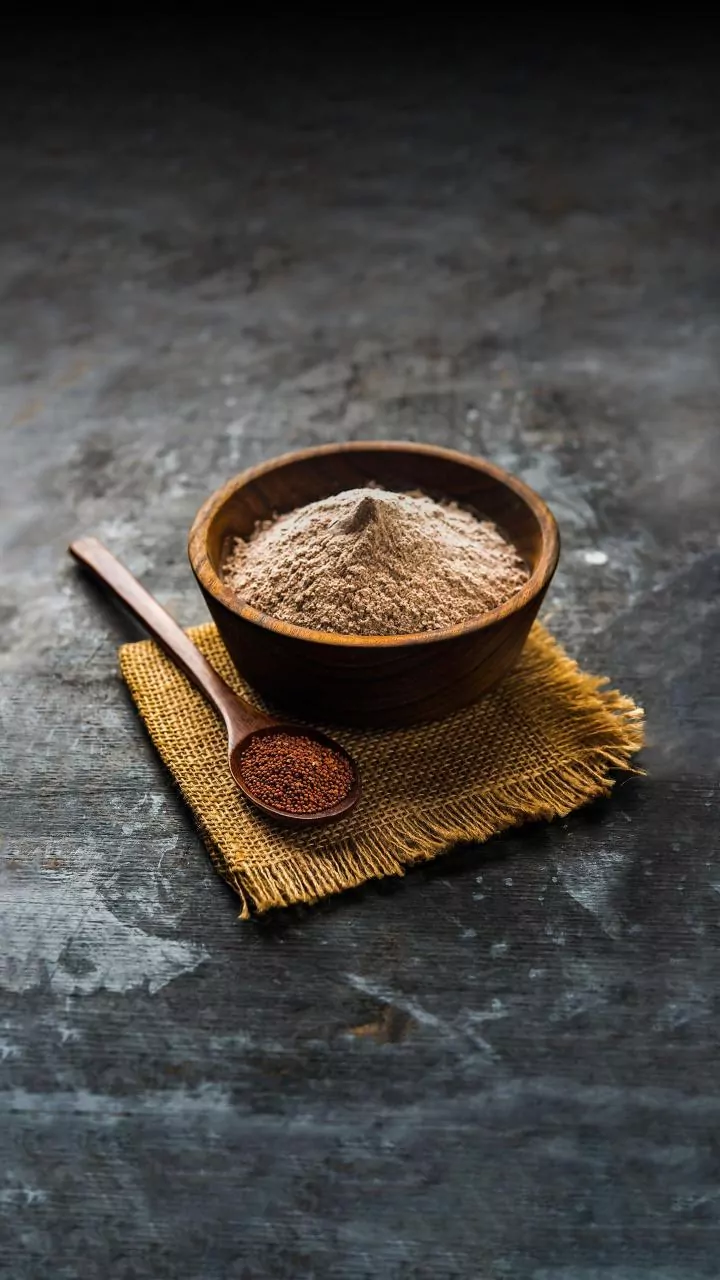
Long before quinoa became a pantry staple in the U.S., Indian households were relying on a diverse array of whole grains. While naan is popular in restaurants, the everyday bread in many Indian homes is roti (or chapati), a simple flatbread made from whole wheat flour (atta). It’s a perfect vehicle for scooping up curries and vegetables while adding a substantial fiber boost. But it doesn't stop there. Ancient grains like millet (bajra) and sorghum (jowar) are making a comeback. These naturally gluten-free grains are resilient, sustainable, and nutritionally dense, offering complex carbohydrates and significant fiber that provide sustained energy without the crash associated with refined flours.
3. Vegetables as the Main Event
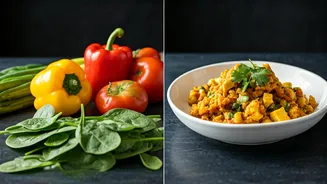
In much of Western cooking, vegetables are relegated to a side dish. In Indian cuisine, they are frequently the star. A 'sabzi' is a generic term for a cooked vegetable dish, but the variety is endless. From Aloo Gobi (potato and cauliflower) spiced with turmeric and cumin to Baingan Bharta (smoky roasted eggplant), these dishes transform humble produce into culinary masterpieces. The techniques—sautéing with spices (tadka), slow-cooking, or quick stir-frying—enhance flavor without relying on heavy creams or cheeses. This vegetable-forward approach means meals are naturally lower in calories and higher in fiber, vitamins, and minerals. It’s a way of eating that makes meeting your “five a day” an effortless pleasure.
4. Fermented Foods for Gut Health
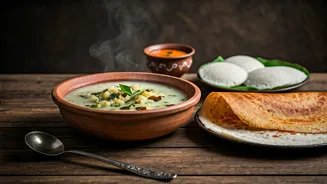
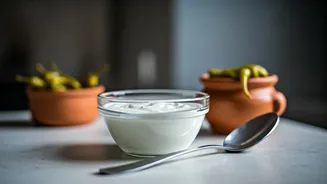
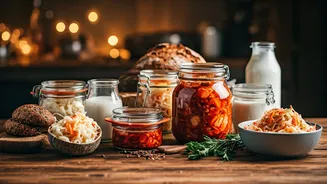
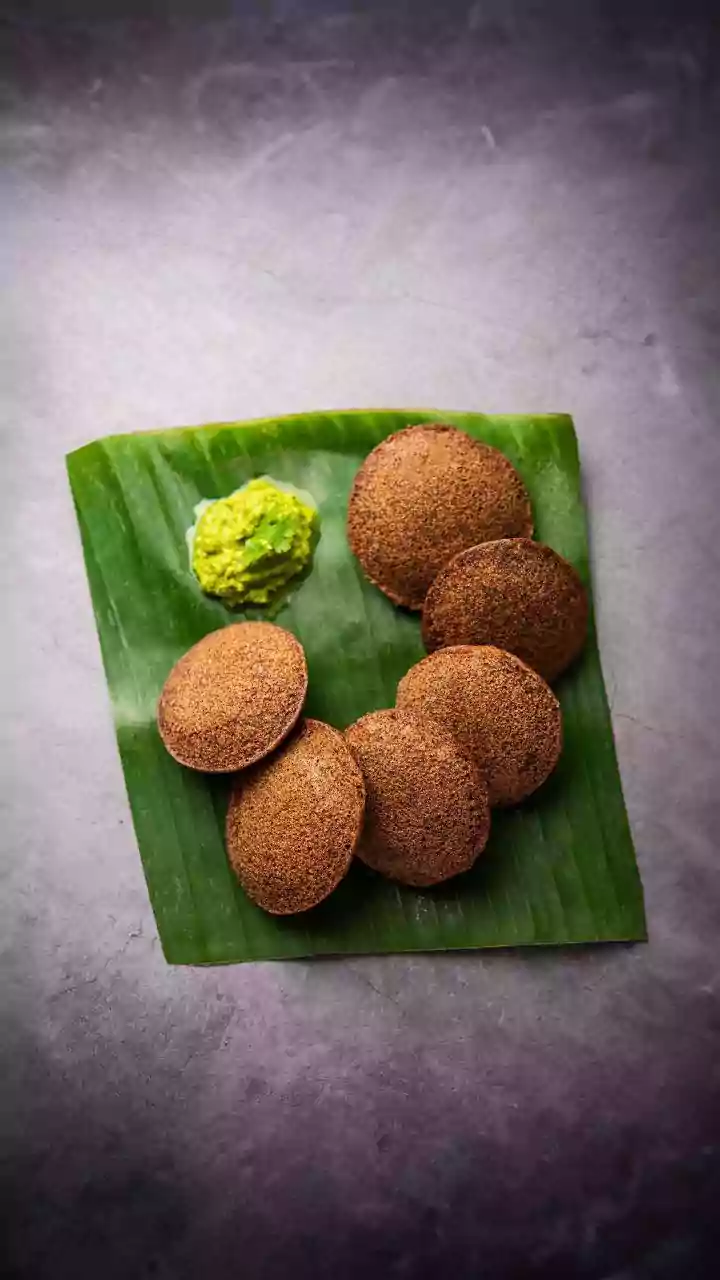
The wellness world is buzzing about fermented foods, but South Indian cuisine has been perfecting them for centuries. Idli (steamed rice and lentil cakes) and dosa (a crispy rice and lentil crepe) are prime examples. The batter is made from a blend of rice and urad dal that is left to ferment overnight. This natural process not only creates the light, airy texture of idli and the tangy flavor of dosa but also increases the bioavailability of nutrients. Fermentation breaks down starches, making them easier to digest, and creates beneficial probiotics that support a healthy gut. It’s a delicious, low-fat, and easily digestible breakfast or light meal that’s been fueling people long before kombucha hit the scene.
5. Spices That Do More Than Flavor
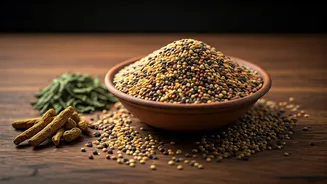
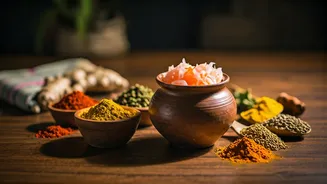
You can’t talk about Indian food without talking about spices, but their role goes far beyond taste. Many common Indian spices have powerful anti-inflammatory and digestive properties. Turmeric, with its active compound curcumin, is a well-known anti-inflammatory powerhouse. Cumin, coriander, and fennel seeds are traditionally used to aid digestion and prevent bloating. Ginger is a classic remedy for nausea. When these spices are combined in a dish, they create a synergistic effect, not only making the food aromatic and delicious but also helping your body process the meal more efficiently. This thoughtful use of spices is a key reason why these fiber-rich meals feel so nourishing and easy on the system.